
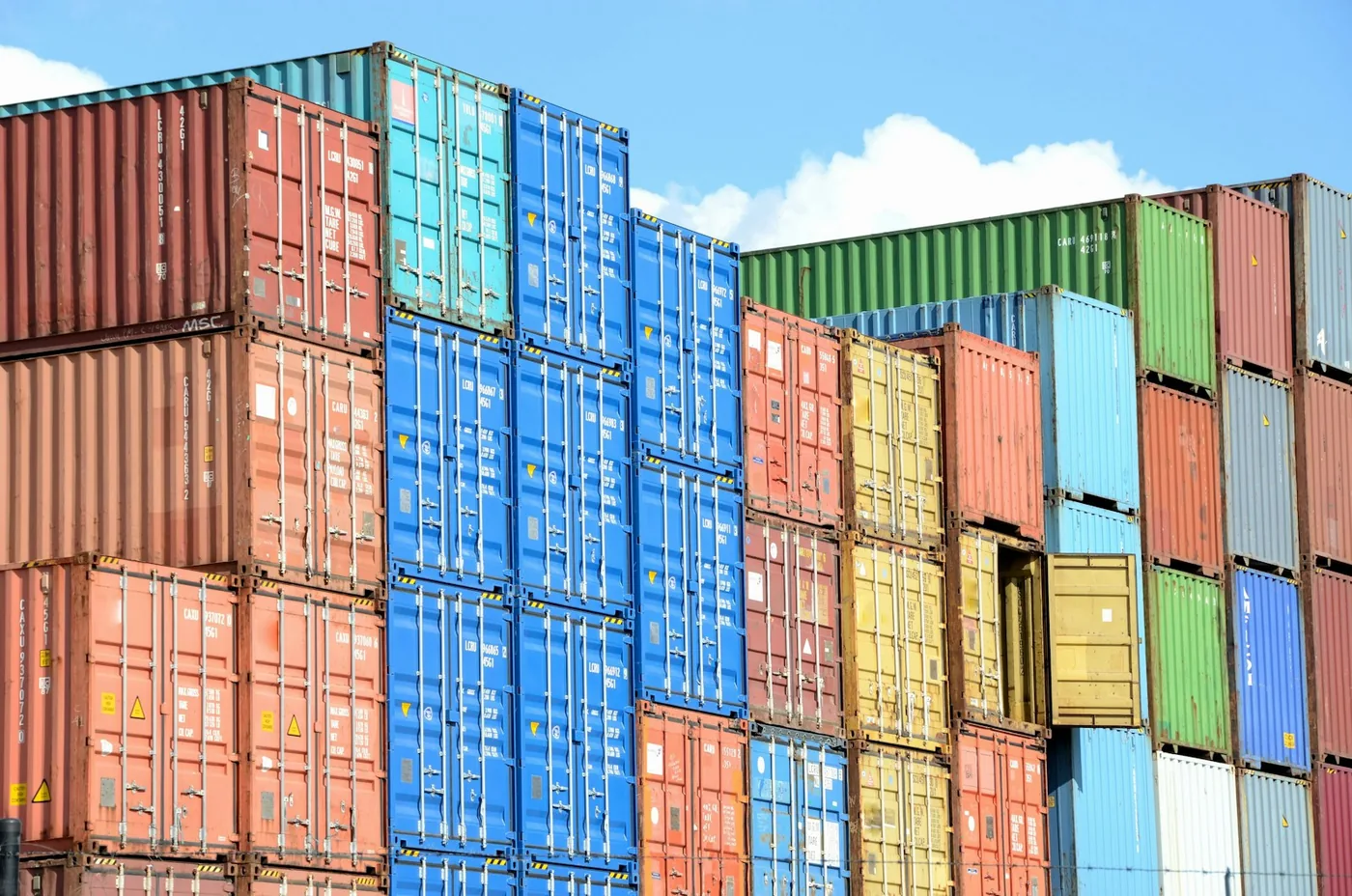
Whether a load leaves in a 20ft or 40ft motorcycle container is a trade of space against weight, and it has to be settled before anything can be costed. Complete machines go out by the box, one container minimum, so the size is the first thing we talk about.
Why we will not tell you how many motorcycles fit
Every page that ranks for this question gives a number, and the numbers do not agree with each other. Published examples run from half a dozen machines in a twenty-foot box to figures several times that, and one exporter’s documented forty-foot load carried fewer machines than one of its own twenty-foot loads. Those are not sloppy sources contradicting a true answer. They are the answer.
The count is a property of the machines and the loading method, not of the container. A load of small-wheel 4Mini machines and a load of full-size sports models behave completely differently in the same steel box, and crated, uncrated, tilted and interlocked loads differ again by multiples. Anyone quoting one figure for all of them is quoting it for somebody else’s cargo.
So we do not publish a figure, and you should be wary of one that is published without a model list attached. Send the list and we will work out what it takes to move it; that is the whole service described on the container export hub.
A 20ft or 40ft motorcycle container has two limits, and they pull in different directions
A dry container is limited twice over: by the cubic space inside it and by the weight it is permitted to carry. Most people assume both double when the box doubles in length. Only one of them does.
The Transport Information Service of the German Insurance Association publishes both sizes side by side in its reference on standard containers, and notes that its data was taken from Hapag-Lloyd. On those figures a standard twenty-foot box gives about 33.2 cubic metres against roughly 67.7 for the forty-foot, so the space does very nearly double. The maximum payload goes the other way: 28,230 kg for the twenty-foot and 26,700 kg for the forty-foot, because the larger box weighs more empty.
Treat those as illustrative of the relationship between the sizes rather than as a specification. Internal dimensions, tare and payload vary between container owners, builds and types, and they are one carrier’s figures for one construction of container, not ours and not a description of any particular box.
Machines are bulky and light, parts are dense and heavy
A container filled with nothing but complete machines runs out of floor and headroom a long way before it runs out of permitted weight. That is why the doubled cubic capacity is the figure that matters for a machines-only load and the payload ceiling barely comes into it.
It also points the decision at your market rather than at the freight. The question is not how much the box will hold; it is how many machines you can sell before the next consignment, and whether you would rather commit to a smaller stock holding twice or a larger one once.
Boxes of parts change that arithmetic completely. Engine components, wheels and packaged accessories put weight into a load far faster than they use up space, and a load heavy enough in parts can meet the payload limit with room still visible inside.
That is the one case where the larger box’s lower payload ceiling becomes a live constraint rather than a curiosity. How a mixed load is built, weighed and manifested is a subject of its own, set out under parts and machines in one container.
Which size, and what that choice commits you to
The table below is a decision aid, not a capacity chart. Find the row that describes your situation and read across to what the choice ties you into.
| If this is your situation | Which size usually follows | What it commits you to | What we need from you |
|---|---|---|---|
| First order, testing a model in your market | The smaller box | A smaller outlay and a smaller stock holding, with each machine carrying a larger share of the shipment | Models and quantities |
| Repeat order, models you already sell | The larger box | More machines moving as one consignment, and one set of arrival formalities instead of two | Models and quantities, plus your previous order for reference |
| Machines only, nothing else in the load | Space decides it, not weight | The box fills before it gets heavy, so the machines’ own bulk is the variable | The model list |
| Machines and boxes of parts together | Weight becomes the live limit | The heavier the parts content, the sooner the payload ceiling arrives | The parts list as well as the model list |
| Your own port or yard cannot take the larger box | The smaller box | A constraint at your end that we simply work to | Tell us before we quote |
| You want less than a full load of machines | Neither | Complete motorcycles are container-only, minimum one container | Parts alone go by post or courier instead |
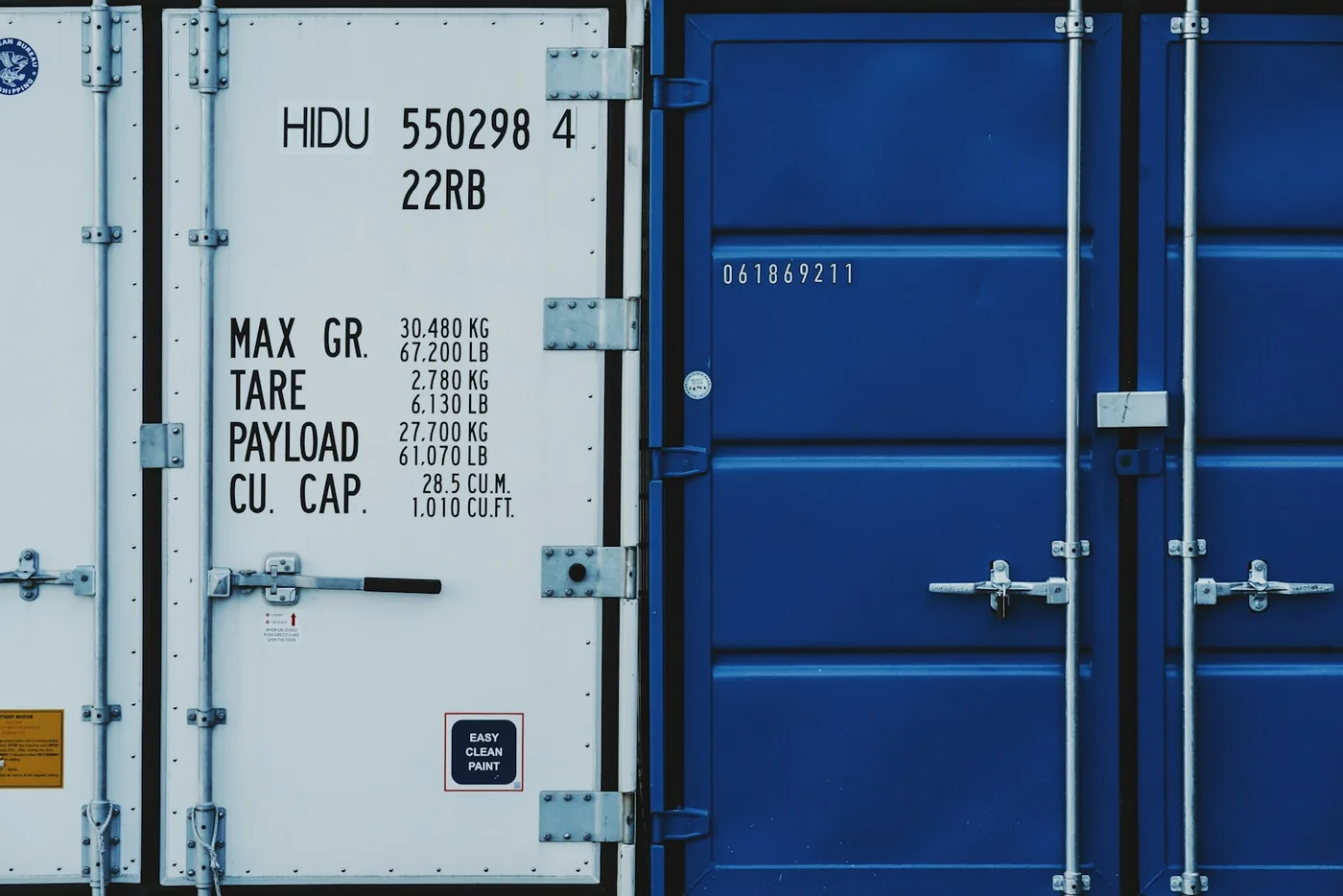
The box itself is a numbered, registered unit
Buyers taking a whole container for the first time often ask what they are actually getting for the money, given that the box is not theirs to keep. The answer is a specific, identified unit rather than a generic steel shell. Containers carry an owner code from an international register, and the Bureau International des Containers, publisher of the BIC Code register, was appointed by ISO in 1972 as the industry’s global container prefix registry, a role also endorsed by international customs conventions.
Part of that identification scheme is a check digit, which exists so that an owner code and serial number can be validated as correctly transmitted rather than merely copied. That number is what follows the consignment through the documents on both sides, and it is what lets a buyer refer to their shipment precisely.
Questions we get about container size
Is the larger box better value per machine?
That is a rate question rather than a size question, and rates move, so no honest evergreen answer exists. What we can say is that the assumption behind it — that twice the box carries twice as much — is not reliable, since the payload ceiling does not scale with the length. Give us the list and we will cost both sizes against it.
Can I take half a container?
Not for complete motorcycles. One container is the minimum for machines and there is no part-load option, because the box is packed with our own goods rather than consolidated with strangers’ cargo. Parts and accessories carry no such rule and travel in any quantity, as the parts and accessories section explains.
Where is the box packed, and where does it sail from?
Loading, the port of departure and the point where our responsibility ends are dealt with on the route page, container shipping from Thailand. This page is only about which size to take.
Let us size the box for your list
Give us the models with a count beside each line, the port where the box is to be discharged, and the parts list too if packaged parts are travelling alongside the machines. With those in front of us the size stops being a guess and becomes a calculation on real goods.
The container enquiry form preselects container shipping and takes all of it in one message. If you are still weighing up quantities, send the shortlist as it stands and say which lines are firm.