
Motorcycle parts EMS shipping is how the majority of our orders leave the country, and it is the default for good reasons that nobody writes down. This page explains what the service is, where it stops being the right choice, and how it compares with every other method we despatch by.
What EMS is, and who actually runs it
EMS stands for Express Mail Service. It is not a courier product; it is an express service operated by the national post office of the sending country and handed to the national post office of the receiving country for delivery. That distinction governs almost everything else on this page.
It also means that EMS from Thailand and EMS from Japan are two different operators’ services trading under one name. Thailand Post runs EMS World from Bangkok. Japan Post runs its own EMS from the Japanese end, with its own destination list and its own terms. We use both, because we source in Japan as well as in Thailand and despatch from wherever the goods actually are.
Why motorcycle parts EMS shipping suits a box of parts
Postage is charged on what the scale says
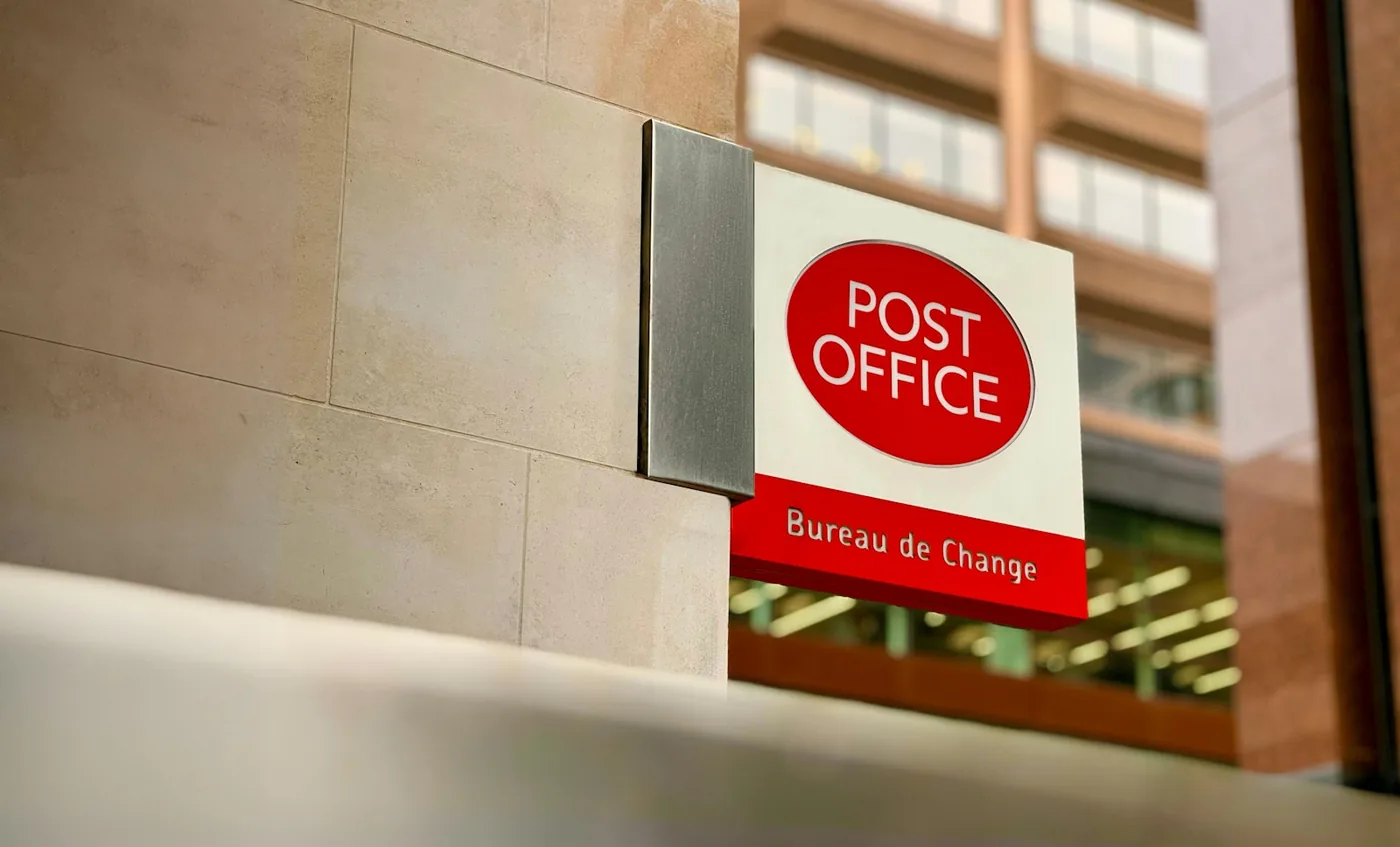
Thailand Post states that postage for EMS World is calculated by actual gross weight only, and that no dimensional weight charge is applied to the service. For most goods that is a footnote. For motorcycle parts it is the whole argument, because so much of what we send is light and awkwardly shaped.
Panels, seat units, mudguards, headlight shells and silencers occupy far more space than they weigh. Sent by a service that prices volume, they cost a multiple of what the scale suggests. Sent by EMS, they do not.
Where it stops
The postal cap is thirty kilogrammes for merchandise. Beyond that the parcel stops being a parcel and becomes air cargo or freight, which is a different quotation with a different set of documents. Where you need door delivery, a signature from a named person and a broker on the telephone, the case for a courier is set out in our guide to shipping motorcycle parts by DHL.
Postal and freight options for a parcel leaving Thailand
Six methods are available to us, and the enquiry decides which one we price. Speeds are not in this table on purpose: the two timings we state as ours are EMS at four to seven days and postal air parcel at about two weeks, and everything else is quoted per consignment.
| Method | Cost calculated on | Weight cap | Typical use for parts |
|---|---|---|---|
| EMS World (Thailand Post) | Actual gross weight, no dimensional charge | Thirty kilogrammes | The default for a dense, moderately valued parcel |
| International parcel, air | Actual weight | Thirty kilogrammes | Larger boxes where cost matters more than speed |
| International parcel, surface | Actual or volumetric weight, whichever is higher | Thirty kilogrammes | Heavy, unhurried orders, and the only postal route for non-hazardous liquids or batteries |
| Courier (DHL or TNT) | Actual or volumetric weight, whichever is higher | Higher, by arrangement | Urgent, high-value, or where a broker and a signature are wanted |
| Air cargo | Chargeable weight, airport to airport | No practical cap | Orders too bulky for a parcel; you clear it at the airport |
| Sea freight | Volume | No practical cap | Complete motorcycles and very large orders |
Container work is quoted separately through our motorcycle export service, which has its own minimum and its own paperwork.
What cannot travel by EMS, and what happens instead
Two categories catch parts buyers out. The first is anything the airline will not carry: batteries, and non-hazardous liquids such as fork oil or brake fluid, which Thailand Post allows on the surface parcel service rather than on EMS. That changes the method, and therefore the timescale, before anyone discusses price.
The second is subtler and almost nobody knows it. Thailand Post’s own terms for EMS World list all types of machines and mechanical parts among the articles the sender must take to the packaging counter for advice before posting. A motorcycle component is a flagged commodity in the postal system, not an ordinary parcel.
In practice that is an argument for letting a shop that does this daily do the packing. We have been posting parts out of Ladprao since 2002, and the counter conversation is one we have already had several thousand times.

The declaration, the compensation limit and your end of the journey
The CN23 is the document that decides your customs experience
Every merchandise item carries a CN23 customs declaration. Thailand Post requires it in capital English letters and Arabic numerals, and requires dutiable commercial goods to be marked as merchandise. The description and the declared value written there are what your own customs authority reads.
Import duty and tax are yours, assessed at your end on that declared value. We cannot pay them, predict them or discount them, and rates differ by country and by commodity. A telephone call to your national customs office before a large order is worth the ten minutes.

Compensation is capped, and the cap is lower than people assume
Postal services carry an indemnity rather than commercial insurance. For EMS merchandise, Thailand Post publishes a compensation ceiling per item, and it is modest against the value of a set of wheels or a titanium silencer. The international parcel service can instead be insured to a far higher limit, which is occasionally the better trade for a valuable order.
Read the returns position before you commit rather than after. Once an order has shipped we cannot take it back except for a manufacturer’s fault, and parts cannot be returned to Thailand at all. That is set out in full in the order policy.
Frequently asked questions
Does EMS reach every country?
No. Postal coverage is country by country and it changes, sometimes at short notice, and some destinations are suspended for periods. Tell us the destination in your enquiry and we will price what is actually running to it rather than what is meant to be.
How long does EMS take?
We state four to seven days for EMS and about two weeks for postal air parcel, and those are the only timings we publish. Thailand Post separately publishes its own regional delivery standards, which differ by continent. Neither figure is a guarantee, and customs at your end can add to both.
Can I combine several parts into one parcel?
Yes, and you usually should. Postage has a fixed component, so one box of six parts almost always beats six boxes of one. Send the whole list in a single enquiry and we will quote it as one consignment.
Asking us to price the postage
Tell us what you want, how many, and the destination country and postcode. Prices are quoted in Thai Baht on a CIF basis, which means the goods plus carriage to you, so the destination is part of the parts enquiry rather than a detail for later. Say whether speed or cost matters more, because that is what decides the method.
Send it through the quote request form. If you are not yet sure what to include, our note on making a parts enquiry lists it, and the model index shows the machines we cover.