
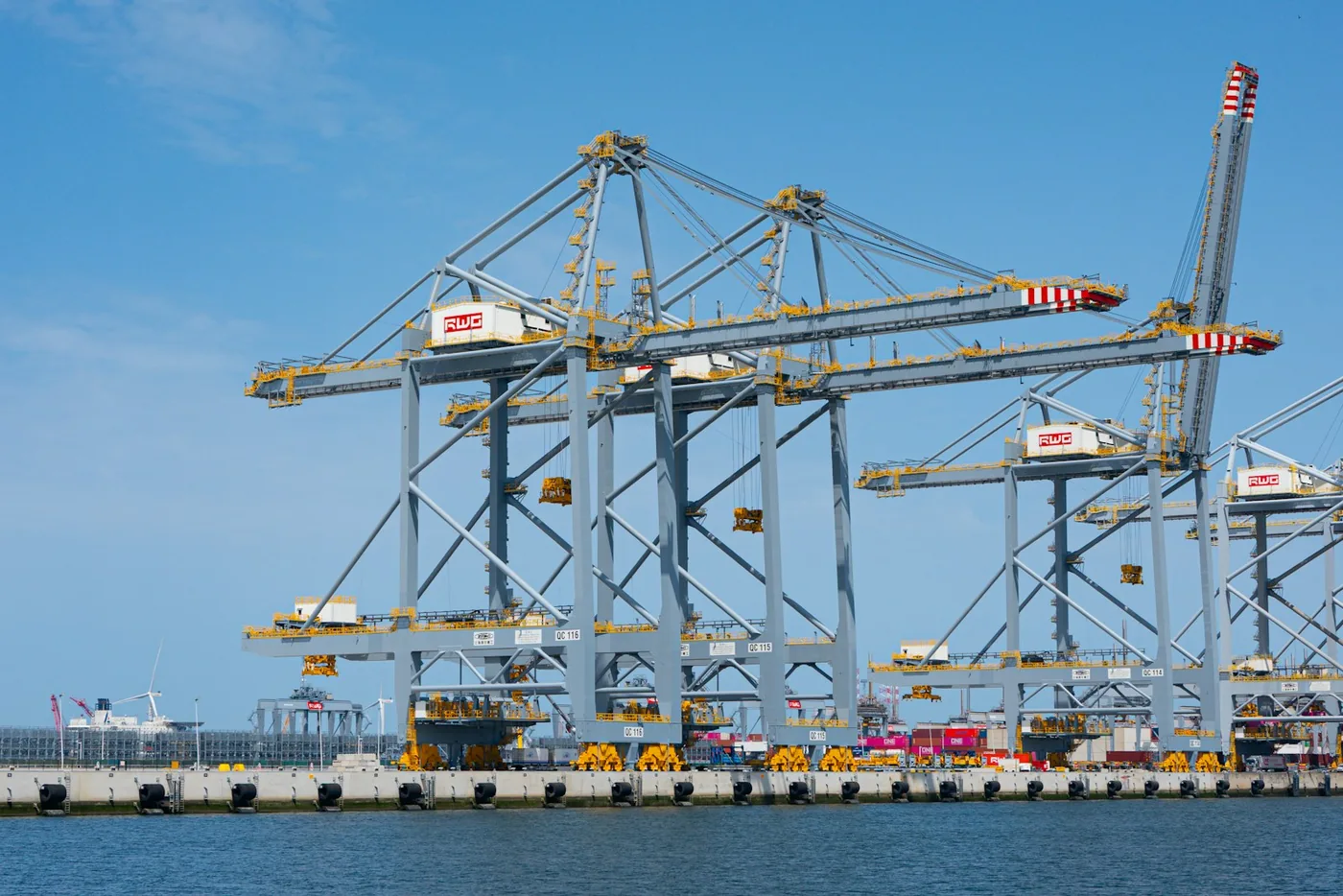
Search for motorcycle container shipping Thailand and nearly everything that comes back is about bringing one machine into the country. This page is about the opposite journey: a full container of new Thai domestic motorcycles, packed in Bangkok and sailing to a port you name.
Motorcycle container shipping from Thailand, not into it
The reader we have in mind is a dealer or an importer buying machines to sell, not a rider moving one bike for a trip. Honda, Yamaha, Suzuki and Kawasaki Thai domestic models leave here by 20ft and 40ft container, and the minimum is one container. That rule is set out on the container export hub and it does not bend.
The two journeys have almost no questions in common. A rider bringing a used machine in is dealing with temporary admission and with getting the bike out again afterwards. A buyer taking a container of new machines is dealing with a supplier, a list of goods and a port at their own end.
There is a third group asking similar-sounding things: riders clubbing together to share one box between several private machines. That is a genuine arrangement, but it is the opposite commercial shape to this one, where a single buyer takes a whole load of machines from the firm that supplies them.
We sit on the supply side of that transaction. The machines are ours until they are yours, the box is packed where they are stored, and the shipment is quoted together with the goods rather than billed separately afterwards.
Where a container of Thai machines is loaded
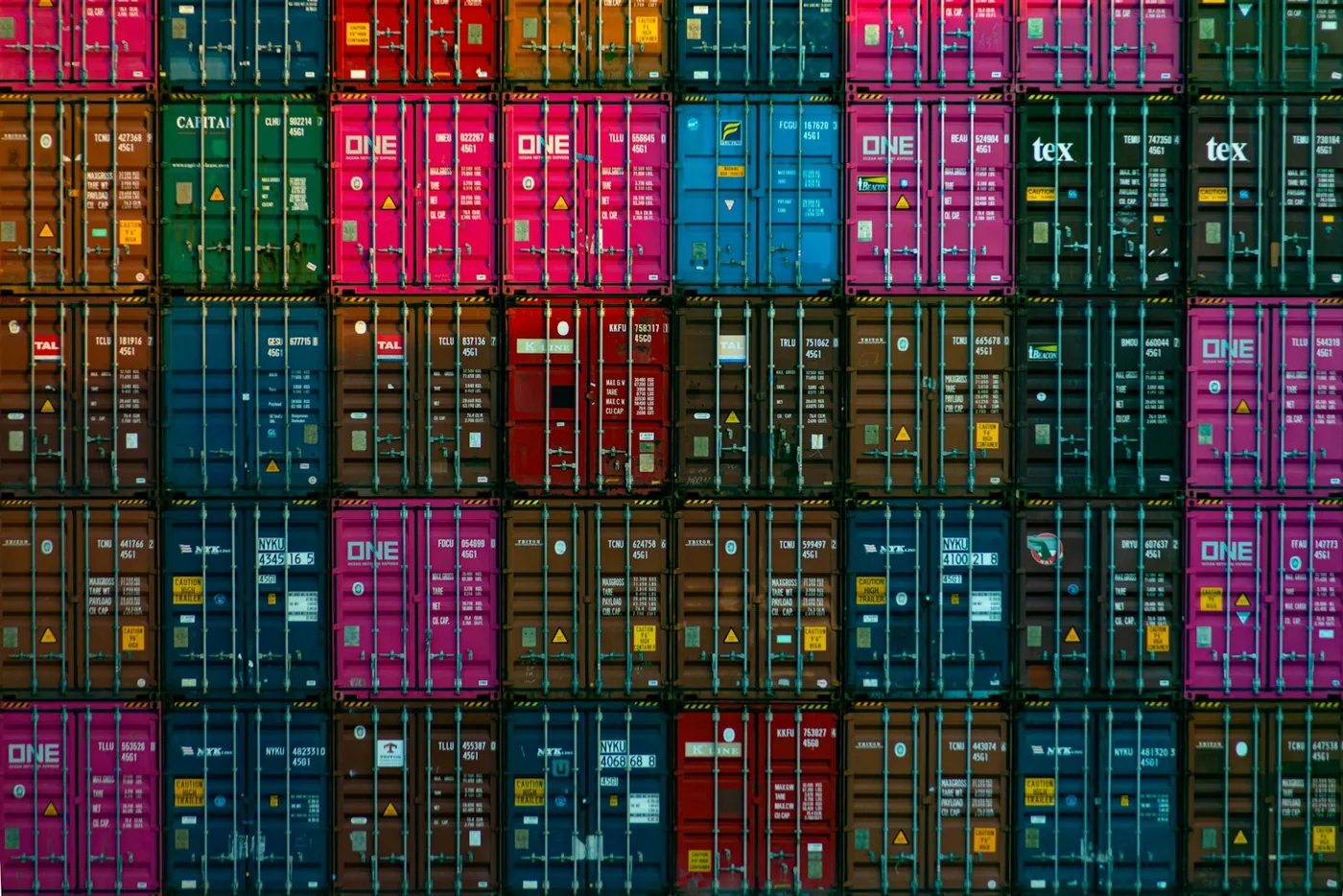
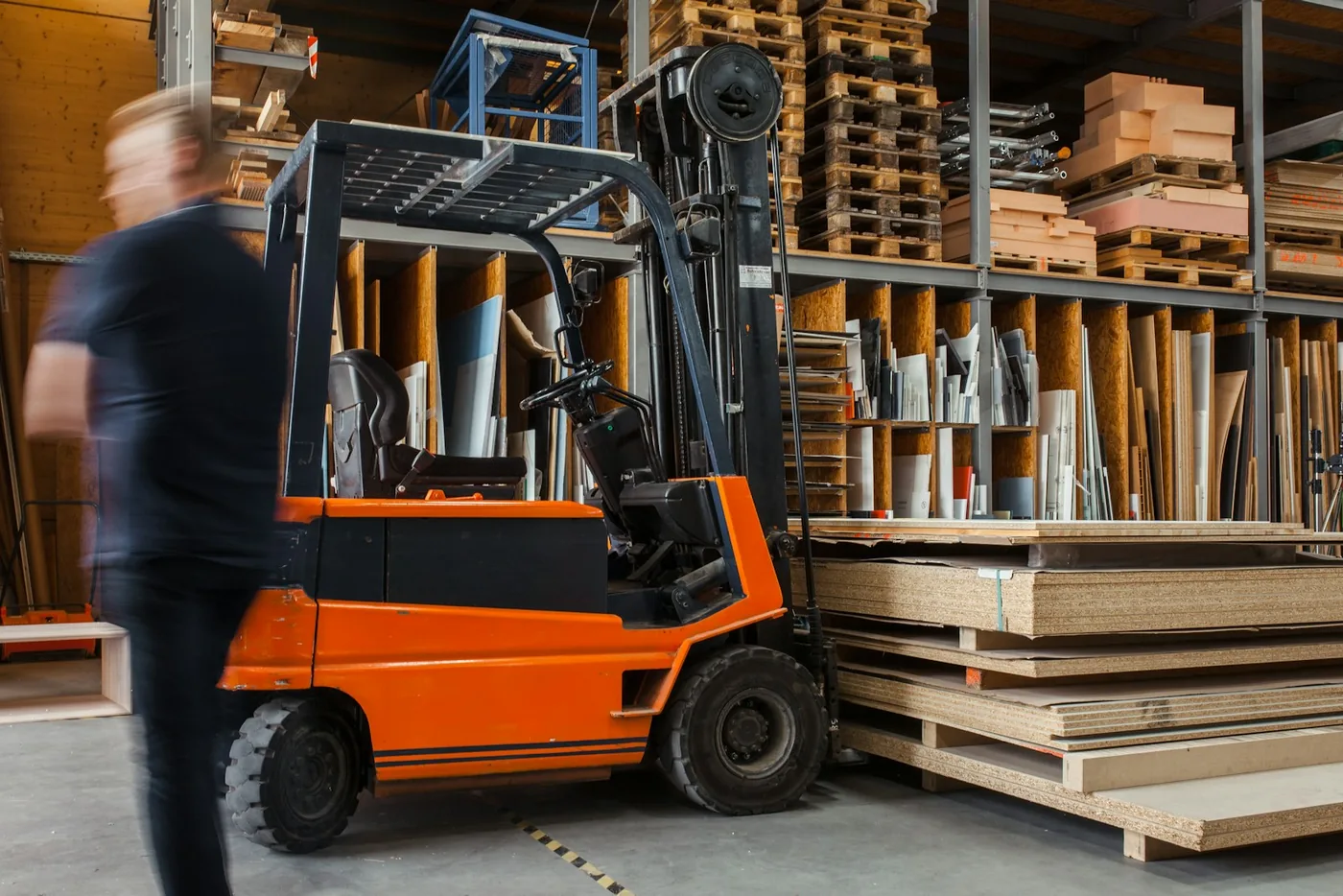
Packing and warehousing happen at our Bangkok premises, which is the part of this that differs from every freight quotation you will be given elsewhere. The machines are not collected from somewhere else and consolidated by a third party; they are held, prepared and stuffed into the box in one place by the people selling them.
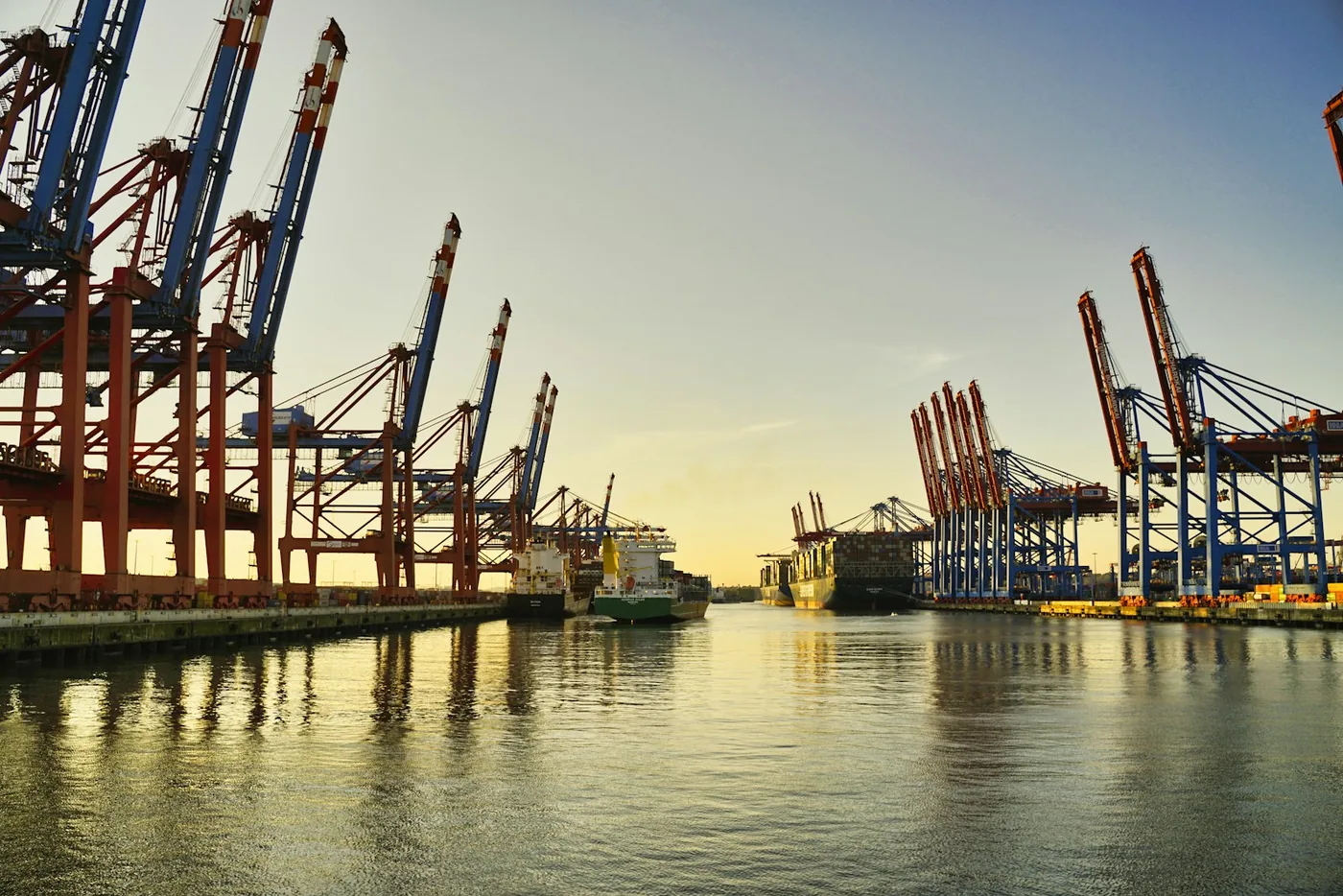
Where the box goes next is a matter of Thai port geography rather than of preference. Thailand has two container gateways, and the Port Authority of Thailand describes their relationship plainly on its own Laem Chabang Port information page: Laem Chabang is promoted by the government as the country’s main port, replacing Bangkok Port, because container freight through Bangkok Port has been capped at 1.0 million TEU since 1996.
The Authority also runs its terminals on a landlord model, contracting the operating function out to private companies. For a buyer that is useful background rather than something to act on: it explains why deep-sea container traffic concentrates at one gateway, and why the sailing your consignment joins is a scheduled commercial service rather than something arranged bike by bike.
What destination port means, and why we ask for it first
Of the three things needed to quote a container, the one that most often comes back wrong is the destination. We need a port, not a city and not a delivery address. Many countries have several, they are not interchangeable, and the one you name changes the quotation.
If you are not certain which port serves you, the answer usually comes from whoever will clear the goods at your end, because their choice of port is part of how they work. Landlocked buyers name the seaport their goods will be discharged at, and then arrange the overland leg from there themselves.
Prices are quoted CIF, which is the price of the goods plus the shipping to that named port, in Thai Baht. That is why the port is asked for before anything is costed: it is the point at which our figure stops. Everything beyond the quay at your end is priced by other people, in your currency, under your country’s rules.
Where our part ends and yours begins
First-time importers usually ask what a container costs before they ask which parts of the job are theirs. The second question is the one that decides whether the deal is workable at all, so here is the line, stage by stage.
| Stage | Where it happens | Who handles it | What we need from you |
|---|---|---|---|
| Choosing the machines | Our supply side in Thailand | Us, against your list | Models and quantities |
| Packing, warehousing and loading | Our Bangkok premises | Us | Your confirmation before the box is stuffed |
| Export formalities | The Thai side | Handled on the Thai side of the shipment | Consignee company details |
| The sea leg | Thailand to the port you name | The carrier, arranged as part of the shipment | The destination port, named as a port |
| Arrival, clearance and duty | Your country | You, or an agent you appoint | Nothing from us; this side of the line is yours |
| Inland delivery from the quay | Your country | You | Nothing from us |
Which size of box the load goes into is a separate decision and it belongs on its own page. It turns on volume against payload, and on what else is going in beside the machines. The reasoning is set out under choosing between a 20ft and a 40ft container.
What we are not
We are the supplier of the goods and the party that packs and ships them. We are not your customs broker, your freight forwarder or your appointed agent at your end, and nothing on this site should be read as an offer to act in any of those roles.
Clearing the container into your country, paying duty, satisfying any import licensing and arranging onward transport are yours to handle or to appoint someone for. Saying so plainly is more useful than a friendlier sentence would be, because a buyer who has not lined up that side of the job will discover it at the worst possible moment.
What goes into the box, and what the machines are for documentary purposes, is covered separately under new motorcycle export from Thailand.

Questions buyers ask before the first container
Which port does the container sail from?
That is settled on the Thai side as part of the shipping arrangement, and it is not something the buyer specifies. As the Port Authority sets out, Thailand’s deep-sea container traffic is concentrated at Laem Chabang, with Bangkok Port capped since 1996. The port we do need from you is the one at your end.
Can I send my own motorcycle out of Thailand this way?
No. This is a supply arrangement for new Thai domestic machines that we sell, packed with the goods we are selling. A privately owned used machine leaving the country is a different transaction with different paperwork, and it is not what this service is.
What if I want less than a container?
Complete motorcycles are container-only, with one container as the minimum. Parts and accessories are not: they travel by post or courier in any quantity, which is covered under worldwide parts shipping and in the wider parts and accessories section.
Sending us enough to quote a container
Three things make a container quotable: the models you want, how many of each, and the destination port. Add your company details as consignee, and say whether parts and accessories are going into the same box, because that changes how the load is planned.
Send those to us through the container shipping enquiry form, which preselects container shipping, or by email if that suits you better. A rough list is enough to start with; we will come back on the parts that need pinning down.