
There are four realistic ways to order motorcycle parts from Japan, and every website that explains them is selling one of them. This page lays out all four, including the drawbacks of our own, so you can pick the route that suits the machine you are working on.
Why a Japanese component is hard to get where you live
Three things block the obvious route. Your local franchise can order through official channels, but only for machines its national catalogue contains, and a great many small Hondas, Yamahas and Kawasakis were never sold in your market at all. A dealer cannot order what its system does not list.
Second, a large share of Japanese sellers will not despatch outside Japan. Domestic auction sites, small specialists and some manufacturers’ own retail channels are closed to a foreign address and a foreign card. Third, even where a seller will ship, nobody in that chain is checking whether the item suits your particular machine.
That last point is the one that costs people money, and it is the reason the four routes below are genuinely different rather than four prices for the same thing.
Four ways to order motorcycle parts from Japan
| Route | What it does for you | What it does not do | Best when |
|---|---|---|---|
| Your local franchised dealer | Orders through official channels and handles warranty work | Cannot order a model its national catalogue never listed | Your machine was sold new in your own country |
| A large Japanese catalogue site | Self-service ordering, very wide range, published despatch options | Fitment is entirely your problem; it answers what exists, not what suits your frame | You already hold the reference and the model is mainstream |
| A proxy or forwarding agent | Buys on your behalf from sellers who will not deal with you directly, and consolidates purchases | Any judgement about fitment. It forwards a box; it cannot know an item was superseded | You know precisely which listing you want |
| A sourcing shop that quotes by email | One conversation covering identification, both origins and the despatch method, priced to your door | Instant checkout — nothing is sold from a live catalogue, so every price is quoted against an enquiry | The item is hard to identify, or the machine is Thai-market or 4Mini |
What a forwarding agent structurally cannot do
This is worth spelling out because it is where most disappointments begin. A forwarding agent’s job is to receive a parcel at a Japanese address and send it on. It does not read a frame number against a catalogue, does not know that a component was revised mid-production, and cannot tell you that the item in the listing suits a Japanese-market machine but not the version sold in Thailand.
None of that is a criticism of the service. It is simply not what the service is. If you already know exactly what you are buying, an agent is a perfectly sensible tool.
Genuine components and Japanese tuning brands are separate supply chains
Genuine Honda, Yamaha, Suzuki and Kawasaki components are ordered by the manufacturer’s own reference through the manufacturer’s distribution. Availability is a factory matter, and a discontinued line is discontinued everywhere at once.
The Japanese tuning and accessory brands are a different world. Yoshimura, Takegawa, Kitaco, Daytona, Over Racing and Moriwaki each publish their own product references, hold their own stock and set their own availability, and none of them appears in a manufacturer’s diagram. An enquiry for a tuning part therefore needs the brand name, not a factory reference.
The full directory of the makes we deal with is on our parts from Japan page, and there is a longer guide to the Japanese parts brands we supply. Tell us which world you are in and the enquiry gets much shorter.
Japan or Thailand? It depends on the machine
This is the question nobody else on the subject can answer, because almost every supplier has one origin and therefore one answer. We buy on both sides, so the honest reply is that it depends entirely on what you are working on.
A 4Mini machine — Monkey, Gorilla, Dax, Chaly, ZB and their relatives — draws on genuine Japanese components, Japanese tuning brands, and parts made here in Thailand, often within one order. A Thai-market Wave, Sonic or Click is a different case: those bikes were built and sold here, and the correct component is frequently a Thai one that no Japanese catalogue lists at all.
So do not assume Japan. Send the machine and the item, and we will tell you which country it comes from and what that does to the price. The model index lists the families we cover, and the parts section groups them by the job.
Availability, backorders and getting the box out of Japan
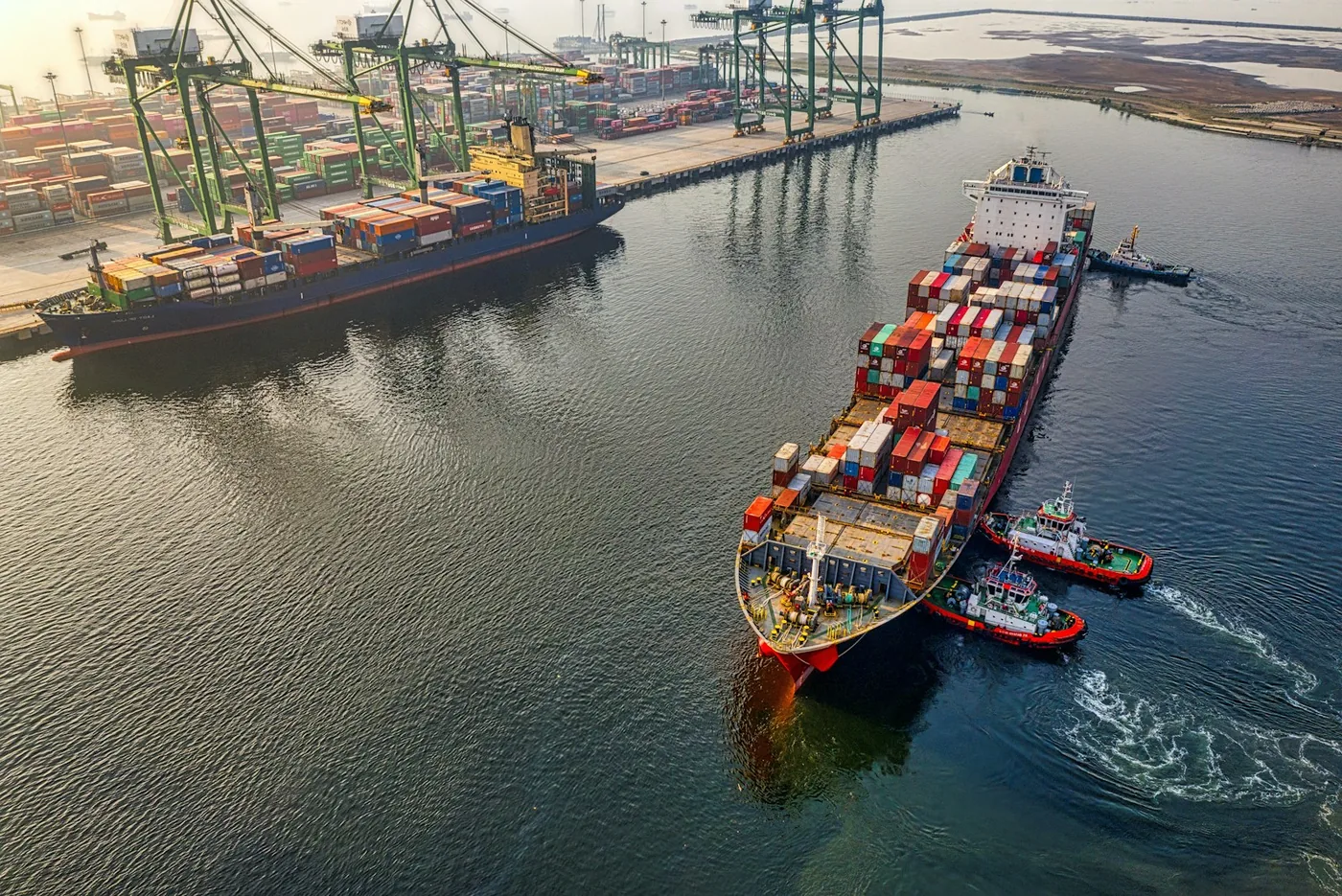
The one figure we publish is this: genuine parts ordered from Japan are normally available in about four working days if they are not backordered at the factory. Backordered means the factory has none, and that caveat is not decoration — it is the difference between a fortnight and an open question. Total time to your door is availability plus carriage.
For carriage, Japan Post describes EMS as its fastest international service for merchandise up to thirty kilogrammes, tracked and with a compensation scheme. Note one thing that most guides still get wrong: Japan Post states that all SAL shipments remain suspended, and that some services are unavailable to particular countries. Where a budget route is wanted the answer is air parcel, not SAL.
Beyond that, the comparison of every despatch method sits in our guide to EMS shipping for motorcycle parts, and the courier case in shipping by DHL.
Frequently asked questions
Can you get parts for a model never sold outside Japan?
Usually, yes, and it is a common request. Give us the machine, the frame number and the item, and we will check what the Japanese supply source holds. Where a line has been discontinued we will say so rather than substitute something without asking.
Do I have to buy from Japan if the bike is Japanese?
No. Plenty of components for Japanese-branded machines sold in this region are made and stocked in Thailand, and for those the Thai route is faster and cheaper. We check both before quoting.
Will I pay import duty on a Japanese order?
Almost certainly. Duty and tax are assessed at your end by your own customs authority, they vary by country, and they sit outside anything we quote. Ask your local customs office before committing to a large order.
Asking us to price a Japanese part
Send the item with your frame number, or the manufacturer’s reference if you have one, plus the brand name where it is an aftermarket item. Add the destination country and the quantity and we can go to the supply source.
Send it through the quote request form, or by a brand enquiry if you know the make you want. Our note on parts enquiries covers what a complete one contains.