
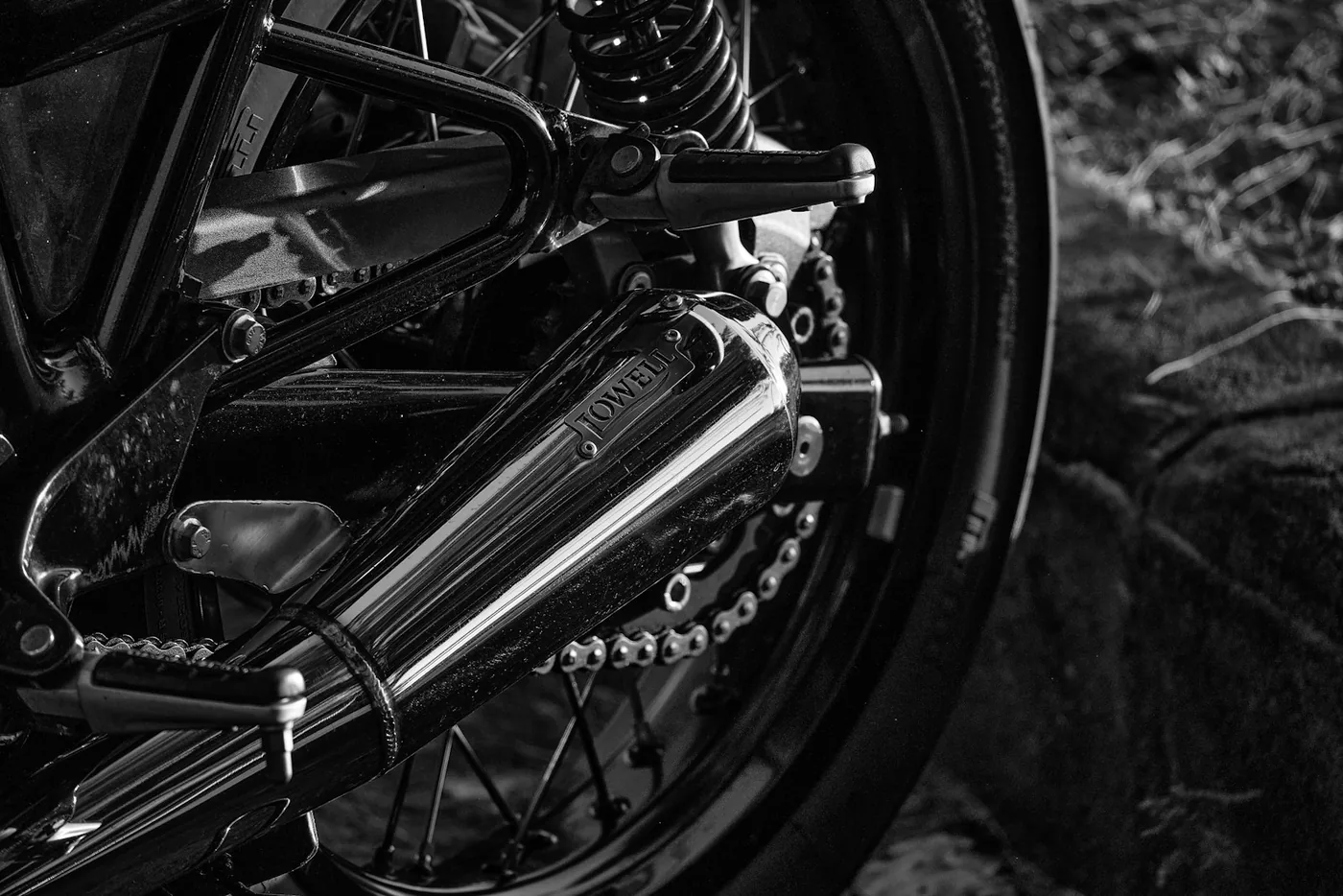
Yoshimura parts arrive here as two questions rather than one: which of the two companies making them a product and its number came from, and what that product will need once it has been on a machine for a few seasons. Neither question is answered by the brand name on its own.
There are two companies called Yoshimura
The brand’s own site publishes a caution about imitation product, and in doing so states something a buyer outside Japan rarely learns: only two companies make Yoshimura products, one in Japan and one in America. Both are legitimate. Both publish catalogues under the same name.
That matters commercially. We buy in Japan and Thailand, so a number from the Japanese catalogue is one our supply source can read, while a number from the American catalogue may describe a real product our source has no entry for.
Our index of Japanese motorcycle parts brands already makes the general version of this point: a brand’s own product number and a machine manufacturer’s part number do not resolve in the same place. This is that lesson one level further down.
Which Yoshimura enquiry is this, and what it forces
Enquiries about this brand fall into a small number of shapes, and the shape decides what has to be established before anything can be priced. The table below is how we read one when it lands.
| What you are asking for | What that decides | What we then have to establish | What we need from you |
|---|---|---|---|
| A complete system, brand named, machine named | A new-product enquiry | Which catalogue the product you saw belongs to | The machine and its frame number, and where the product was listed |
| A part to service a system already fitted | A consumables enquiry, not a purchase | What the system is and how it is built | Photographs of the silencer including any markings |
| Something from the brand that is not an exhaust | Not the enquiry a search engine expects | Which product family it sits in | The item name, where you saw it, and the machine |
| A product number copied from a website | It may or may not be a number our source reads | Which of the two catalogues it came from | The number exactly as printed, and the address of the page |
| An item you own and cannot identify | An identification job before it is an order | Whether it can be identified at all from what you have | Photographs of every marking, stamp, band and plate |
| A system bought second-hand or unboxed | Provenance is unknown and we will not assert it | Nothing we can settle from Bangkok by description | Photographs, and your decision on what to price |
| A machine we have listed the brand against before | The narrowest case and the easiest | Whether the supply source still reaches it | Frame number and the item |
The right-hand column hardly changes from row to row. That is the whole argument for writing to a shop rather than filtering a marketplace.
The catalogue is wider than exhaust
Our own brand index files this maker under exhaust, which is where most people meet it and is not the whole picture. The manufacturer’s own product navigation is divided into exhaust, engine, electrical, chassis and kit parts, alongside further groups for complete machines, goods and maintenance.
We are not going to pair products with machines here, because a fitment claim written from a catalogue page is worth nothing. The useful point is narrower: if the item you want is a chassis fitting or an electrical piece rather than a pipe, that is a normal enquiry, and it should reach us with the item name and the machine.
The exhaust conversation itself carries on elsewhere. Slip-on against full system, the small hardware that comes with each, and the certification plate on a Japanese road system are all set out on our motorcycle exhaust parts page.
A silencer is something you keep, not something you replace
This is the part of the brand almost nobody outside Japan seems to know about. The maker’s own service page for its Cyclone silencers says that repair parts are available to order, and names them: sleeves, inner wools, emblem, rivet bands and rivets. You can read that on the manufacturer’s Cyclone service page, which is where we took it from.
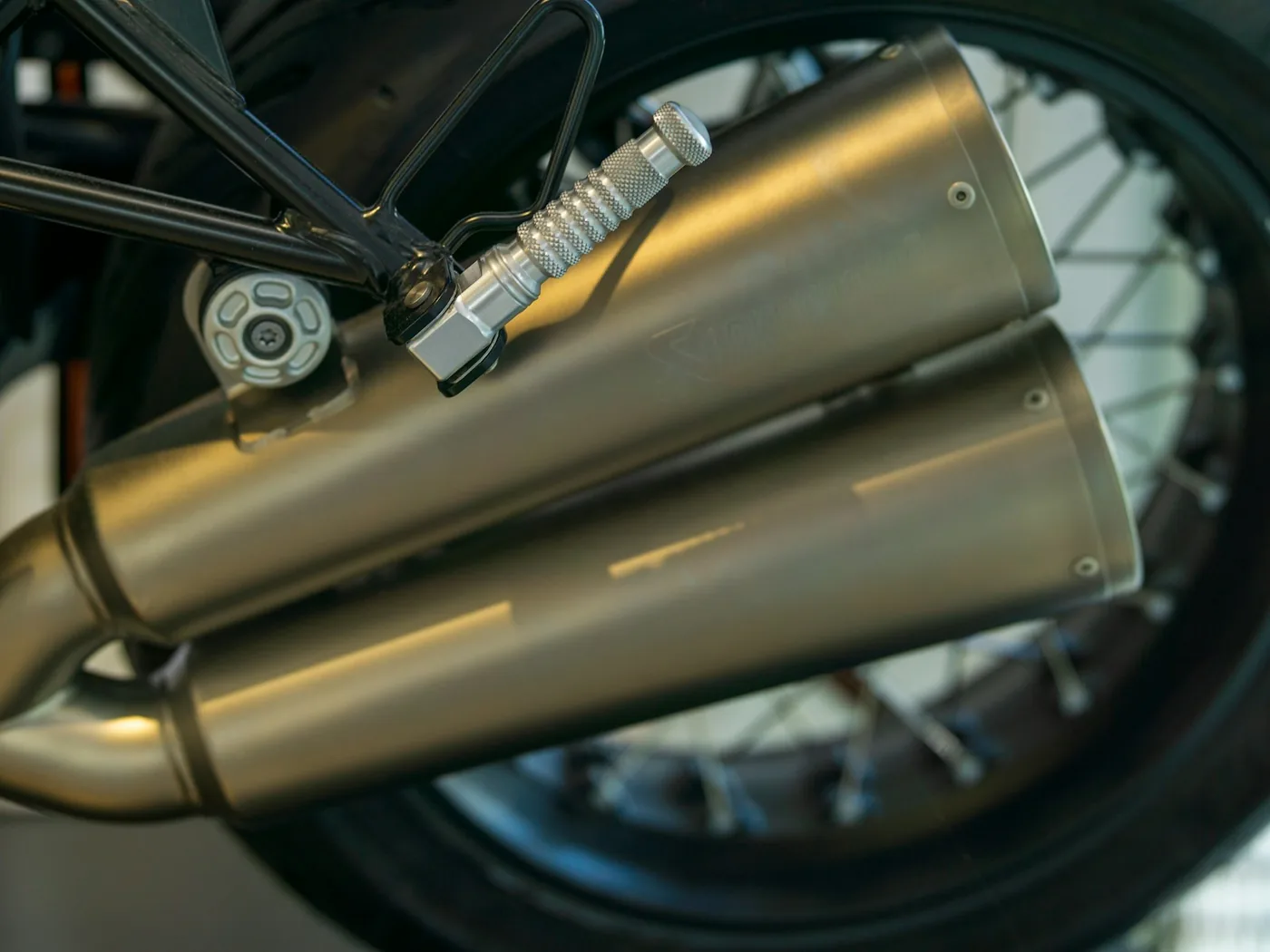
Notice what that list describes: an outer sleeve, the packing inside, the badge, and the bands and rivets holding the assembly together. Those are the parts of a silencer that age. A maker publishing a range for them is saying plainly that this is a component with a service life rather than a sealed unit to be thrown away.
For an enquiry that changes the question. Instead of asking what a replacement system costs, you can ask what it would take to bring back the one already on the bike. We cannot tell you which repair parts your silencer takes without seeing it, and we will not guess from a model name.
Why we ask for the number and the page you found it on
The brand publishes a caution stating that imitations of its products are found on internet shopping and auction sites, that they may damage a motorcycle or its engine, and that it cannot stand behind claims arising from them. That is the maker’s position, published by the maker, not a rumour we are passing on.
We are not going to teach you how to tell a genuine item from an imitation. Nobody can do that from Bangkok, from a description, and a shop claiming otherwise is describing an ability it does not have. What we can do is work from an exact number and a source page rather than from a brand name.
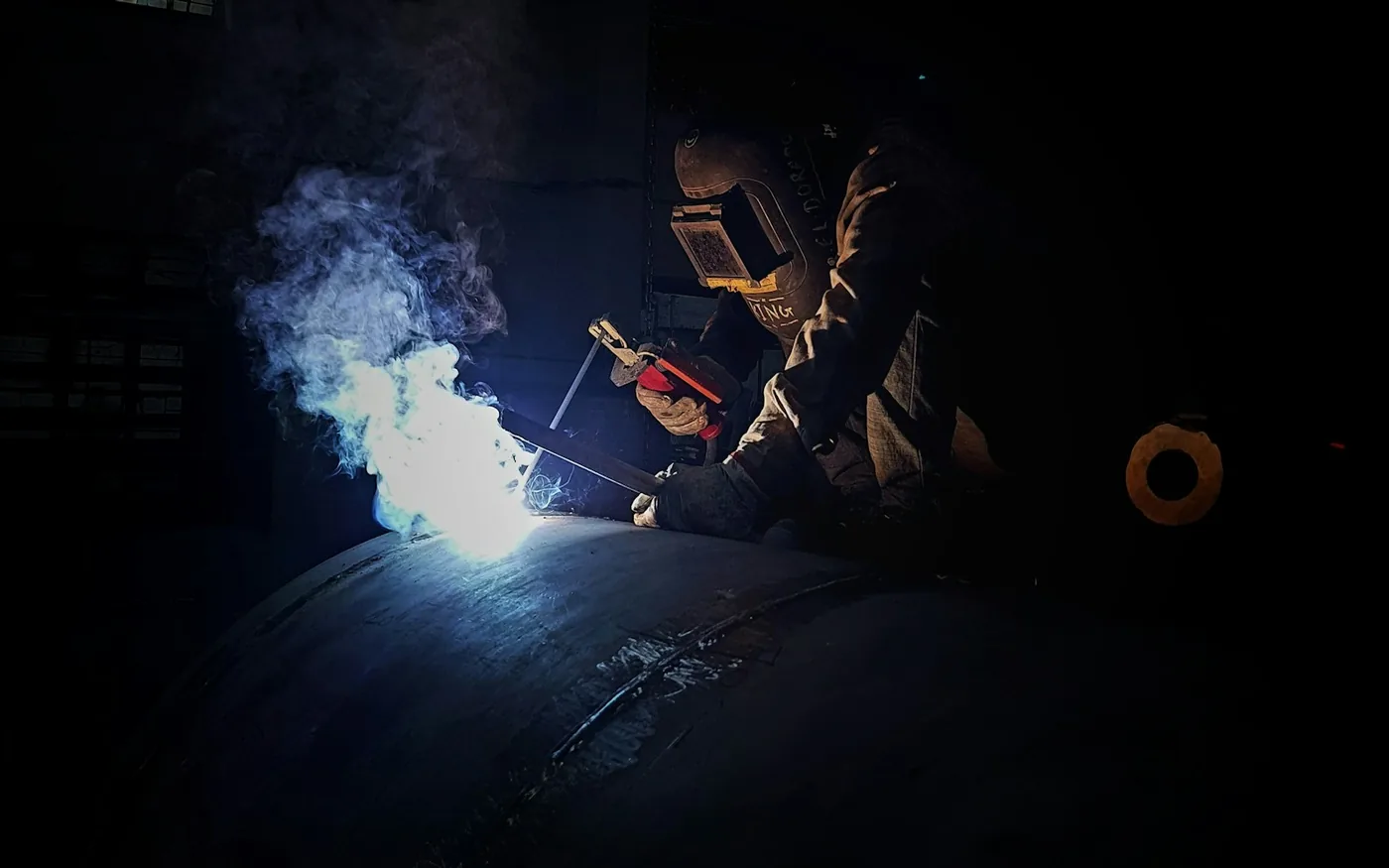
So the request is the same every time. Send the number exactly as printed, including spaces and hyphens, and the address of the page you copied it from. Our notes on finding a motorcycle part by part number and on identifying parts from photographs cover how to send both usefully.
Questions we are asked before ordering Yoshimura parts
Can you get something listed only on the American site?
Send it and we will look, but treat the answer as open. A product number written for the American catalogue is not automatically one our source can act on, and if it cannot be reached we will say so rather than substitute something similar.
Have you ever listed this brand for the small Hondas?
Yes: a Cyclone muffler appeared in our Monkey and Dax special-parts listing alongside other Japanese tuning names. That is a record of what was once listed, not a statement of availability now. If you own a Monkey or a Dax, send the frame number and we will check the source rather than the archive.
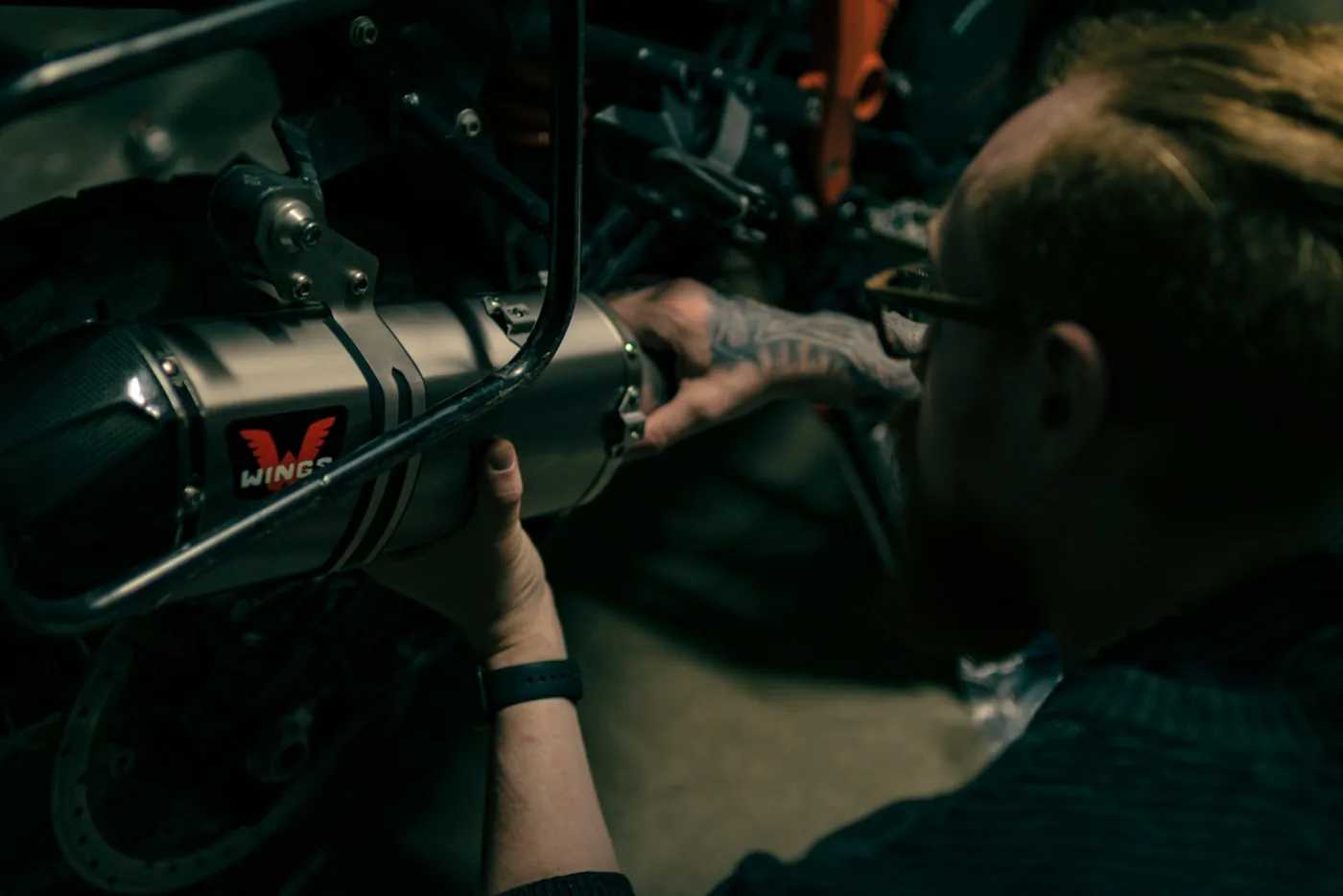
I bought a silencer second-hand and cannot identify it. Can you?
Possibly not, and we would rather say so at the start. Photograph every marking, stamp, band and plate on it, and we will tell you what we can read and what we cannot. We will not assert where an unmarked item came from.
Asking us to price an item from this brand
Give us the machine and its frame number first, then the item. If you have a product number, send it exactly as printed with the address of the page it came from; if you do not, send the item name and photographs instead, including any markings on a part you already own.
Add the destination country and the quantity, because a price here is quoted CIF in Thai Baht and shipping is part of it. Start with the brand quotation form, or use the engine and performance enquiry if the item is not an exhaust. We check what the supply source in Japan or Thailand can actually reach, and reply by email.