
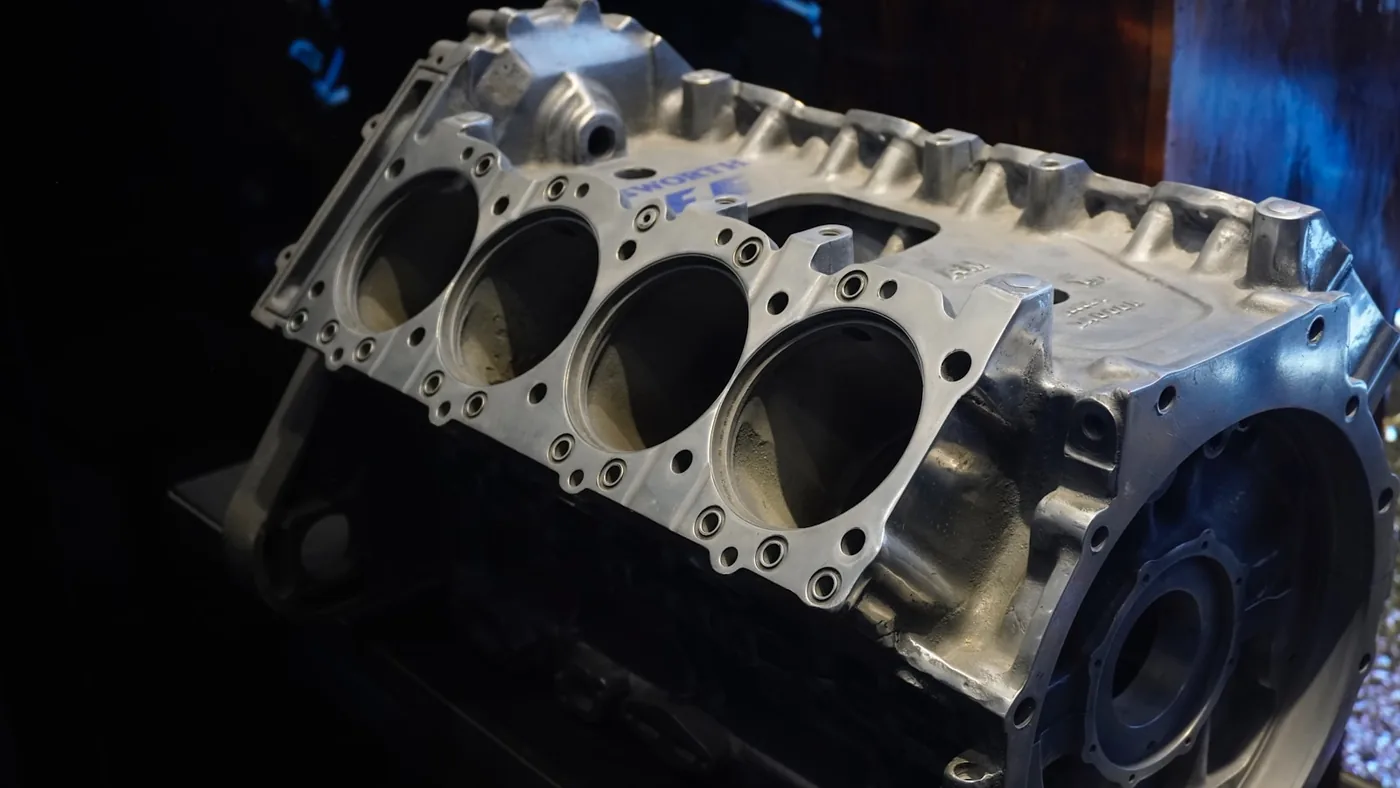
You can identify a motorcycle part from a photo far more often than people expect, and far less completely than they hope. A picture will usually name the object. Deciding whether that object fits your machine is a different job, and this page is about the gap between the two.
What a photograph actually tells you
A clear photograph of a component is good evidence of what kind of thing it is. It shows shape, finish, casting quality, wear, the number and pattern of mounting holes, and whether a bracket has been bent by a previous owner. Those things are genuinely hard to convey in words, which is why we ask for pictures.
What a photograph does not carry is provenance. It cannot tell anyone which of several near-identical variants you are holding, which side of the machine it came from if it is a handed pair, or whether the version fitted to your bike was changed halfway through a production run. Those are catalogue questions, and they are answered from the machine, not from the object.
Being clear about that boundary saves everybody time. It is also why the useful photograph is rarely the flattering one.
How to photograph a component so it can be recognised
Surface, light and framing
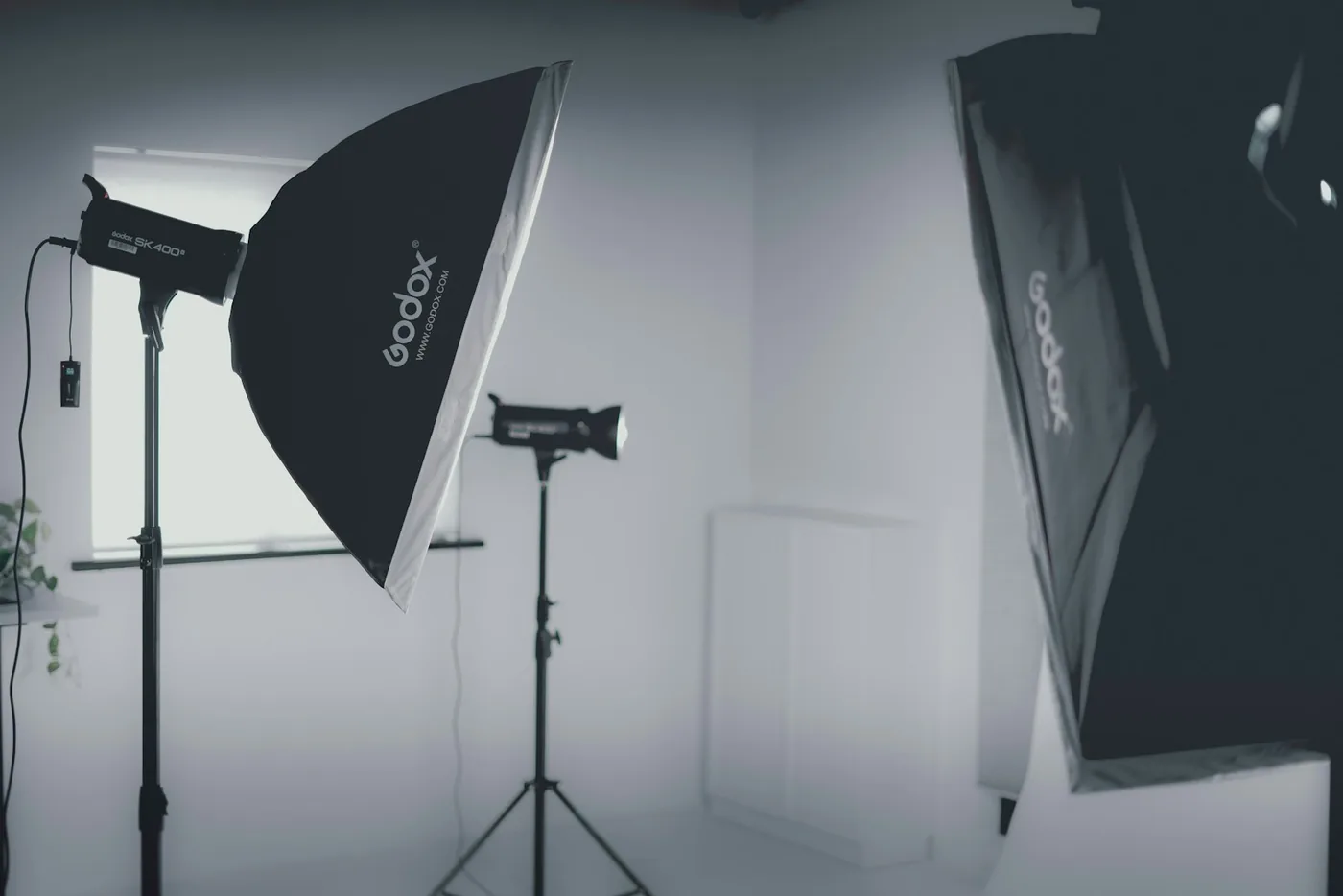
Put the item on a plain, matt surface with nothing else in shot. Light it from the front and from slightly above, softly, so that the shadows fall away from the camera rather than across the casting. Hard direct light and a shiny finish are the usual reason a picture arrives unreadable.
Fill the frame with the object and shoot square to it, not at an angle. If your phone offers a grid, use it; a straight-on picture of a bracket is worth three artistic ones.
What to include that most people leave out
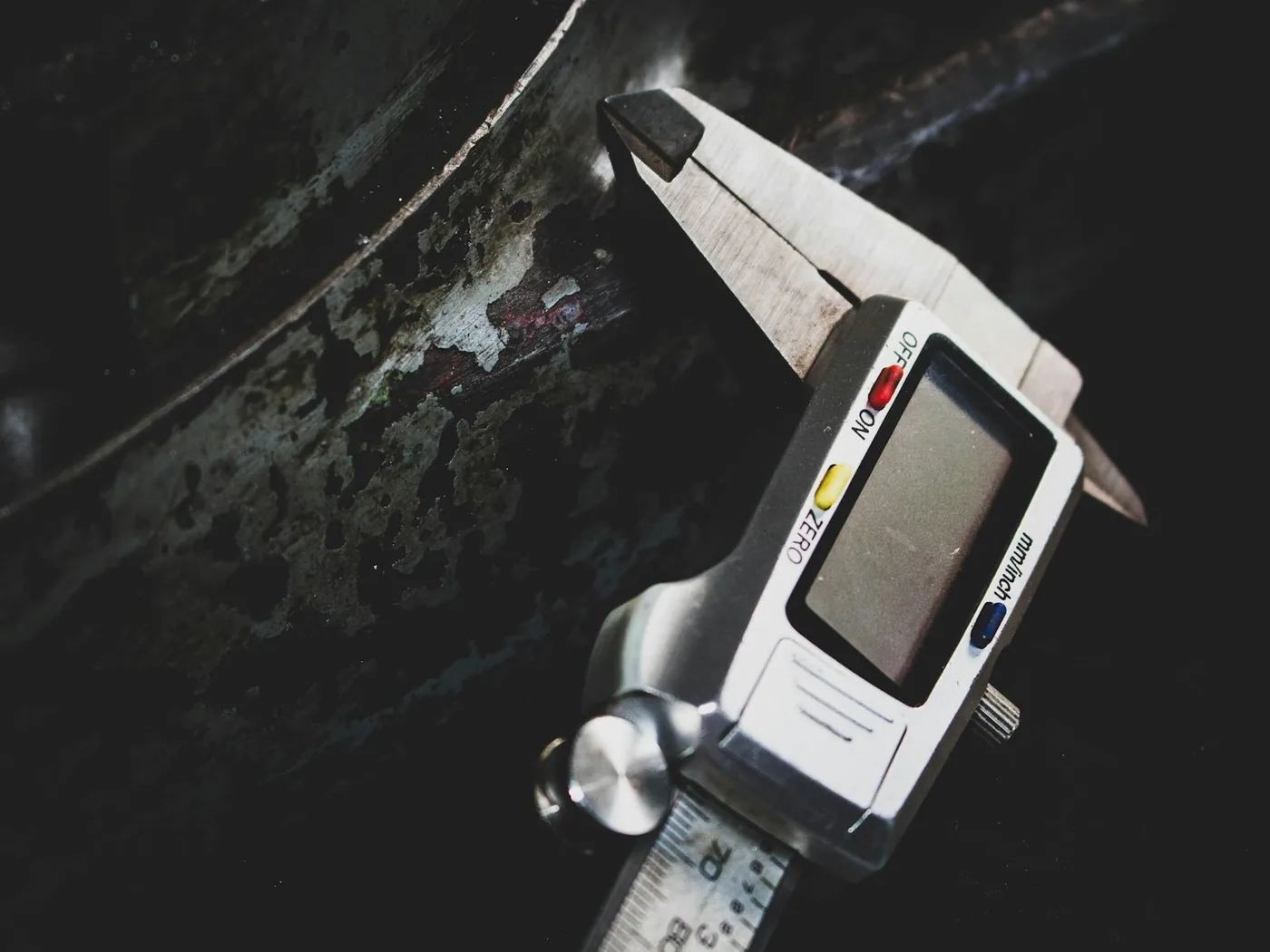
- A scale reference in the frame. A steel rule, a tape measure or a coin removes half the ambiguity in one shot.
- The mounting face, not just the visible face. That is the side that decides whether something bolts up.
- Both sides of anything that could be handed, such as a lever, a footrest hanger, a side cover or a mirror.
- A picture of the item still on the machine, before you remove it, if it is still attached.
- The threads and the fixings, photographed against the rule. Thread pitch and bolt spacing are often the deciding detail.
Look for a number before you look for a match
Before photographing the shape of something, look for characters stamped, cast or printed into it. Aluminium castings frequently carry a moulded code. Electrical components, regulators, rectifiers, ignition units, instrument clusters and switchgear very often carry their own printed label, and a legible photograph of that label is worth more than ten pictures of the housing.
Turn the item over and look inside recesses, behind flanges and under the mounting flange. Wipe the area with a rag and photograph it close, in focus, with the light raking across the surface rather than straight at it. Raking light is what makes a worn stamping readable at all.
A number found this way is not always a manufacturer’s catalogue reference. It may be a foundry mark, a supplier code or a moulding tool number. Send it anyway; we can tell which it is, and one of those categories resolves the question immediately.
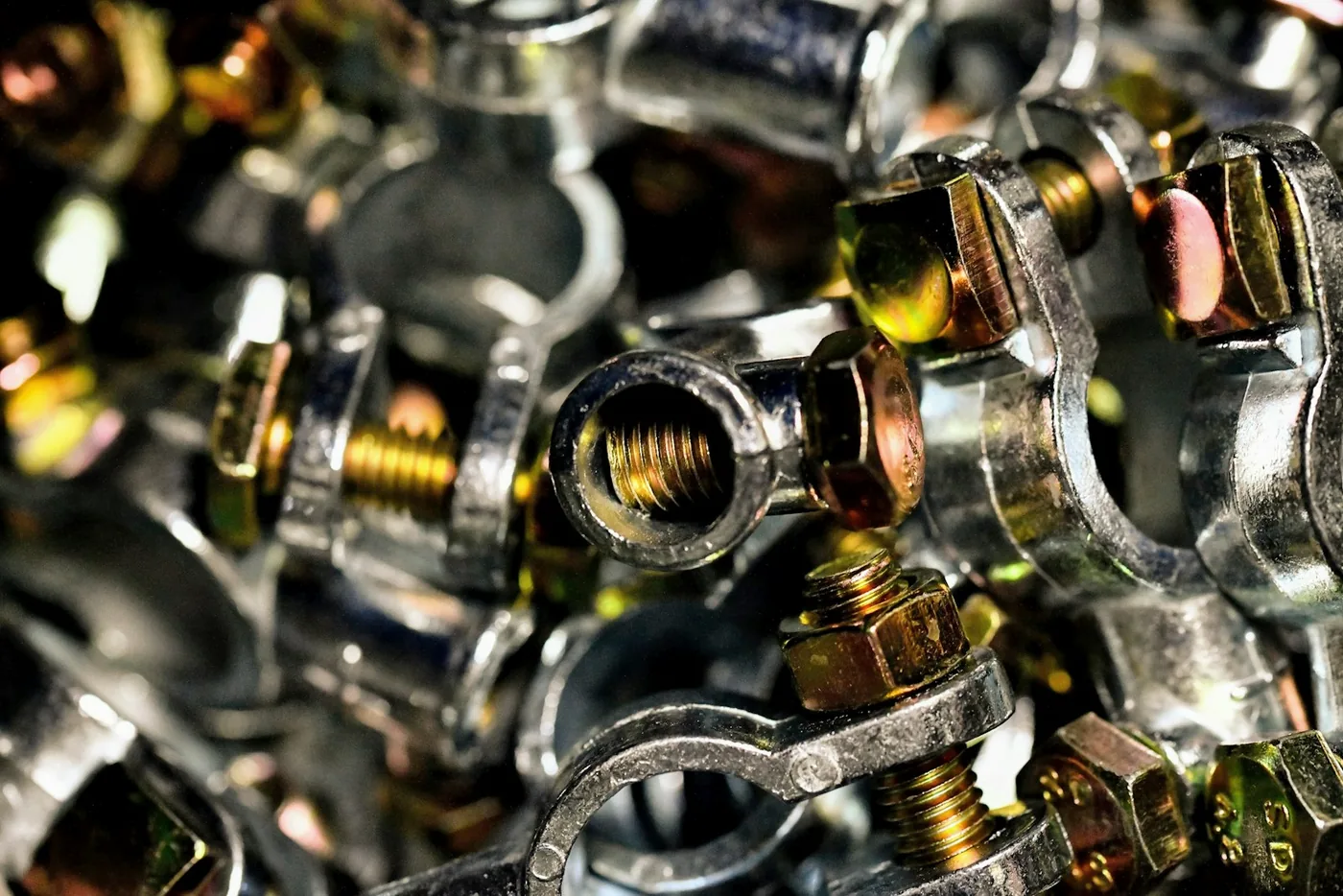
When you can identify a motorcycle part from a photo, and when you cannot
The table is the reality check. Every question in the right-hand column that a picture cannot settle is settled by the frame number instead, which is why we ask for both.
| Question about the item | Can a photograph answer it? | What answers it instead |
|---|---|---|
| What kind of component is this? | Usually yes | A sharp photograph against a plain background |
| Which side of the machine is it from? | Only with the mounting face shown | Photographs of both faces, plus the frame number |
| Will it fit my machine? | No | The frame number, which fixes the model type and variant |
| Is it the early or the late version? | Rarely | The frame number read against the maker’s catalogue |
| Is it genuine or aftermarket? | Sometimes, from finish and casting marks | A code on the item, or the brand’s own catalogue |
| Has it been superseded? | No | The current catalogue entry for your machine |
| Is it the Thai-market or Japanese-market version? | No | The frame number, and knowing which catalogue to open |
Where the frame number is and how to read it is covered separately in our note on identifying a part by frame number, and the catalogue side of the job is set out in finding a part by its number.
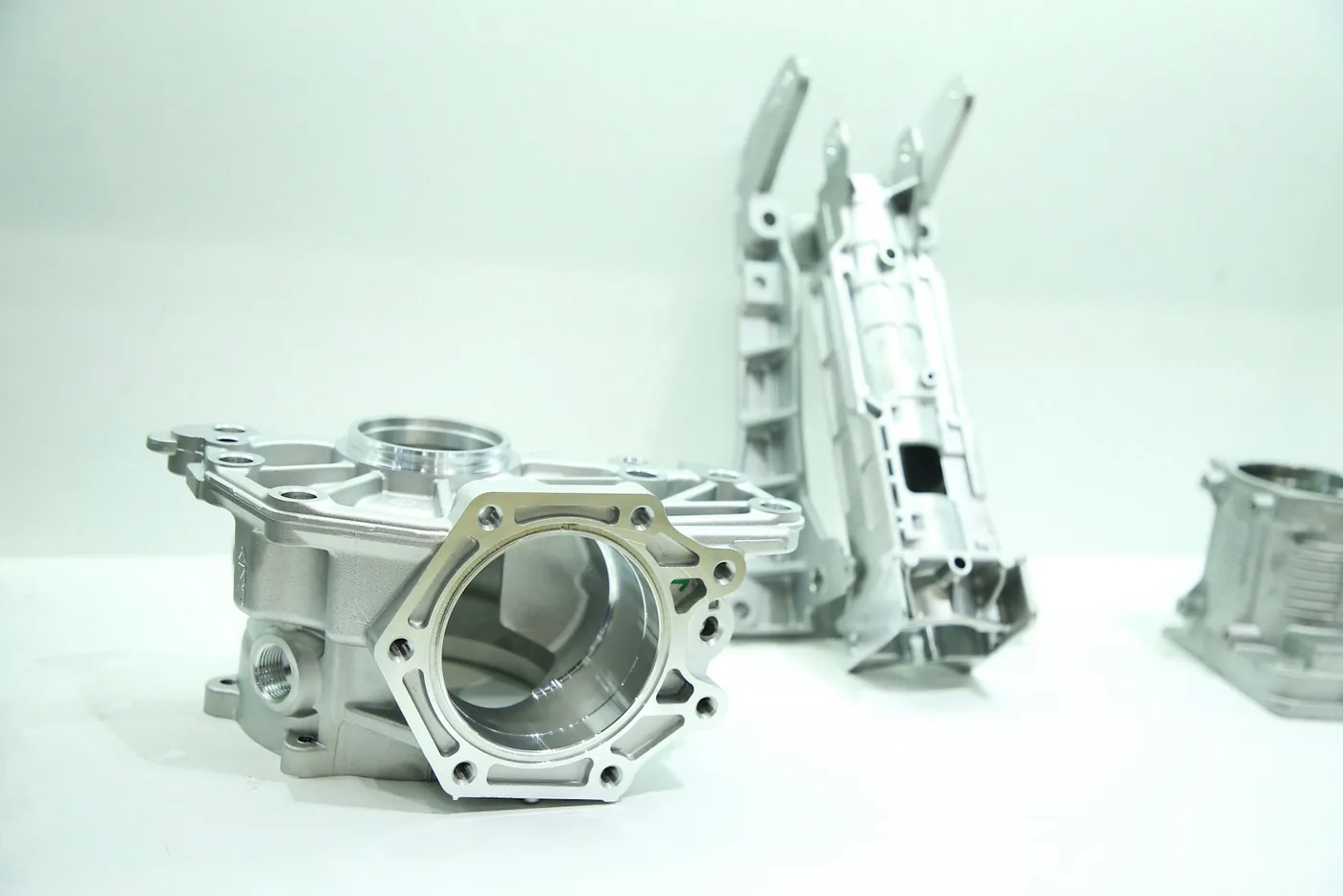
Thai-market, Japanese-market and aftermarket components
General visual identification breaks down badly on the machines we deal with most. A Thai-market Wave or Sonic panel, a Japanese-market 4Mini component, or a market-specific lighting assembly will often be matched confidently to the wrong thing, because the reference material behind most identification is Western-market data. Confident and wrong is worse than uncertain.
Manufacturers themselves do not work from appearance. Honda’s global motorcycle line-up is arranged by model and by market, and the same name over the years and across regions covers machines that share very little. That is the structure a parts enquiry has to follow too.
Aftermarket parts sit outside that structure altogether. A tuning brand’s exhaust, cylinder kit or rearset carries the brand’s own product reference and appears in no manufacturer diagram at all, so a photograph plus the brand name is genuinely the fastest route. The directory on our parts from Japan page shows the names we order from.

Frequently asked questions
Do you charge to look at a photograph?
No. Looking at a picture and telling you what it appears to be costs nothing, and we would rather do that than quote the wrong item. Nothing here is sold from a live catalogue, so every enquiry is answered by a person either way.
My part is broken into pieces. Is a photograph still useful?
Yes, often more useful than an intact one. Lay the fragments out in roughly the right relationship, include the scale reference, and photograph any fracture face that shows a cast code. Add a picture of the empty mounting on the machine as well.
Can you work from a picture of somebody else’s bike?
Only up to a point. A photograph from a forum, an auction listing or a magazine shows what the item looks like but says nothing about your machine, and the difference between the two is where mistakes come from. Send it as a reference by all means, and send your frame number with it.
Sending us the photograph
Attach the pictures, name the machine, and give us the frame number. If you already have a manufacturer reference for the item, send that too and the photographs become confirmation rather than evidence. Tell us the destination country and the quantity in the same message and there is nothing left to ask you.
Use the quote request form, or write to us directly if you would rather explain the job in your own words. Our contact page has the address and telephone number, and a short history of the shop explains who is reading it.