
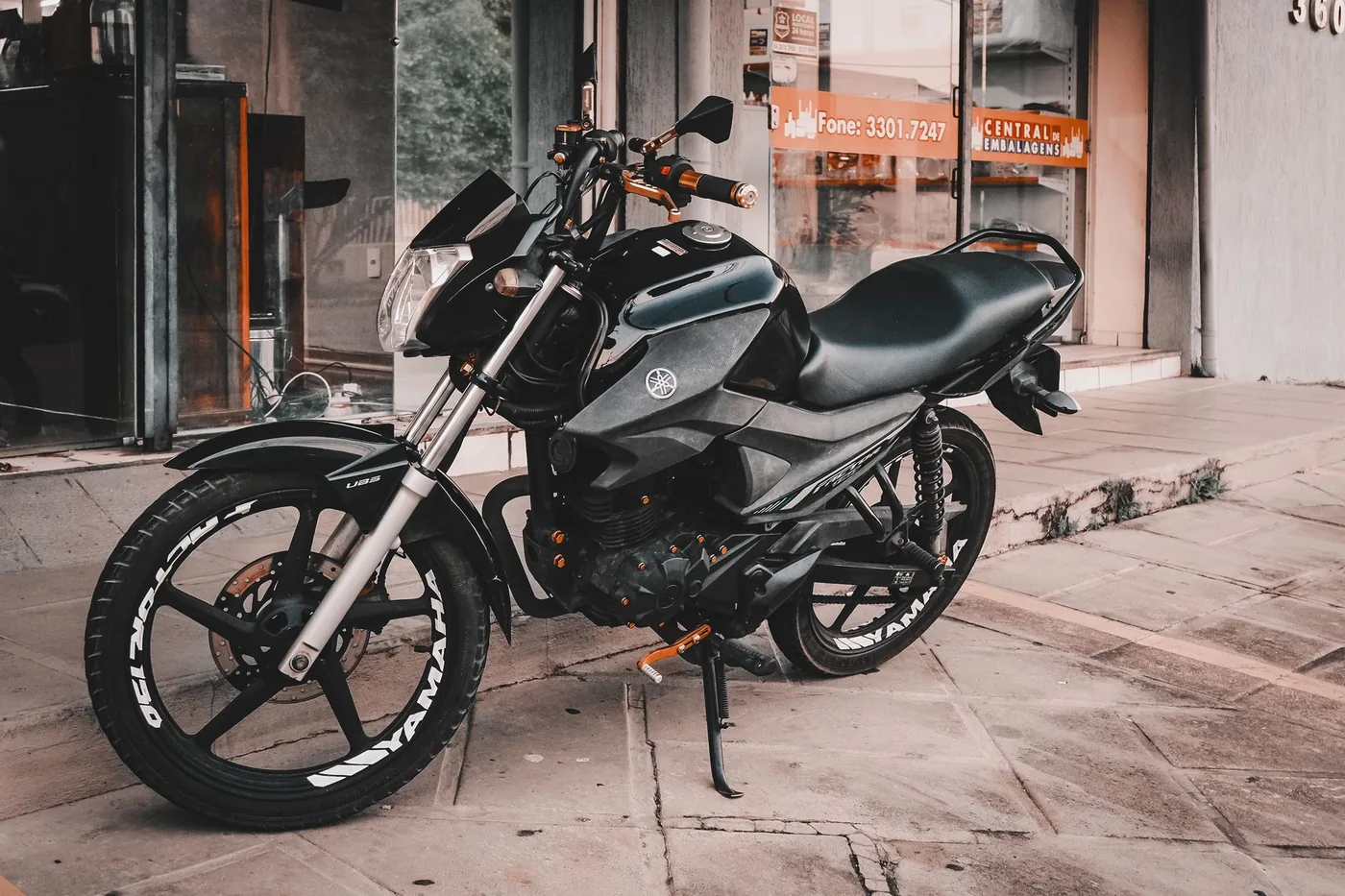
Easyway parts were filed on a shelf of their own in this shop, apart from Honda genuine, apart from the Japanese tuning brands, and apart from the parts we make under our own name. That filing decision is the most useful thing we can still tell you about the range.
Four shelves, and Easyway parts sat on one of them
Our old Monkey and Dax listing was never one page. It was four, and each carried links to the other three at the head and again at the foot: Honda genuine parts, Takegawa parts, the parts we make ourselves, and this one. Anybody landing on one was shown the other three.
The page ran a long time. The earliest capture we can find is from the end of 2009 and the last from January 2022, and across those twelve years the four-way structure never changed.
Our directory of Japanese motorcycle parts brands does not carry this name, and that is not an omission. The directory keeps to the list recorded on our Japan parts page, and this range was never filed there. It had a shelf of its own.
What each shelf can give you, and what it cannot
Filing stock by source before model looks strange now, and it was normal here, because on a small Honda the source decides the answer. The left-hand column below is the only one you can fill in without us.
| What you are trying to do | Which shelf that points at | What that shelf cannot give you | What we need from you |
|---|---|---|---|
| Put a machine back to how it left the factory | Honda genuine | Anything deleted from the parts system, and never the cheap route | Frame number, and the colour code if the paint is original |
| Build the engine or change how it goes | The Japanese tuning brands | A number your parts diagram will recognise | The machine, what is already fitted, and the product number if you have one |
| Replace bodywork or chassis that is missing, bent or rotten | A non-genuine replacement range such as this one | A promise that it is there this month, or a fiche to check it against | What is on the bike now, and photographs of the mounting points |
| Get something nobody catalogues at all | Small-batch manufacture, ours or somebody else’s | Speed, and a low price | What it has to bolt to, and what it has to clear |
| Work out which of the four you are in | Ask before you order anything | An answer from a catalogue filter | The machine, the item, and what the finished bike is for |
The third column is the one no catalogue prints, and it decides whether you end up disappointed. The right-hand column barely changes, which is the argument for writing to a shop.
What was actually on this shelf
This was a shelf of assemblies rather than small consumables. The groups it covered, for the Monkey, the Gorilla, the Dax and the Chaly, were broad:
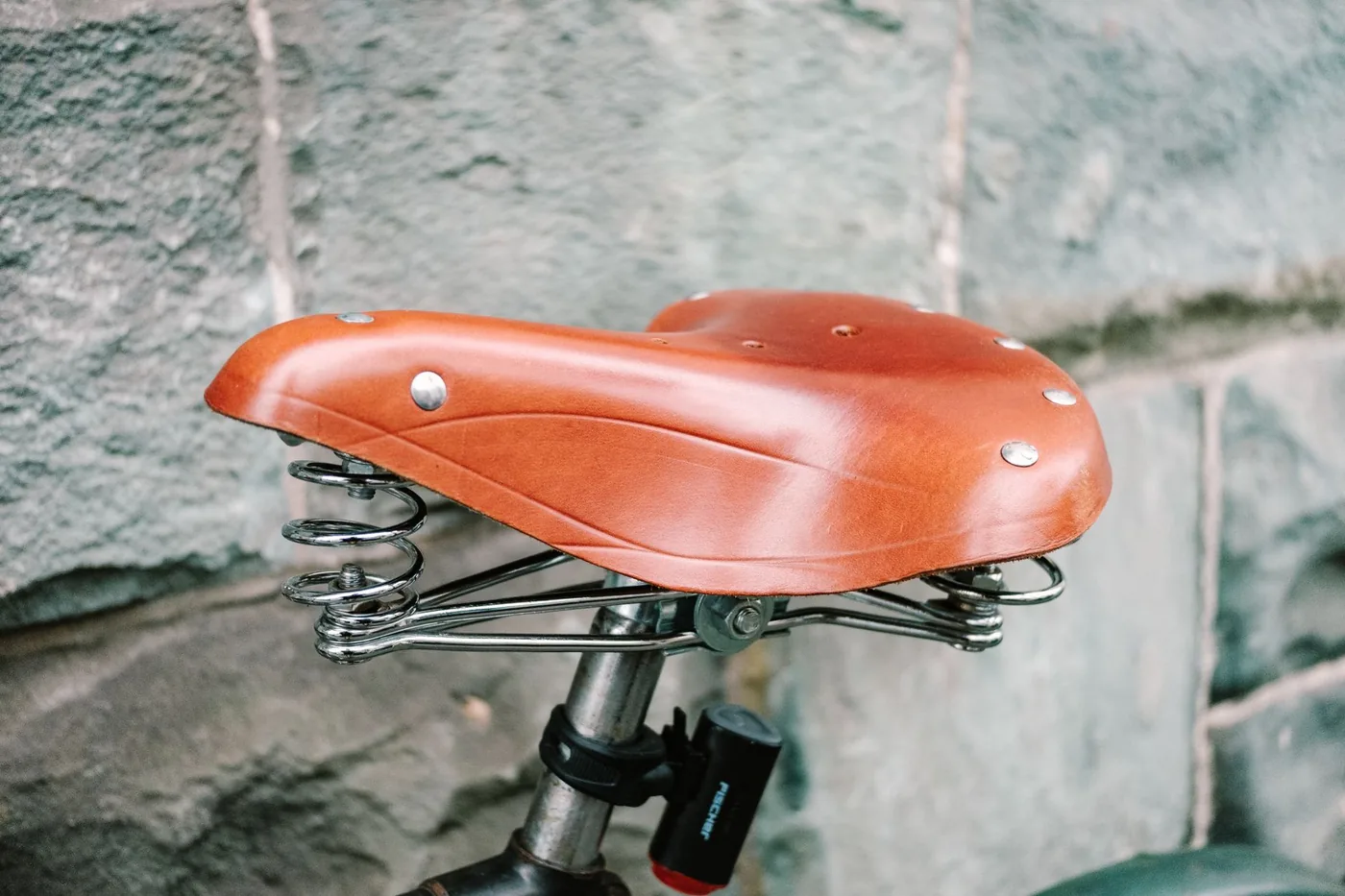
- seats in several shapes, tuck-roll, tracker and café outlines among them
- front and rear fenders, in plastic and in pressed steel
- cover kits and battery covers, in plastic and in aluminium
- fuel tanks in steel and in alloy, plus a sub-tank and a catch tank
- swingarms in several lengths, braced and monoshock versions included
- frames, hubs, rims, rim adaptors and front disc conversions
- sprocket kits, stands, kick levers, pedals, carriers and fork bushes
- headlights, indicator kits, tail lights, switchgear and an oil cooler
Honda’s own parts system is best at the small things that wear out and are still catalogued. This shelf was the opposite case: where you went when a whole component was missing, bent or beyond repair and nobody catalogued a replacement.
It was also a shelf with holes in it: a legend at the foot said an asterisk meant sold out, and several rows carried one while the page was live. Two groups have pages of their own here, cover kits on our motorcycle side covers page and swingarms on our motorcycle suspension parts page.
A number that only one shop could read
Every row on that page carried a code, and the codes were ours. They ran under two prefixes, one for the Monkey and the Gorilla and a second for the Dax and the Chaly, with lettered variants inside each. We have deliberately reprinted none of them.
That matters if you are working from an old printout or a cached copy. Such a code identifies a row in our listing and nothing beyond it. It is not a manufacturer’s part number, it will not resolve in a parts diagram, and no other shop can look it up.
Send it anyway, with the item name and a photograph, because the row is where identification starts rather than finishes. Our notes on finding a motorcycle part by part number cover what a number can and cannot settle.
Where a part comes from is a customs matter, not a brand claim
We are regularly asked where a range like this is made, and we will not tell you something the record does not show. The archived page carries no maker’s name, no address and no catalogue reference. A label on a shelf in Bangkok is not a country of origin.
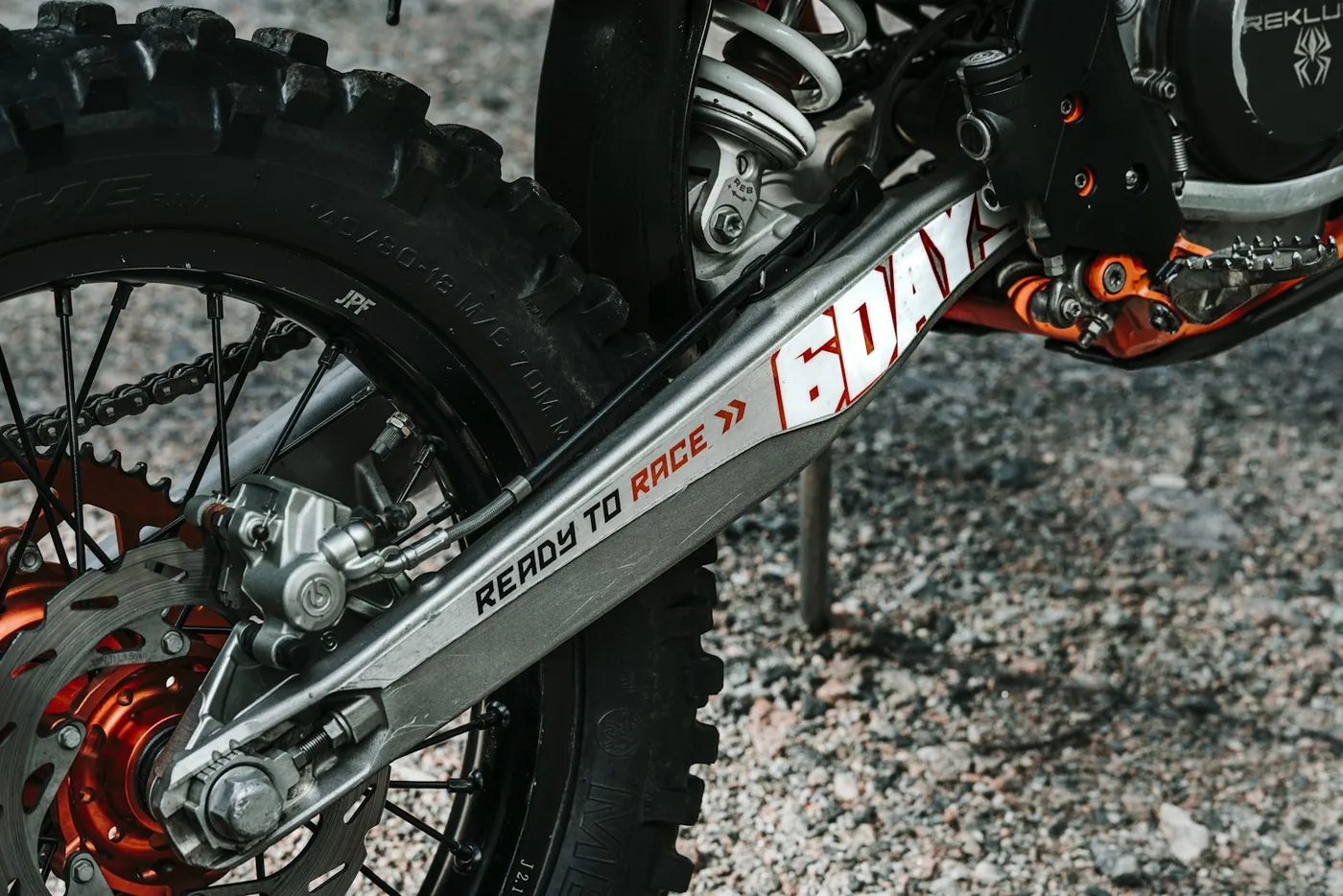
There is a reason to be careful with the word beyond ordinary caution. The World Customs Organization, the intergovernmental body for customs administrations, states in its overview of rules of origin that there is no international definition of origin, and that outside preferential agreements each country applies its own rules. Origin is a determination made under rules that differ from one border to the next.
So we would rather describe an item and say where we would buy it than let a name imply anything. If origin matters for your import paperwork, raise it when you write.
Questions we are asked about this range
Is this a Japanese brand?
We filed it separately from the Japanese ranges we sold, on its own page, for twelve years. Past that we will not tell you something the record cannot show, so we assert no country, no company and no owner for it.
Can you still get these?
Ask, and we will check the supply source rather than the archive. Everything here is a record of what this shop once listed: not a statement that anything is available now, and not a statement that it has gone.
Will a replacement tank or seat go on my bike?
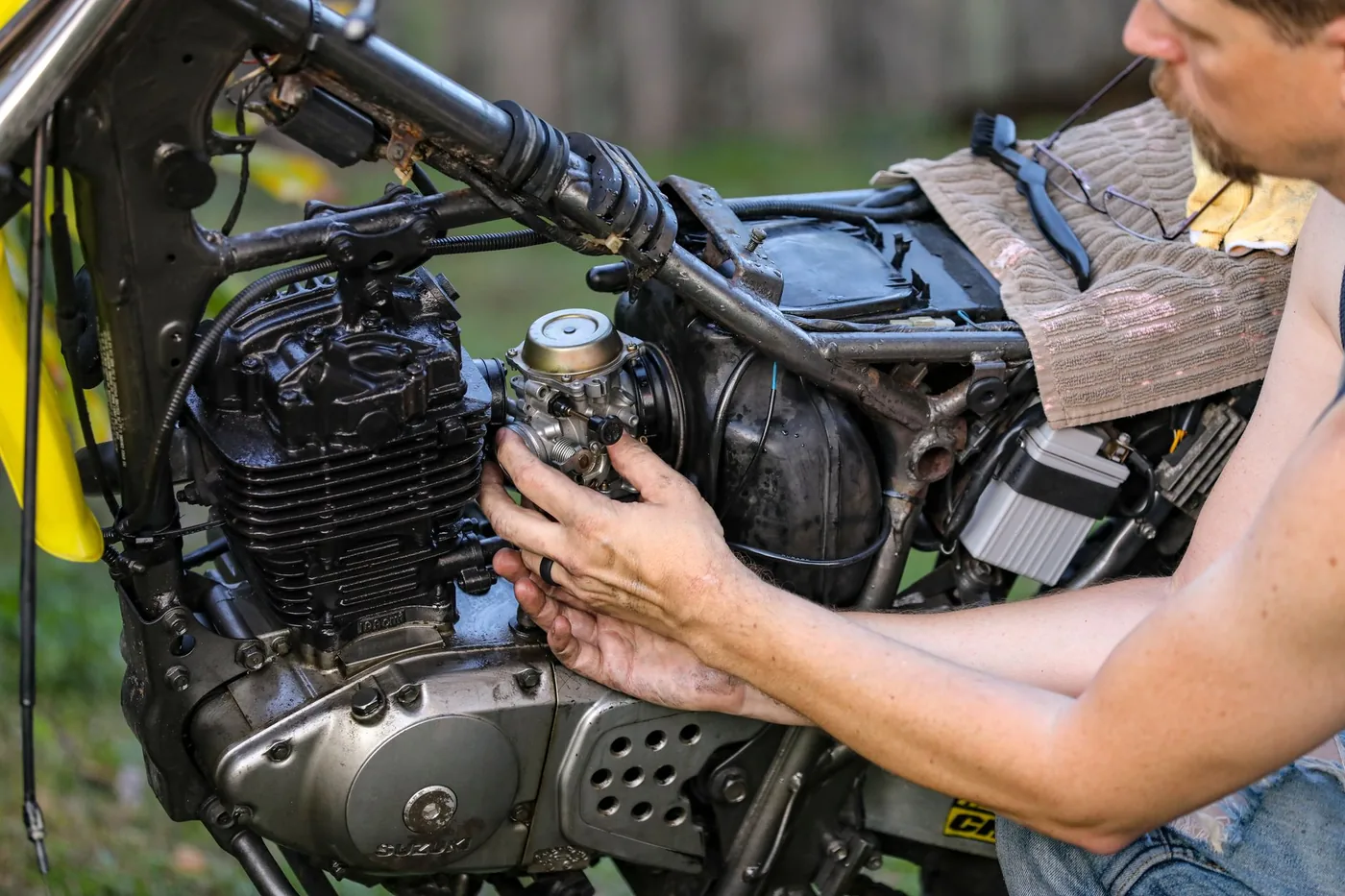
Not from a model name. Our 4Mini parts page sets out why we publish no interchange chart, and that bites hardest on a shelf like this, because there is no manufacturer’s fiche to check against. Send the machine, the frame number and photographs of the mounting points.
Do you rank this shelf against the Japanese ranges?
No. We do not test parts and will not rank brands, as our Takegawa parts page explains at length. What we will describe is coverage: which shelf catalogued the thing you are short of.
Asking us to look for something from this listing
Start with the machine. Say whether it is a Monkey, a Gorilla, a Dax or a Chaly, give the frame number, and say what the finished bike is for, because a road bike and a show bike pull in different directions.
Then the item: the part name, or a photograph if you cannot name it, with a photograph of the mounting points on your own machine. If you have a code off the old page, include that too.
Add the destination country and the quantity, since a price from here is quoted CIF in Thai Baht. Use the Monkey and Dax quotation form, and we will check what the supply source in Thailand or Japan can reach and reply by email.