
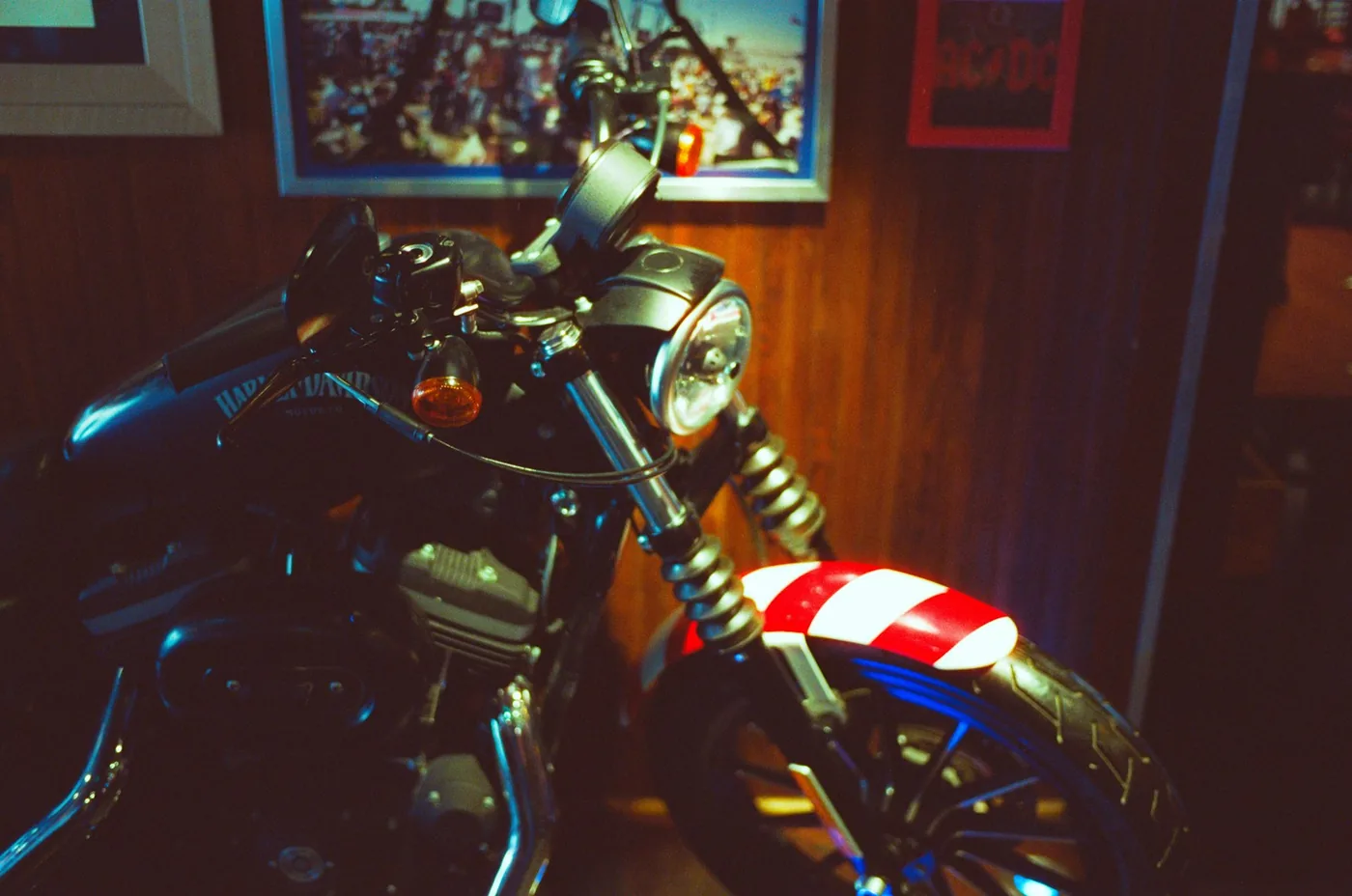
Motorcycle side covers are the removable panels on the frame of an unfaired machine, over the battery, the tool box, the wiring or the airbox. They are not fairing panels, and confusing the two is the commonest way an order for one goes wrong.
Motorcycle side covers are not side cowls
A side cowl belongs to a faired sport machine. It is part of a moulded fairing set, it is bought by panel name, and it usually arrives in gel coat waiting to be painted. If that is what you are missing, our motorcycle fairing parts page answers it properly and this one will not.
A side cover belongs to a machine with no fairing at all: a classic single, a Monkey or Dax, an underbone commuter. It clips or bolts to the frame, it hides the things nobody wants to look at, and on a genuine part it left the factory already in a colour. Two panels, two different trades.
Both live under bodywork on our motorcycle parts page, and half the retailers on the open web file them together as well. That is exactly why the line has to be drawn here first, before anything else on this page makes sense.
Which kind of panel are you actually missing
Six different requests arrive under the same three words, and they are answered from six different places. The last column is the one that decides how long the job takes.
| What you are missing | Typical on | How it is identified | What usually goes with it | Where the answer comes from |
|---|---|---|---|---|
| Genuine painted frame cover | Classic small Hondas and classic singles | By the machine’s type code, and by colour | The grommets, pins and lock rubbers that held it on | Genuine supply, from Japan |
| Chrome or replacement cover kit | Thai-market underbones | By model and by market | Usually nothing; it takes the place of the panel outright | The Thai accessory trade |
| Machined or fabricated panel | Small commuters rebuilt around new bodywork | By what it has to bolt to | Whatever the new panel assumes: frame, seat or tank | Specialist manufacture |
| A side cowl on a faired machine | Faired sport machines | By machine and panel name | The fasteners and mountings the old panel used | Not this page; see our bodywork route |
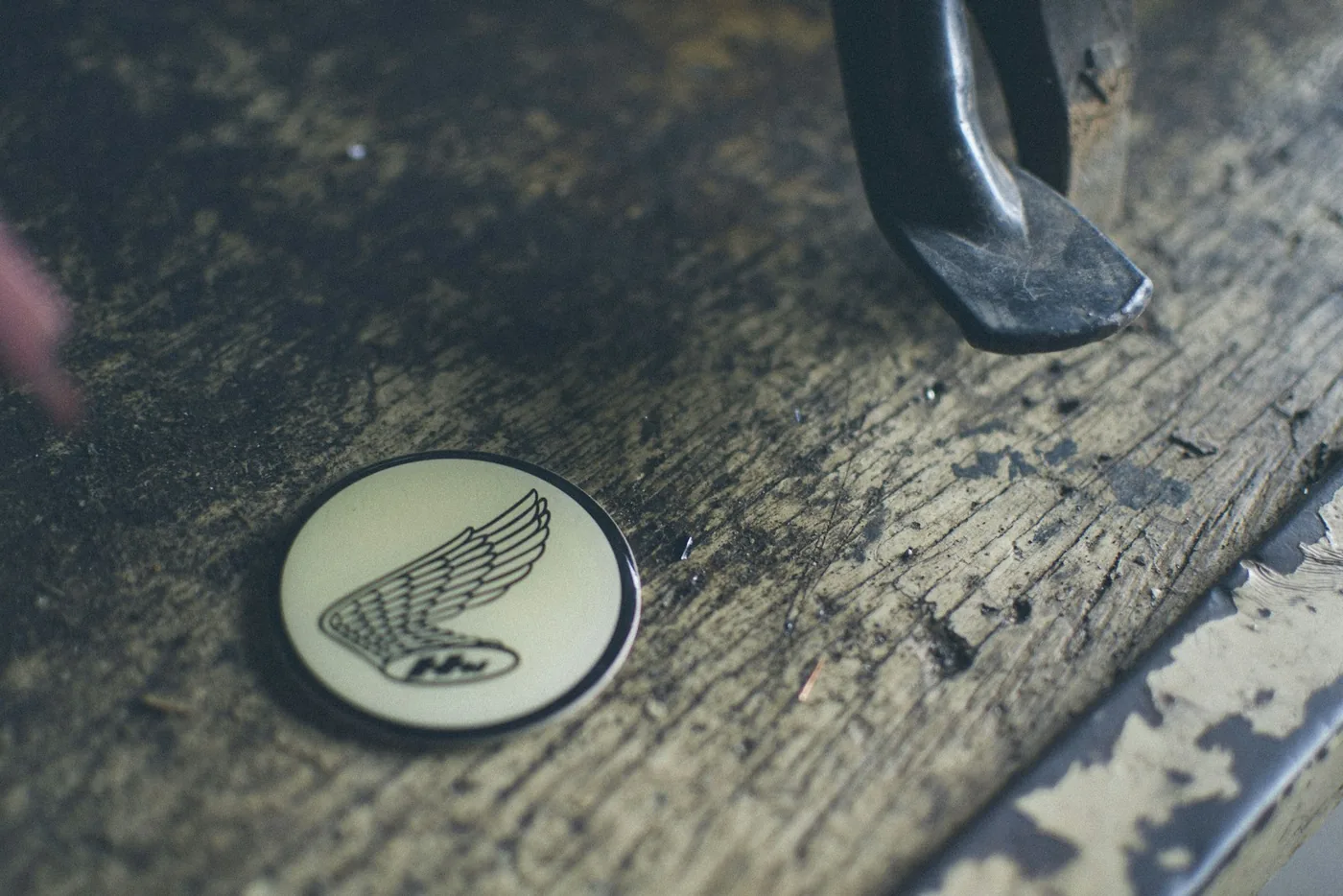
| Badge, emblem or decal only | Any of the above | By type code and year | Sometimes the panel, where the badge was moulded in | Genuine supply, where still catalogued |
| Something nobody makes any more | Long-discontinued machines | By elimination | A decision about a used panel or fabrication | Our discontinued-parts route |
Genuine panels are ordered by type code, not model name
Honda Monkey is a marketing name covering a great many machines. The parts list is keyed to something narrower: type designations such as Z50J1 or Z50JW, each with its own run of items, and our own archive is organised the same way. Ask for a Monkey side cover and you have asked a question with a dozen possible answers.
A type designation is not a hobbyist’s shorthand. In Japan it is an artefact of the approval system: NALTEC, the national agency formed from the merger of the National Agency of Vehicle Inspection and the National Traffic Safety and Environment Laboratory, carries out type approval and designation testing along with vehicle inspection and recall investigation. The code exists because a government body put it there.
Two things about the way this family is catalogued are worth knowing before you write to anybody. Small genuine parts are frequently listed as left-and-right pairs rather than singly, so the side matters. And many carry a colour code, which is the second half of the order.
That is the reverse of what we tell people about fairings. Gel-coated bodywork has no colour to get wrong; a genuine painted panel has almost nothing else to get wrong, because it will arrive in whatever colour the code says. Start from the frame, as our page on identifying a part by frame number sets out, and see genuine Honda parts for how that supply works.
The chrome cover kit, a Thai answer to the same problem
On Thai-market underbones the habit is different and the English-language web knows almost nothing about it. Rather than chasing a faded original, owners replace the panels wholesale with a chrome-finished cover kit. Our listings carried a chrome cover kit for the Honda Wave125 and a chrome engine cover for the Honda Sonic 125, both under a standing chrome parts heading.
This is an accessory decision rather than a restoration one, and it sidesteps the colour problem entirely because nothing has to be matched. The same shelf runs across the Honda Zoomer and the Honda Monkey, and there is more of it in accessories from Thailand and on our Thai-market parts page.
Rebuilt machines take a third route again. Aluminium panels made to replace the standard bodywork exist for the small commuters, and they assume whatever else has already changed underneath them.
It is usually the rubber that failed
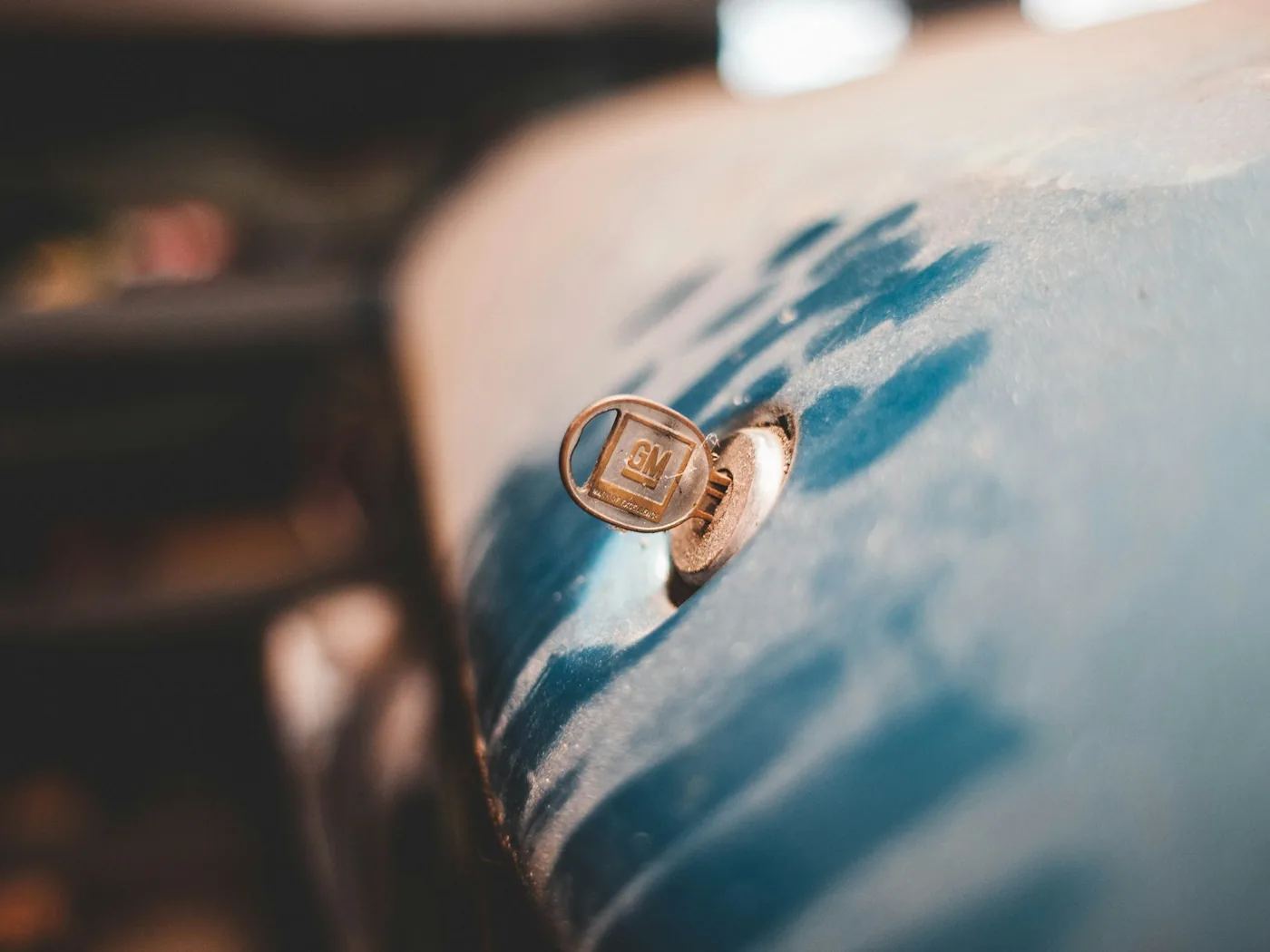
A side cover is rarely lost because it broke. It is lost because the grommet perished, the panel worked loose on the ride home, and it is now somewhere on a road in another province. Ordering the panel without the rubbers repeats the fault.
Our Yamaha SR400 and Yamaha SR500 listings carried a long run of these small items — seat lock rubbers, tank lock rubbers, fender locks and their caps — and the Honda Dax and Monkey listings ran to Thai-labelled rubber parts and a tool box. Ask us for the mounting parts as well as the panel; we will not guess which ones your machine wants, and our 4Mini parts page explains why we do not publish interchange charts.
Questions we are asked about side covers
What if the panel is not made any more?
It happens often on machines of this age, and it is a real answer rather than a brush-off. We check what the manufacturer still supplies, and where nothing is available our page on discontinued motorcycle parts sets out the routes that remain. Restorers have been fabricating side covers for decades because of exactly this.
Can I order the left one only?
Usually, and it is worth saying which side at the start. Genuine small parts for this family are often catalogued as left-and-right pairs, so the listing and the price may cover both whether you want both or not. Tell us which side went missing.
Do I need the colour code?
If the machine still wears its original paint, send it or photograph the plate that carries it. Without it the panel can only be ordered as unfinished or in whatever is currently catalogued, which may not be the shade beside it on your bike.
Sending us enough to price a side cover
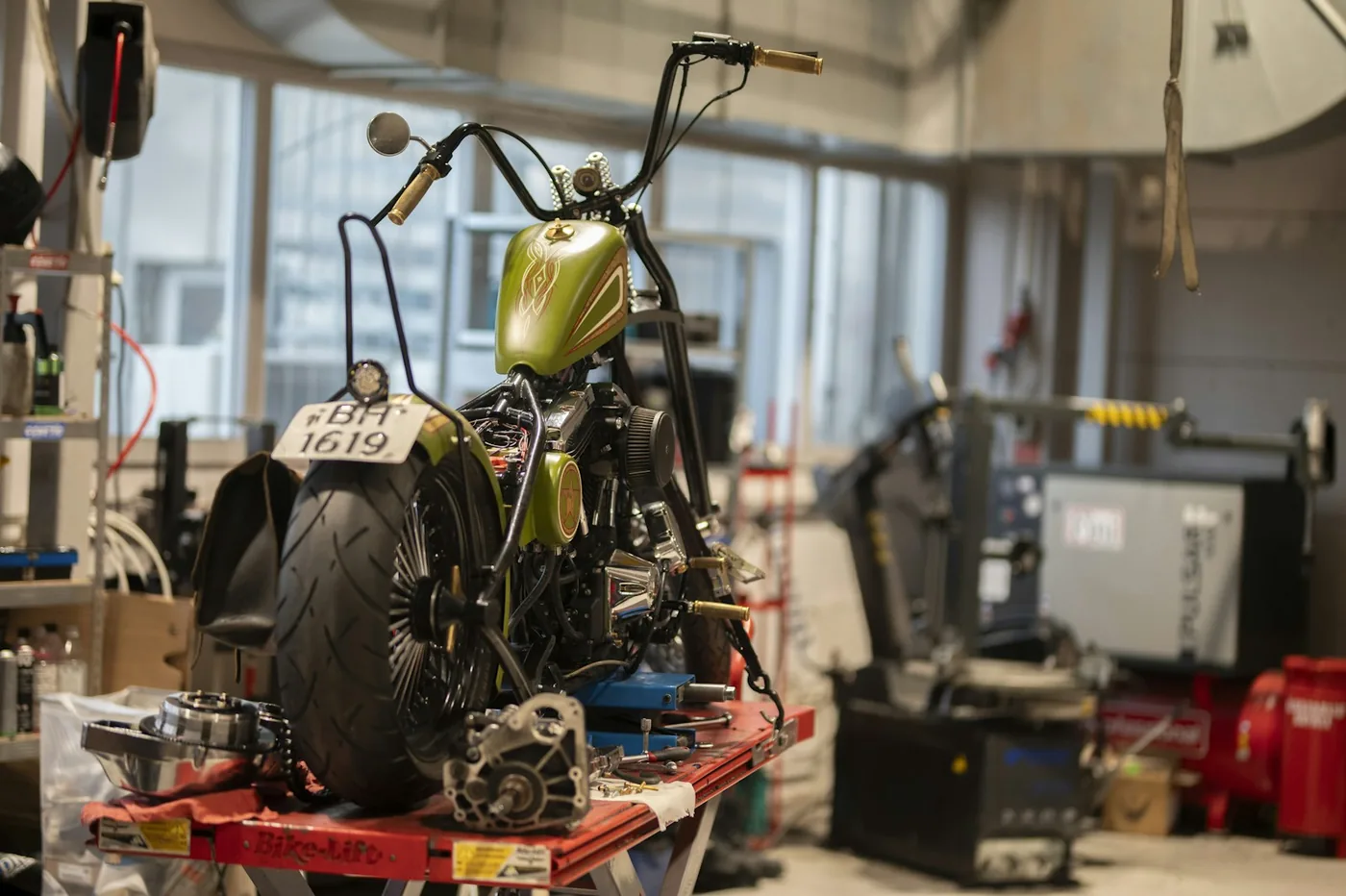
A part number settles it outright. Failing that, name the panel, give the frame number, and say which side you need. Photograph the panel you still have, the bare mounting points where the missing one sat, and the colour plate if the machine carries one.
Tell us the destination country and how many you want, then use our bodywork quotation request. We check the source in Japan or Thailand and reply with a price in Thai Baht by email.