
Motorcycle electrical parts are ordered against a system, not against a badge, and the system is the thing no catalogue puts in its index. A six-volt machine and a twelve-volt machine can carry the same name on the side panel and have not one component in common.
One name over two systems that never meet
When the genuine listing for the small Hondas was laid out in our own archive, the electrical items had to be split into a six-volt group and a twelve-volt group. Lighting, ignition components, instruments and even the control cables diverge between the two, so one combined list would have been wrong for half the people reading it. A six-volt machine takes its own brake, clutch and throttle cables, and its own speedometer cable.
None of that is visible in a model name, or in a photograph of a complete motorcycle, which is why an enquiry giving only the model and the part cannot be answered as it arrives. Our parts index is organised by category and by machine, the way a buyer expects to shop. Electrics need a third axis on top of those two, and this page is where it is explained.
Which electrical system is on the machine in front of you
The table is a triage tool, not a fitment chart. It sets out the system generations that turn up under the names we deal in, and what we would need before looking anything up. Nothing in it claims that a particular model is a particular system, because both exist under several of the same names.
| System | How it shows | Specific to it | Parts source | We need |
|---|---|---|---|---|
| Six-volt, points or early electronic ignition | Battery marking; the frame number is definitive | Loom, switchgear, charging parts, coil, lamps, lenses, cable set | Japan and specialists | Frame number, connector photograph |
| Twelve-volt, carburetted | Battery marking; frame number | Loom, ignition unit, rectifier, regulator, switchgear, lamps | Japan and Thailand | Frame number |
| Twelve-volt, fuel-injected 125s | Injection, electronic instruments | Control unit, sensors, injector, harness, immobiliser where fitted | Japan and Thailand | Frame number |
| Thai-market road models | No local fiche abroad | Thai-specified throughout | Thailand | Frame number |
| Already converted | It no longer agrees with itself | Whatever the conversion brought | Depends what was used | Photographs of what is fitted |
Read down the last column and the point makes itself. Whichever row you land in, the answer returns to the frame number and a photograph, because those describe the machine rather than the badge.
The divergence reaches past the wiring itself
What catches people out is how far the split travels. Voltage looks like a heading that ought to govern bulbs, a battery and a rectifier and stop there. In practice it reaches the instruments, the lenses and the cable set, and the European specialists who have served this class for years split their listings the same way, including sections with nothing obviously electrical about them.
So we do not treat a lens, a bulb holder or a speedometer cable as a trivial line on an order, because any of them can be system-specific. The lighting and instrument items recorded for a given machine are set out on the model pages, so the Honda Monkey page is the better place to see what has actually been listed, and the Dax page does the same for that family.
Going from six volts to twelve is a system change
We are asked about this often enough to deserve a plain answer. Changing a machine from six volts to twelve is not a component purchase. The loom, the switchgear, the ignition switch, the rectifier and regulator and the ignition unit are all part of one decision, and the charging components at the engine bring their own consequences for what they mount to. Owners who set out to buy one item often discover they have started a project.
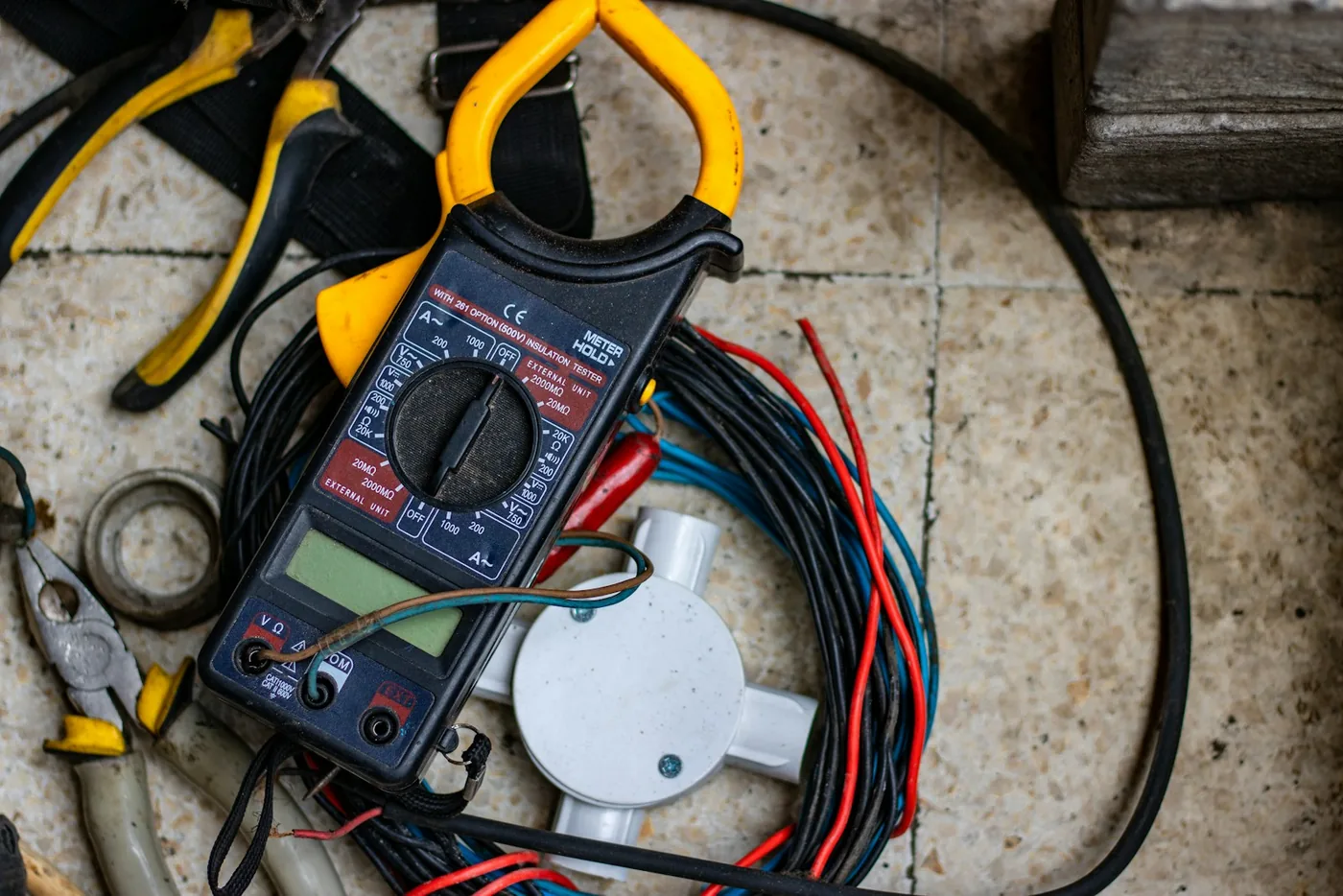
This page will not tell you how to do it, because published rewiring instructions that turn out to be wrong for the machine in front of somebody are a fire risk. What matters commercially runs the other way. If a conversion has been done, the machine no longer matches its own frame number, and a quotation has to be built from what is physically on it. Photographs of the connectors and of whatever is mounted at the engine are worth more than the model year.
Japanese components are specified in a Japanese system
There is a second reason cross-referencing goes wrong, and it has nothing to do with voltage. Machines built for the Japanese domestic market carry components specified against Japanese national standards. The Japanese Industrial Standards Committee describes itself as Japan’s national standardisation body, developing standards across a wide range of products and technologies. Batteries illustrate the family: the Battery Association of Japan, whose site is in Japanese only, lists both national JIS standards for batteries and the association’s own SBA standards.
The consequence abroad is that matching a Japanese-specified component to a local equivalent by appearance is guesswork. We publish no standard numbers, battery type codes or fitting designations here, because none has been verified for any particular machine. The wider argument about domestic and export specification is made on our Japanese motorcycle parts page.
Common questions about motorcycle electrical parts
Can you tell from the model name whether a machine is six-volt or twelve-volt?
No, and we would rather say so than guess. Several of the names we deal in cover both, across a long production history and more than one market. The frame number separates them, and where a previous owner has changed things, photographs settle what the frame number no longer can.
Do I have to convert my machine to twelve volts to get parts for it?
That is not a decision we would make for you. Six-volt components are still catalogued and still made by specialists who serve this class, so a six-volt machine is not automatically a dead end. What we can do is look at what is obtainable for the machine as it stands.
The part has no visible fault and no readable markings. What then?
That is the normal condition of electrical parts rather than the exception, which is why identification falls back on the frame number and on photographs of the mounting and the connectors. If the part carries a legible number, send it, because a part number search is the shortest route we have. Where nothing is readable, describe where it sits and what it connects to.
Sending us an electrical enquiry
Give us the part number if you have one. Failing that, the name of the part with the frame number of the machine, the country the parcel is going to, and the quantity. Photographs of the item and of the connectors it plugs into are worth including every time, and so is a note of anything a previous owner has changed.
Send it through the quote form under the electrical category and we will check the supply source in Thailand or Japan and come back by email with a price in Thai Baht, quoted CIF, meaning the part plus shipping to you. Once an order has shipped it cannot be returned to Thailand except where there is a manufacturer’s fault, a further reason to settle the six-volt or twelve-volt question before anything is packed.