

Motorcycle gasket sets come in two broad scopes, and buying the wrong scope wastes an international shipment. Work out how far into the engine you are going before you look at a single brand name.
Decide the scope before you decide the brand
Riders argue about gasket brands endlessly, and it is the wrong argument to have first. The question that costs money is whether the job ahead is a top-end job or a full strip. That decides which set you need, and the two are not interchangeable.
A top-end set is bought when the head comes off and the cases stay together. A complete set is bought when the cases come apart, and it already contains the top-end set, which is worth knowing before you order both.
Sealing parts sit inside the wider engine group on our motorcycle parts page and behave differently from the rest of it. A cylinder or a clutch basket is one item with one identity. A set is a bag of small items whose contents vary between makers, which is why we confirm what is in a particular set when we quote.
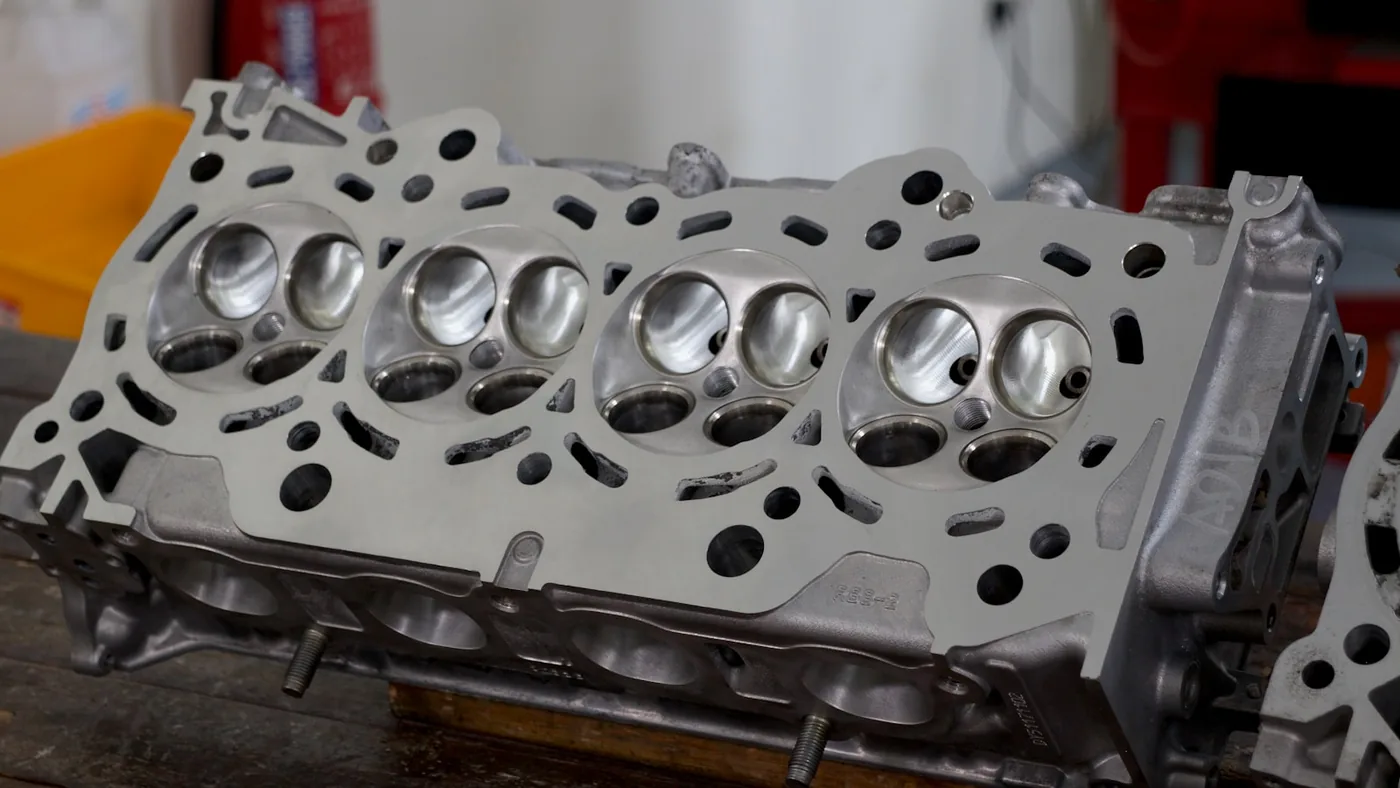
Which motorcycle gasket sets cover which job
The table works from the job outwards. Find the row that matches what you are doing, then read the last column, which is the part only you can answer.
| The job you are doing | What you order | What it covers | What it does not cover | What we need from you |
|---|---|---|---|---|
| Head off, valves or cylinder only | Top-end set | Head, base and exhaust gaskets with the valve seals and O-rings for the top end | Anything below the barrel, and the case halves | Frame and engine number, and whether the bore is standard |
| Cases split, full rebuild | Complete set | Everything in the top-end set plus the case and bottom-end gaskets | Oil seals, on most sets | Frame and engine number, and the standard-or-modified answer |
| One cover leaking | A single gasket | That cover alone, such as a clutch cover, rotor cover or cam cover | Everything else on the engine | The cover name and a photograph, or the part number |
| Exhaust or manifold joint | A single gasket | The joint itself | Everything else | The machine, and how many joints you are opening |
| Anything with seals in it | An oil seal kit, usually sold apart from the gaskets | Crank, gearbox, fork and swingarm seals where offered | Gaskets | Which seals, and the engine number if they are internal |
| A bored-out or otherwise modified engine | A set matched to the bore actually fitted | The cylinder that is on the machine now | A standard-bore set will not do | What has been done to the engine, not the model name |
The failure it prevents is buying the top-end set when the cases are coming apart, or a standard set for an engine somebody bored out fifteen years ago.
A modified engine does not take a standard-bore set
Head and base gaskets are cut to a bore. If the cylinder has been opened out, a set made for the standard bore is the wrong shape at the one place that matters. Specialists elsewhere label sets for stock bore precisely because the split exists and the buyer is expected to know which side of it they are on.
On a machine bought second hand that knowledge is often missing: nobody wrote it down and the previous owner has gone. Measure before ordering, or send photographs and measurements and let us work from them.
Bore-up kits are normally supplied with the gaskets they need, so a separate set is what you buy when you are not buying a kit, or when the kit’s gaskets have already been used and the head is coming off again. Everything else about bores and pistons belongs on our motorcycle piston kits page rather than here.
Genuine, old stock or reproduction
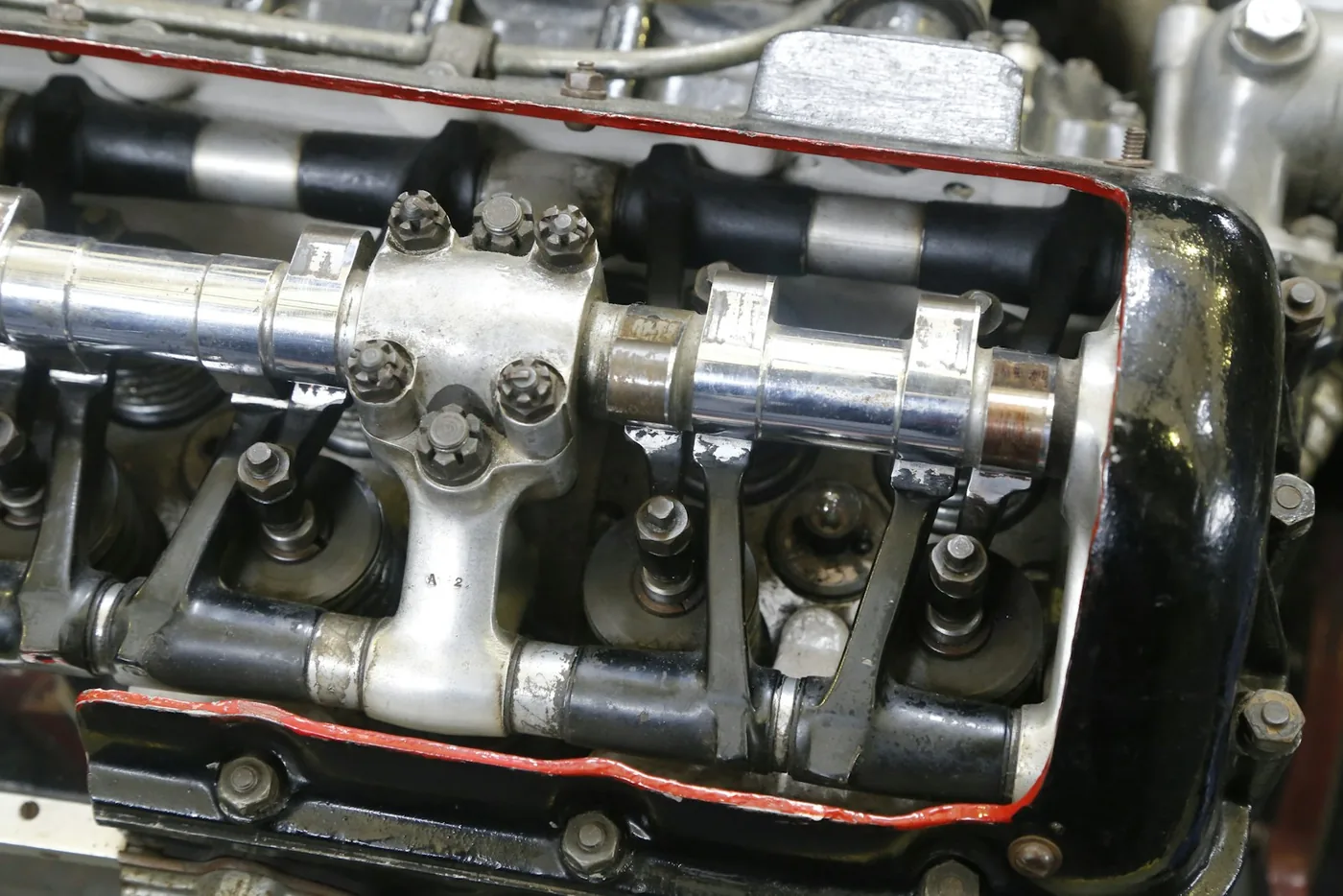
For the older Japanese engines this shop works on, a gasket is not simply available or unavailable. It falls into one of three states, and our page on genuine Honda motorcycle parts sets out that framework properly. Gaskets are where the framework bites hardest.
The consequence specific to sealing is worth stating on its own. A paper or fibre gasket that has sat in a factory bag for forty years is not automatically the better bet. Paper hardens, composite layers stiffen, and a set that looks like treasure on a shelf may seal worse than a current reproduction.
Anyone stripping a genuinely old engine also meets an unknown material question. Asbestos was historically used in sealing and packing products, Japanese regulation restricted and then removed it, and manufacturers in that industry publish their own reference material on the subject. NICHIAS, a Japanese sealing manufacturer rather than a motorcycle supplier, keeps an English overview of its sealing business alongside gasket and asbestos reference sections largely in Japanese. Treat unidentified material in an old engine with care, and read what the material makers publish rather than guessing.
Sealing is one job, and gaskets are best added to a larger order
Oil seals are usually sold apart from the gasket set, which surprises people halfway through a rebuild. Crank, gearbox, fork and swingarm seals all belong to the same task of stopping oil going where it should not, but almost nobody groups them that way. Ask for them alongside the gaskets and you will not be waiting on a second parcel.
The commercial point follows, and we would rather say it plainly. Air freight from Bangkok makes very little sense for one small gasket on its own. That same gasket costs almost nothing to add to a bodywork panel, an exhaust or an engine order already being packed.
So treat gaskets as the thing you add rather than the thing you start with. Tell us everything you expect to need, including the joints you are only thinking about opening. Individual exhaust and manifold gaskets sit with the pipework on our motorcycle exhaust parts page, and are the classic part best ordered with the thing it seals.
Questions we are asked about gasket sets
Do I need a top-end set or a complete set?
If the crankcases stay bolted together, the top-end set is the one. If they come apart, the complete set covers both and makes the smaller one redundant. When you are not sure how far the strip will go, say so and we will quote both.
Does the set include the oil seals?
Usually not. Most sets stop at gaskets and O-rings, and seals are a separate kit or separate items. It varies by maker, so we confirm what a set actually contains as part of the quotation.
What if the set turns out to be wrong?
Goods that have shipped cannot come back to us except where the manufacturer is at fault, and parts cannot be returned into Thailand at all. Wrong-scope orders are the easiest mistake in this category, so answer the table’s last column carefully before anything is packed.
What to send us for a gasket quotation
Start with the engine number. Honda’s own catalogues identify engine parts from the engine number rather than the frame number, and on a machine that has passed through several owners the two often describe different histories. Send the frame number too, and say whether the engine is standard or modified.
Then name the set or the individual gasket you want, or send the part number if you have one. A photograph of the cover or joint you are dealing with removes most of the guesswork where the name is uncertain. Add the destination country, the quantity, and the rest of the order it should travel with, and send it through our engine parts quotation request. We price in Thai Baht and reply by email.