
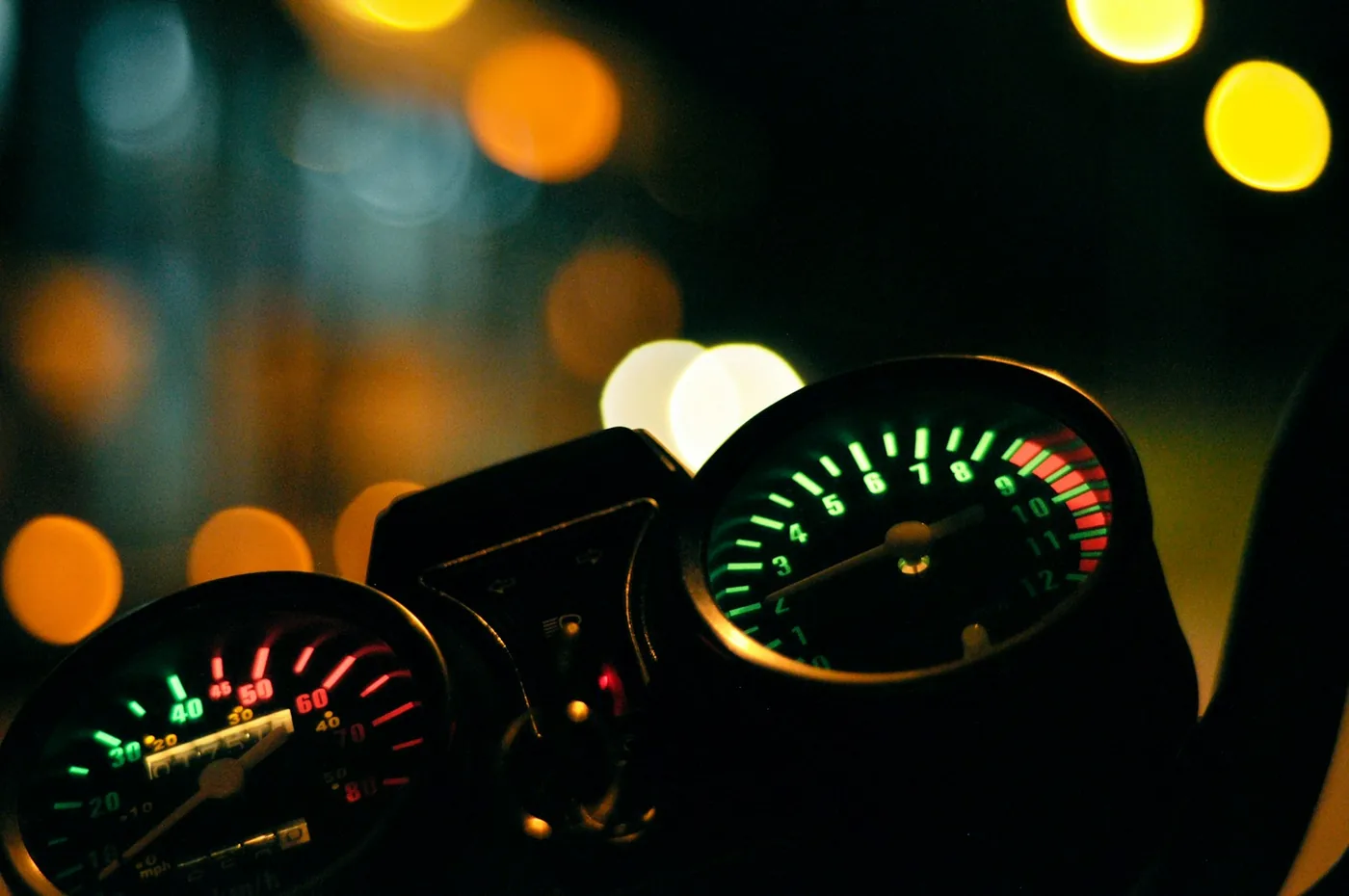
The motorcycle instrument parts people write to us about are hardly ever the instrument itself. They are the bulb behind the dial, the rubber it sits in, the lens over a warning lamp, or the cable that turns the needle.
The instrument is not one part
Marketplace listings sell a meter as one object, chosen by how it looks. Our own listings for the small Hondas do not. Behind a single dial they carry six separate lines: the meter bulb, its socket, the grommet rubber seating it, the warning-lamp lens, the rubber the meter mounts on, and the holder it sits in.
Two of the six appear twice over, once in each of the two electrical systems these machines were built with — a split our motorcycle electrical parts page sets out and this one does not repeat. The same instinct runs through our parts catalogue: an assembly is priced as the things that have to arrive together.
It holds outside the small Hondas. The SR listings carry a meter holder as its own line, and one cable entry covering speedometer, clutch and rev counter together. On a Yamaha SR400 the holder is what fails to arrive with the meter.
Which motorcycle instrument parts have actually stopped working
Almost every enquiry starts as a symptom rather than a part name. The table sorts by what has stopped, and its fourth column names the cases that are not ours.
| What has stopped | What it usually is | What else it drags in | Whose page it is | What we need from you |
|---|---|---|---|---|
| The needle does not move at all | The cable, or the drive at the wheel end | If it is the drive, this is a wheel job | Cable here, drive on wheel parts | Frame number, and photographs of both cable ends |
| The needle moves but reads wrong | The wheel or the tyre has been changed | The whole drive question | Wheel parts, not here | Frame number, and what wheel and tyre are fitted |
| The dial goes dark at night | The bulb, its socket, or the grommet | Which electrical system the machine is | Here, with electrical | Frame number, and a photograph behind the meter |
| A warning lamp has gone dark | Bulb, socket, lens or the wire to it | Nothing, unless the switch is at fault | Here | Frame number, and a photograph of the lamp and its lens |
| The lens is cracked, crazed or missing | On some machines the lens is listed alone | Usually nothing | Here | A photograph of the lens in place, and the frame number |
| The instrument rattles or sits crooked | The mounting rubber, or the holder | Nothing | Here | A photograph of how it mounts, and the frame number |
| The whole instrument is finished | A complete meter, cable-driven or sensor-driven | The mount, the cable, sometimes the mirror stay | Here | Frame number, photographs of the meter and its mounting |
| You want a reading the machine never gave you | An added gauge, not a repair | Where it mounts and what it reads from | Here, or accessories | What you want to read, and where it could go |
| The front end has already been changed | The standard cable no longer reaches | Length, routing, and the drive at the bottom | Here and wheel parts | Photographs of the whole front end |
Two of those rows send the work elsewhere on purpose. A category that claims everything gets orders wrong.
The warning lamp is four parts, not one
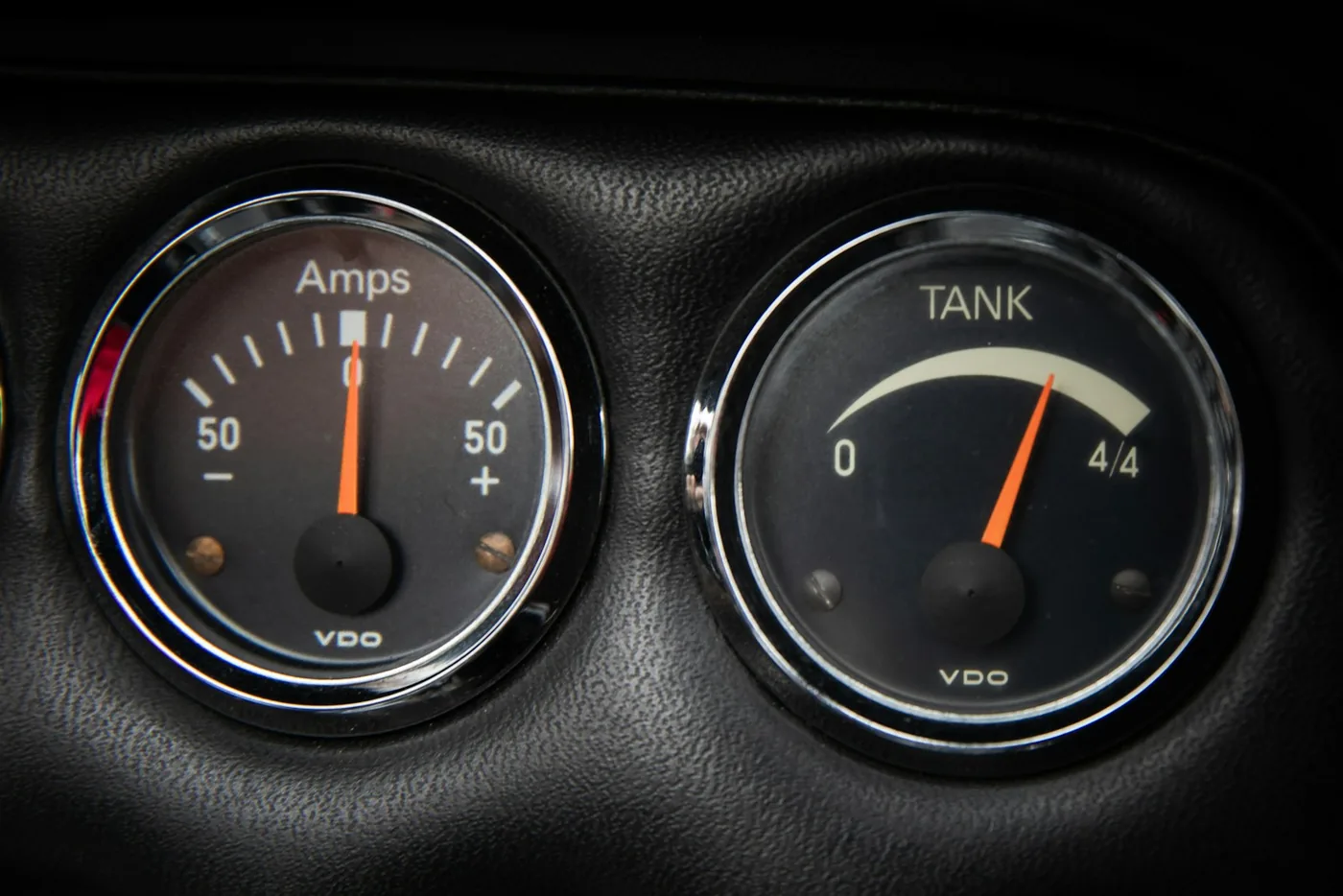
Somebody whose neutral light has gone dark writes asking for a neutral light. Our small-Honda listings break that lamp into four items: the bulb, the socket it sits in, the coloured lens in front of it, and the grommet rubber holding it in the panel. Any one of them can be why the lamp is dark, and only a photograph says which.
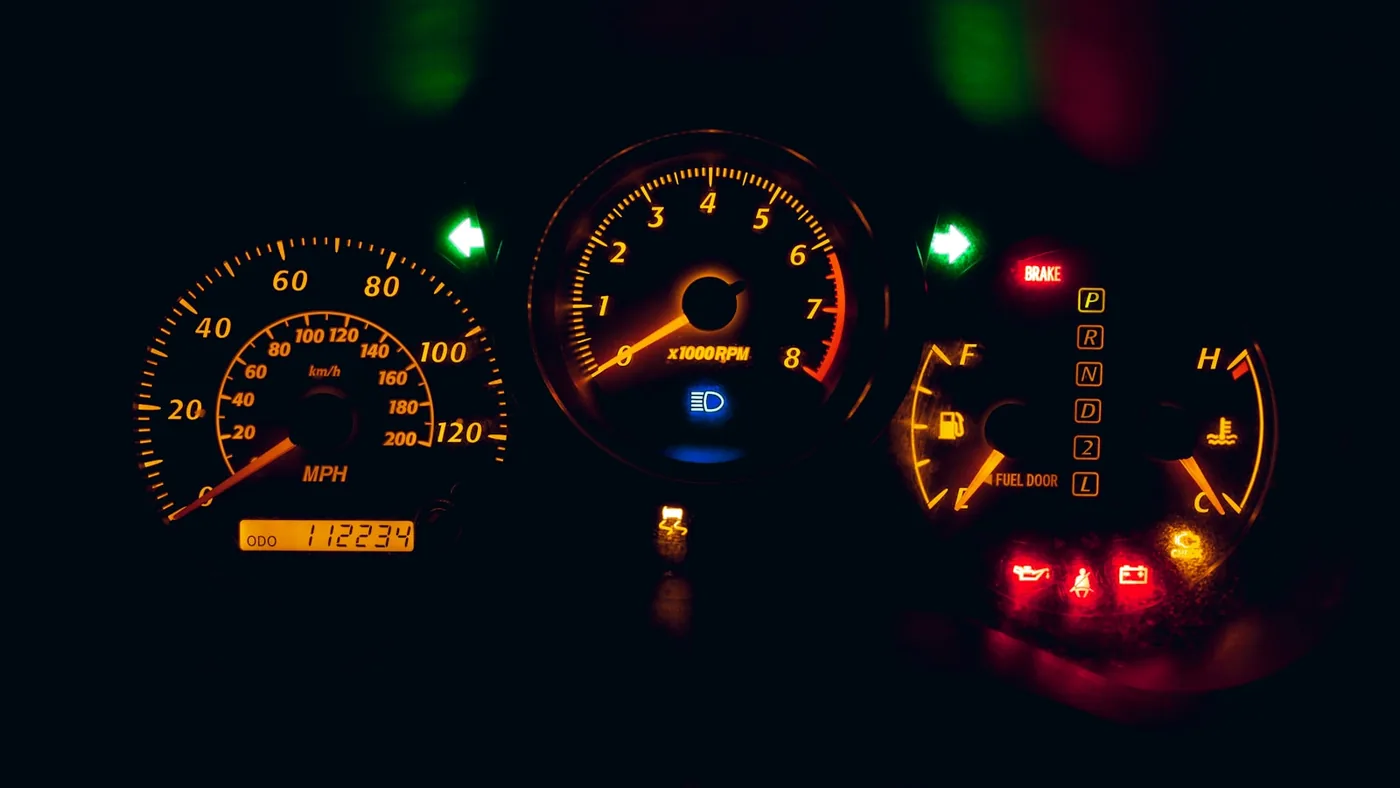
The lens is a coloured, separately catalogued part for a reason that predates any of our listings. In the United States, the federal standard for motorcycle controls and displays, published by the Government Publishing Office, gives neutral indication as a green display lamp, and gives the speedometer as a display illuminated whenever the headlamp is activated.
That is an American standard and we quote it as American; what your own country requires is for your own authority. But it explains the shape of the catalogue: a lamp specified by colour becomes a coloured part with its own line, and a dial required to light needs a bulb, a socket and a grommet behind it.
The cable is the usual answer, and it is not one length
The speedometer cable has its own recurring thread on eight separate owners’ forums, spanning four decades of machinery. We have quoted none of them, but the pattern matches ours: the cable is the commonest instrument failure.
It is also not a single item. Our archive lists a speedometer cable in a six-volt group, a separate one for the Monkey-Baja, one described simply as long, and another longer than standard. The cable is chosen against how the machine is built, not against the badge on the tank.
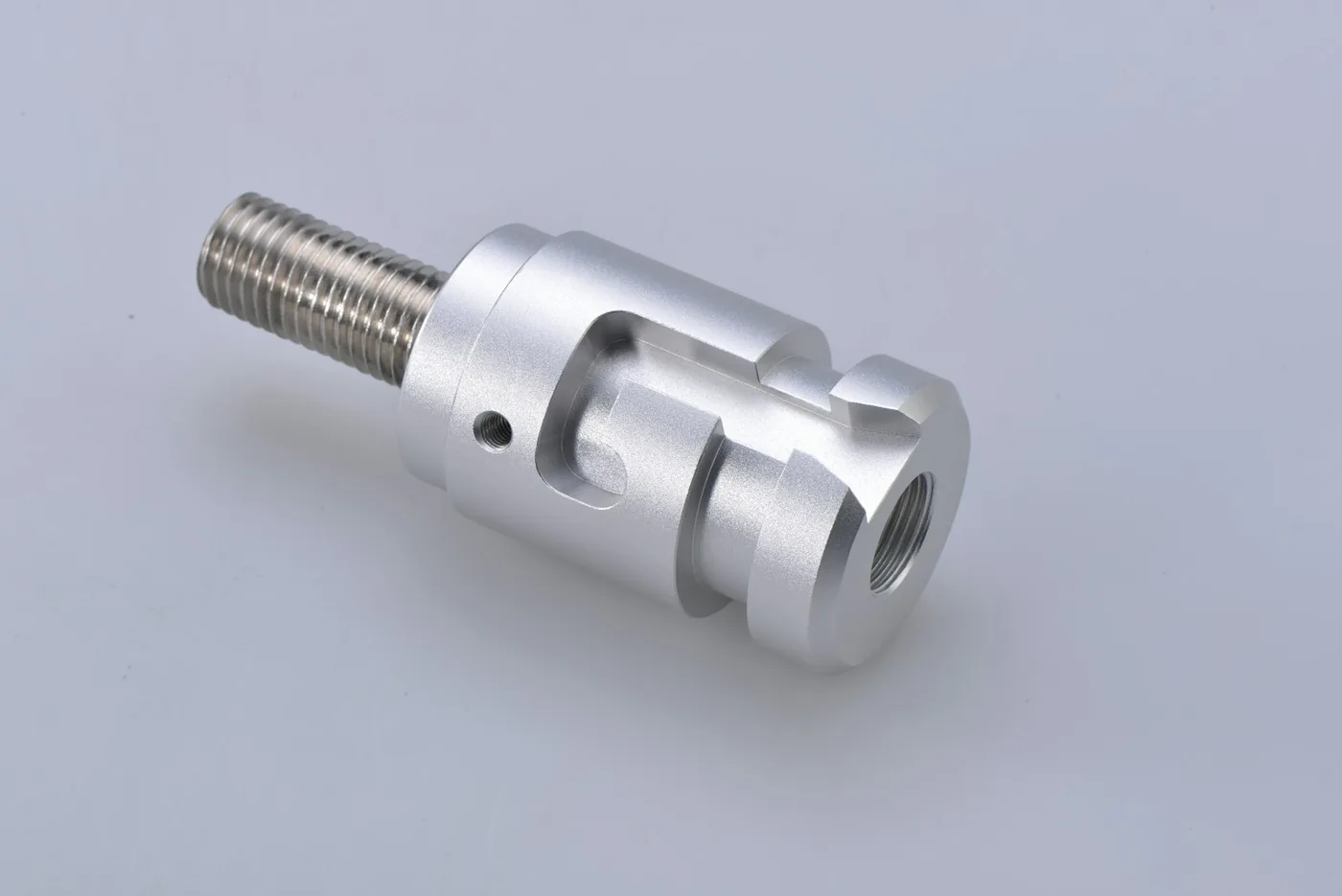
At the bottom end the cable meets a geared drive that lives in the wheel, and everything about that drive belongs to our motorcycle wheel parts page. Send a photograph of both ends of the cable and we can tell you which half of the job you are in.
Replacing the meter disturbs more than the meter
A complete instrument is rarely a single-line order. Our own Zoomer listing put a separate rear-view mirror stay against the plain note that it needs to be installed with the speed meter — fitting a different instrument had displaced the mirror mounting.
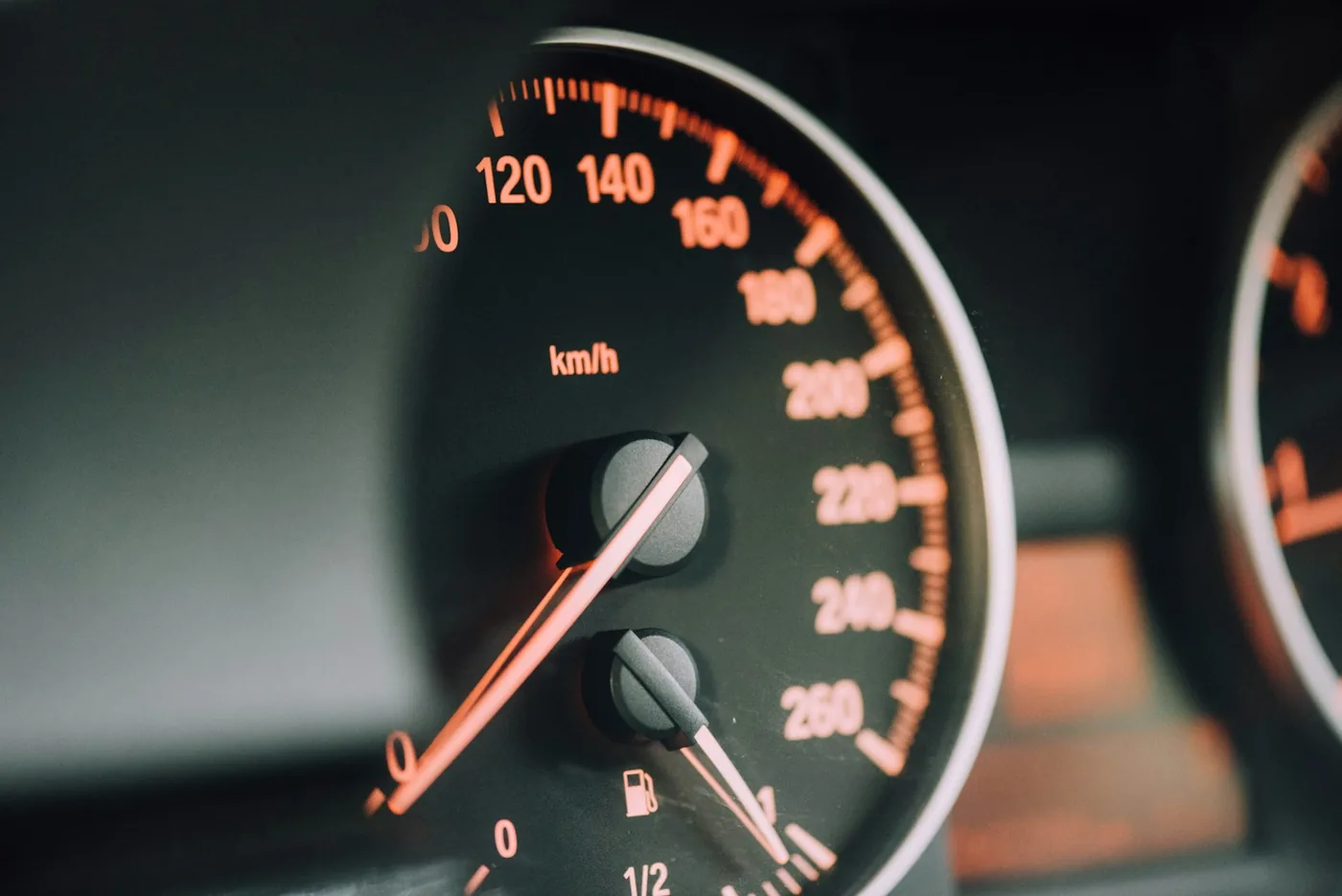
That listing is this page in miniature: one item on an invoice, several in the box, and a mirror that has to move.
Before anything comes off, write down what the odometer reads and photograph it. What your own registration or inspection authority requires of that figure differs by country, and is for them to tell you rather than us.
Questions we are asked about meters and their small parts
Can you supply a gauge the machine never had?
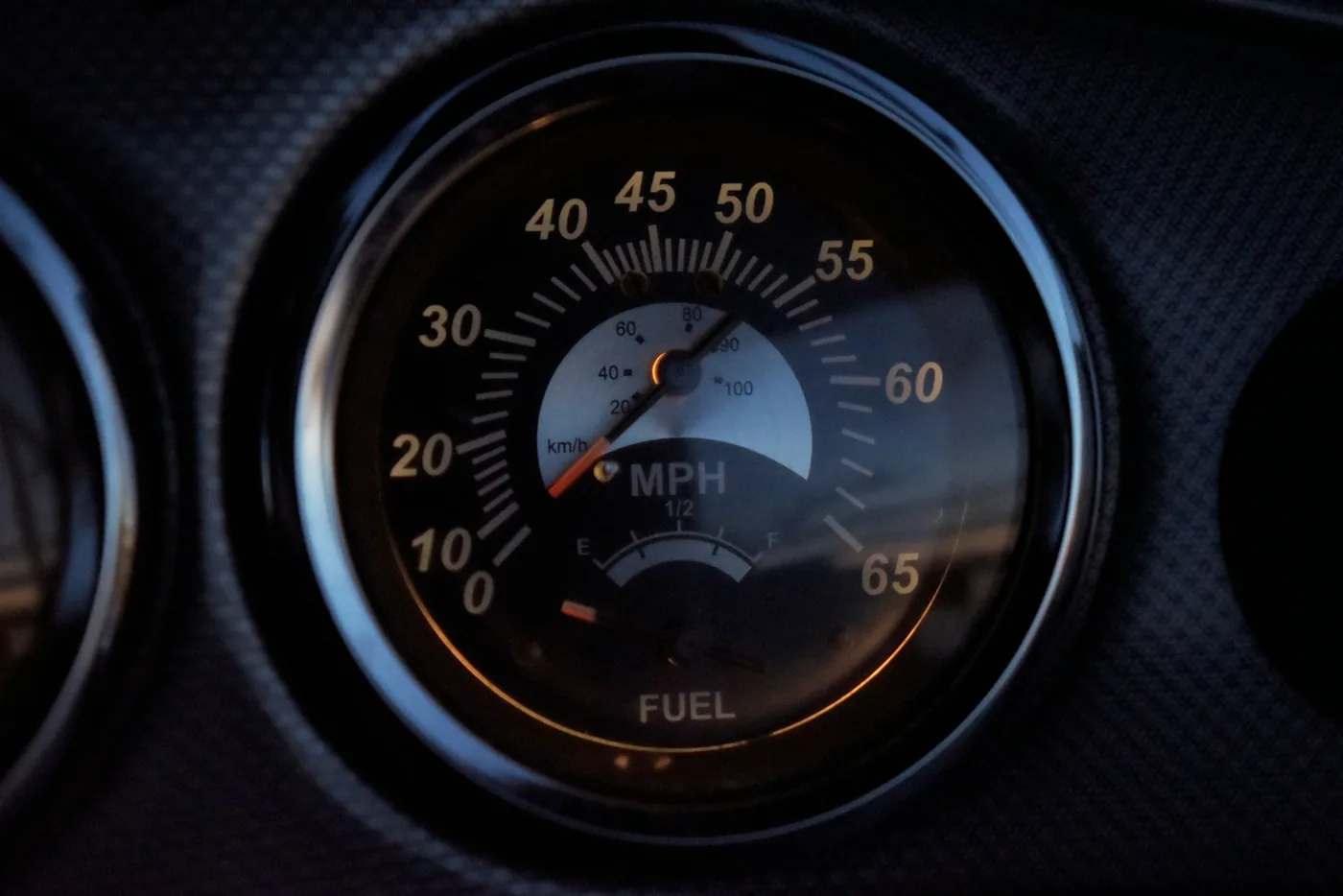
Sometimes. Our archive includes an LED gear-position indicator for the small Hondas, whose factory instrument gave a neutral lamp and nothing else, and a dip-stick oil temperature gauge replacing the filler dipstick. Added gauges sit closer to Thai accessory goods than to instruments, so tell us what you want to read.
Is the meter from a different small Honda the same meter?
Not something we will settle from two model names, and our 4Mini parts page explains why we publish no interchange chart. These items are catalogued separately, and the frame number decides which line applies.
Can you repair an instrument or reset its reading?
No. We supply parts and, where a source has one, a complete meter; nothing in this shop’s records says it repairs, opens or recalibrates instruments. Send photographs of a gauge that reads oddly and we will say whether a part helps.
What to send us for an instrument quotation
The frame number does the heavy lifting, because it fixes which of several catalogued lines belongs to your machine. Add a part number if you have one, or the part name if not, with the destination country and the quantity.
Photographs matter more here than on most categories: the instrument fitted, the back of it, and how it mounts. Say whether the needle is turned by a cable, and whether anything at the front end has been changed. Use the electrical parts quotation form, or the accessories quotation form for a gauge the machine never carried. We check what the source in Thailand or Japan holds and reply by email in Thai Baht.