
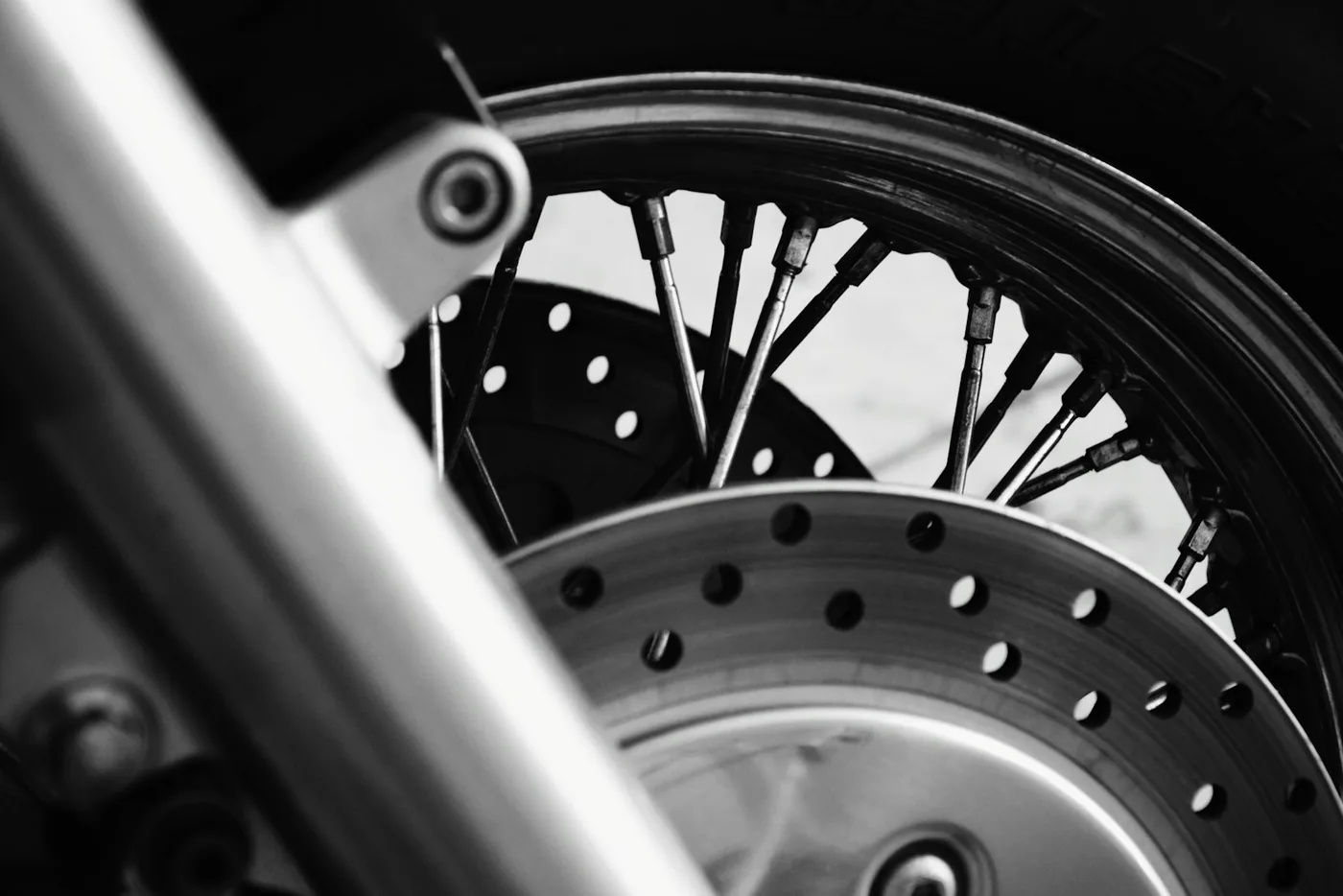
Motorcycle brake parts are filed under a model name in almost every catalogue a rider will already have tried, and on the small Japanese machines we deal in, the model name is the one thing that does not settle the question. Two bikes wearing the same badge, built thirty years apart, share almost nothing at the wheel.
What actually decides which motorcycle brake parts fit
A braking enquiry nearly always arrives in the same shape. The rider names the machine, names the part and asks whether we can get it. On a mid-sized road motorcycle that is enough to work from. On a Z50, an ST50, a Chaly or a Gorilla it is the opening of a conversation, because the badge spans decades of production, more than one electrical generation, and a long history of owners changing wheels and forks.
This page is therefore not a brake department. It sits under the wider parts index as the layer explaining what must be established before anything at the wheel can be priced.
Six things that change the answer
The table below is not a fitment chart and is not going to become one. We have set out on our 4Mini parts page why we will not publish an interchange table for this class: a fitment claim the shop cannot stand behind is worse than no claim at all. What follows is the set of questions that decide the answer instead.
| What varies | Why a general catalogue misses it | What it changes at the brake | What settles it |
|---|---|---|---|
| Six-volt or twelve-volt generation | Voltage is an electrical heading everywhere else, so no brake catalogue indexes it | Cable patterns and lengths, and the switch fittings on the lever and pedal | Frame number |
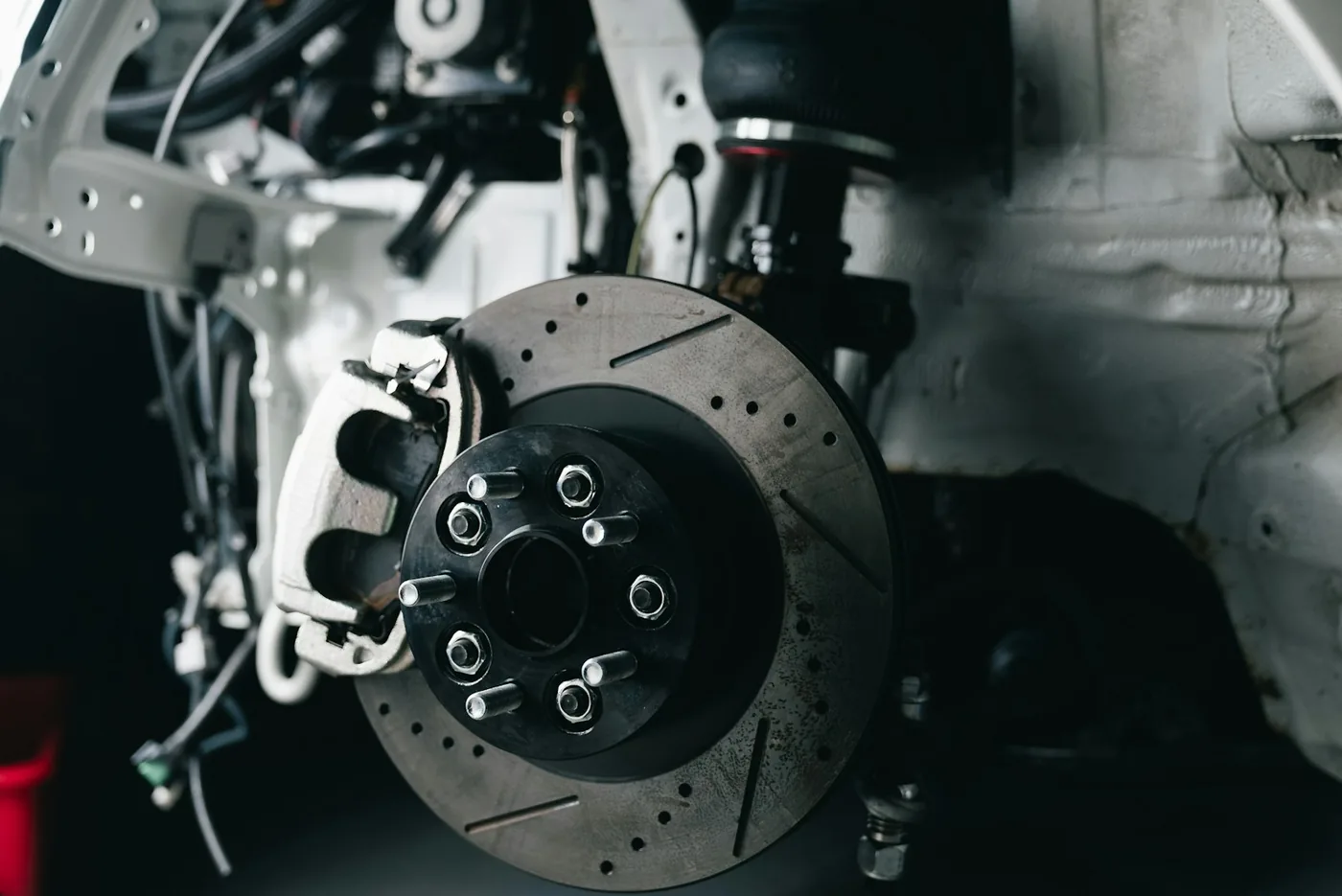
| Drum or disc, front and rear | The catalogue assumes a hydraulic disc as the default | Shoes against pads, cable against hose, hub against rotor | Frame number, plus a photograph of the wheel |
| Wheel diameter as fitted | Assumes the wheel is the one that left the factory | Whether a caliper and bracket physically clear | A photograph, and the wheel size if known |
| Fork type as fitted | Assumes the standard fork is still fitted | Caliper mounting, hose routing, mudguard clearance | A photograph of the front end |
| Classic family or current 125 | Treats one model name as one machine | Two unrelated parts economies | Frame number |
| Market the machine was built for | Sells one market’s catalogue only | Whether a parts fiche for it exists at all | Frame number |
Every row lands in the same two places. Give us the frame number and a photograph or two, and most of the table answers itself.
Cable and drum, not hose and disc
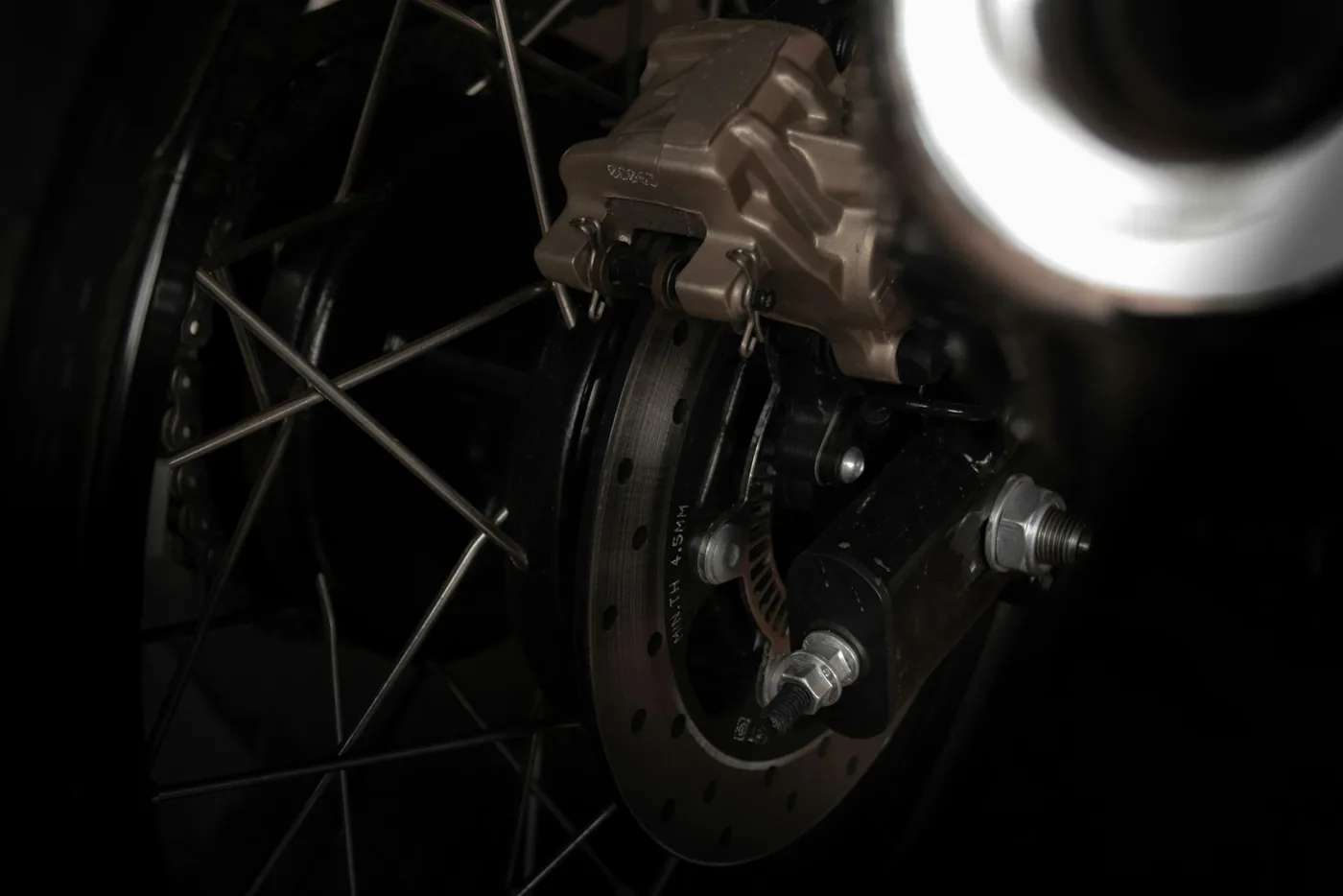
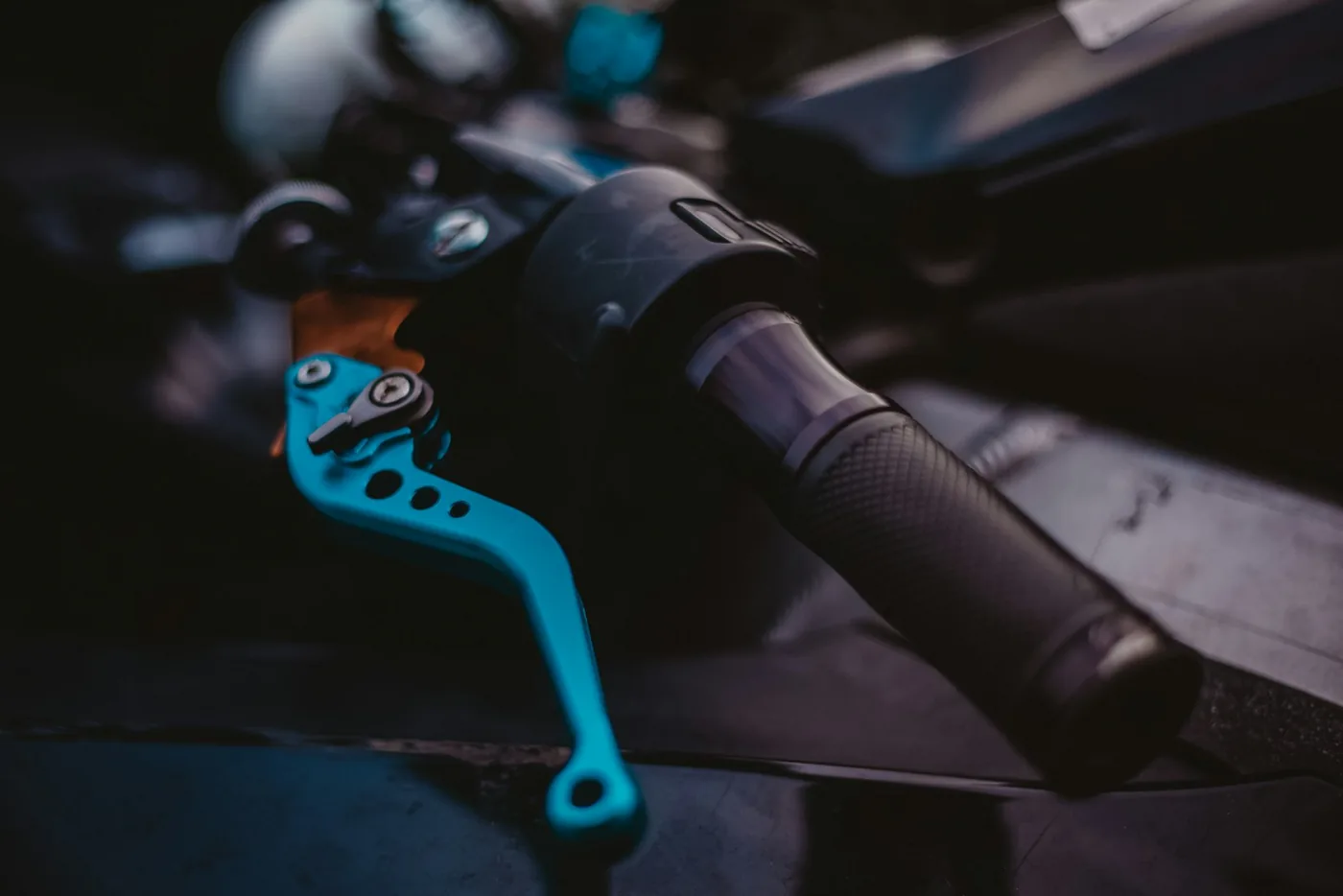
The shops that dominate this search term are written for hydraulic disc systems: pad compounds, fluid grades, bleeding, braided lines. A good deal of the machine population we serve has none of that at either end. It stops on a lever, a cable or a rod, a cam inside a hub, and a pair of shoes pressing on a drum.
The failure modes are correspondingly different: a cable corroded inside its outer, a worn brake arm and cam, a stretched rod, an adjuster at the end of its travel, or linings worn down. None of those are solved by ordering a pad set.
For a sense of what an inspection regime genuinely looks at, the New Zealand Transport Agency’s vehicle inspection requirements for motorcycle service and parking brakes are unusually clear. They require that a brake be in good condition and that friction surfaces stay within safe tolerance of their manufactured state, and they list rejection where a brake cable is knotted, frayed or excessively corroded, or where an actuating rod or guide is excessively corroded or worn. That is New Zealand’s standard and applies in New Zealand. It is cited only because it describes the cable and rod wear that governs this class.
A brake upgrade here is a wheel and fork decision first
Riders ask us for a front disc conversion far more often than they ask for pads. It is a reasonable thing to want and it is rarely a single purchase. A caliper mounts to the fork leg; a rotor bolts to the hub.
The same applies in reverse. Fit a different wheel size, or a fork kit built around a smaller wheel, and the hardware that will physically clear it narrows sharply. Owners of these machines have been swapping front ends for fifty years, so the bike in front of you is often not the bike the fiche describes. That is why we ask for photographs of the front end, and why model pages such as the Honda Monkey page deal with what has actually been made for a given machine.
Two machines, one name
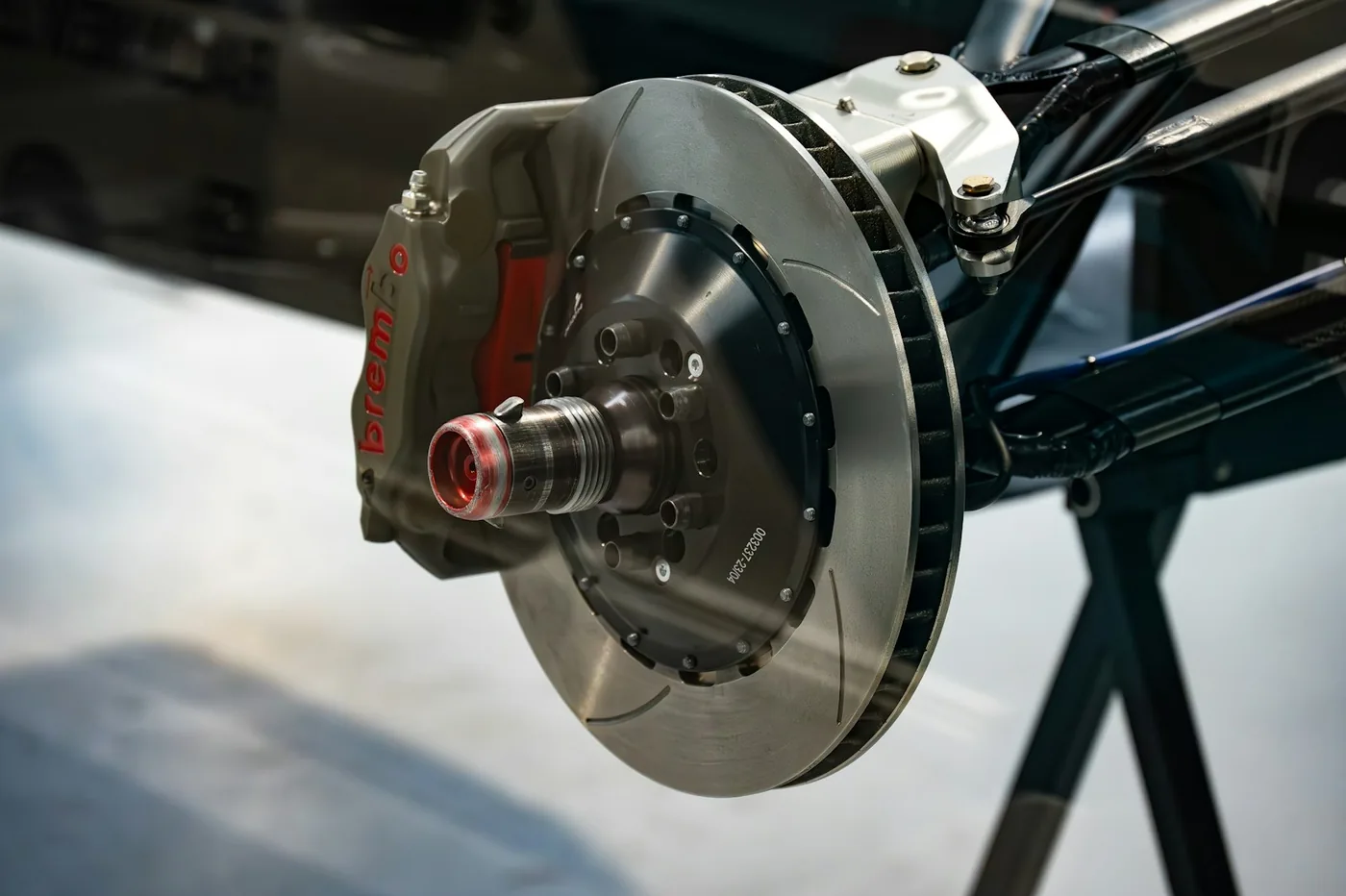
Search for brakes for a Monkey or a Dax and most of what comes back is aimed at the current 125s. Those are recent machines with hydraulic front discs and, in some markets, anti-lock braking. They have their own suppliers and their own parts economy, and none of it reaches back to a Z50 or an ST50.
A rider with a classic machine arrives at those listings, sees the right model name, and finds nothing that will bolt on. Better to say so plainly than let somebody discover it after paying for shipping. The frame number separates the two populations.
Questions we are asked about braking
Should I buy genuine, aftermarket or a copy part?
Our general position on the three is set out on our Japanese motorcycle parts page, and braking is where the distinction bites hardest. Genuine means the item the manufacturer lists, which for a discontinued machine may no longer be listed at all. Aftermarket covers established makers with their own engineering behind them; a copy is an unbranded item made to look like something. We will tell you which of the three we can source, including when the answer is only the third.
Can you tell me whether a part from another model will fit mine?
Not from a model name alone, and we will not guess in writing. What we can do is look at what the fiche for your frame number lists, compare it with your photographs, and tell you what we can obtain. Where non-standard forks or wheels are already fitted, the photographs matter more than the fiche.
What about hoses, fluid and the small hardware?
Banjo bolts, sealing washers, bleed nipples and hose end fittings belong to a hydraulic order and are the items most often forgotten until the job stops. Tell us the hose length and routing, or send a photograph with the existing hose in place. We publish no recommended fluid grade for any machine, because that is a specification claim we have no source for.
What to send us for a braking quotation
Send the part number if you have one from a fiche. If you do not, send the part name together with the frame number of the machine, the country the parcel is going to, and how many you want. A photograph of the wheel and of the front end is worth more than a paragraph of description on this subject, particularly if anything has been changed from standard.
Put that into our quote request form under the braking category and we will check the supply source in Thailand or Japan and reply by email with a price in Thai Baht. Prices are CIF, meaning the part plus shipping to you. Parts cannot be returned to Thailand once shipped, other than for a manufacturer’s fault, so the fitment question is worth settling before anything is packed.