
Japanese motorcycle parts reach a buyer abroad from two different countries, and which one yours comes from depends on where the machine itself was built. We source in Japan and in Thailand, and we despatch from whichever of the two the goods are actually sitting in.
What we mean by Japanese motorcycle parts
Search the phrase and you are shown one of two trades: classics of the 1970s and 1980s restored in America, or current machinery shipped out of Japan by an exporter. Both are real. Neither describes most of what leaves our counter.
A Wave125, a Sonic, a CBR150R and the Thai-built Monkey and Dax variants are Japanese-brand motorcycles by any ordinary reading of the words. Their parts sit in Thailand, on a Thai fiche. An owner who lands on a Japan-only exporter will not find them.
We have traded from Ladprao in Bangkok since 2002, sitting between the two supply routes rather than at one end. The wider range is indexed on our parts pages, and the company is described on the about page.
Where a Japanese-brand part actually comes from
The catalogues that rank for this phrase are each good at one row of the table below and blind to the rest. Find the row your machine sits in and it tells you who to ask.
| Machine family | Where the parts physically are | What kind of parts exist | Covered by the big catalogues? | Who to ask |
|---|---|---|---|---|
| Classics of the 1970s and 1980s | Japan and the American restoration trade | Remaining genuine stock, new old stock, reproduction | Yes, thoroughly | A restoration specialist |
| Current Japanese-market models | Japan | Genuine, plus a deep tuning-brand aftermarket | Yes | A Japanese exporter, or us |
| Models sold only in Japan, including much of the 4Mini class | Japan, and Thai manufacture for some items | Genuine where still supplied, plus specialist tuning parts | Partly, and no local fiche abroad | Us |
| Thai-built Japanese-brand models | Thailand | Genuine Thai-market parts and Thai accessories | No | Us |
| Yamaha SR400 and SR500 | Japan | Genuine, plus specialist and machined items | Only the years sold in the West | Us |
Two of those rows end in a flat no, and they are the reason this page exists. Nobody ranking for the phrase treats a Thai-built Honda as a Japanese motorcycle.
What we source in Japan
The Japanese side of the business covers genuine parts ordered through the Japanese supply chain and the special parts made by the Japanese tuning houses. Genuine items from Japan are normally with us in about four working days when they are not on backorder, and that is the only timing we publish for that route. The brand directory sits on our parts from Japan page, and the mechanics of that route are set out in our note on ordering from Japan.
Buying goods out of Japan is a trade with its own conventions rather than a simple retail transaction. JETRO, the government-related organisation that promotes trade between Japan and the rest of the world, is the neutral reference for how it is structured. We are inside it every week, which is a different thing from reading about it.
Genuine, aftermarket and copy are three different answers
A marketplace listing will describe a generic copy in the words a dealer uses for an original. When we quote we say which of the three you are being offered. Where an item is discontinued we say that too, and our page on discontinued parts explains what follows.
Domestic spec and export spec are not the same machine
Two motorcycles can carry the same model name, the same badge and the same displacement, and still need different parts. Japan runs its own vehicle inspection, registration and type-designation system through the Ministry of Land, Infrastructure, Transport and Tourism, so a Japanese-market model is a distinct thing on paper before it is a distinct thing in the workshop. Owners who have compared a domestic machine with the version sold abroad report differences in gearing, silencer and instrument face often enough that we never assume.
The table below is not a specification list and claims no figure for any model. It is the checklist we work through when a part described against one market is ordered for a machine from another.
| What can differ between the two | Why it changes a parts order | How we settle it |
|---|---|---|
| Quoted power and any fitted restriction | Touches ignition and drivetrain choices | Frame number |
| Final drive | Sprockets and chain are the wrong size if you guess | Frame number |
| Silencer and its mountings | Exhaust parts and brackets stop lining up | Frame number and a photograph |
| Carburettor jetting or engine mapping | Jets, needles and sensors are market-specific | Model code from the frame |
| Instrument face and its markings | Meter, holder and cable are not interchangeable | A photograph |
| Whether the model was exported at all | No local fiche has ever existed for it | Frame number, then a Japanese-market fiche |
The practical conclusion is short. Send the frame number and we read the market off it, rather than working from the name on the tank. Identifying a part from the frame number explains what we do with it, and searching by part number covers the case where you already have a code in hand.
What we source in Thailand
This is the half of the subject that no competing catalogue covers. Thailand builds Japanese-brand motorcycles in volume, and the genuine parts for those machines are held here rather than in Japan. That covers the Wave125, the Sonic, the CBR150R, the CBR250R and the Zoomer.
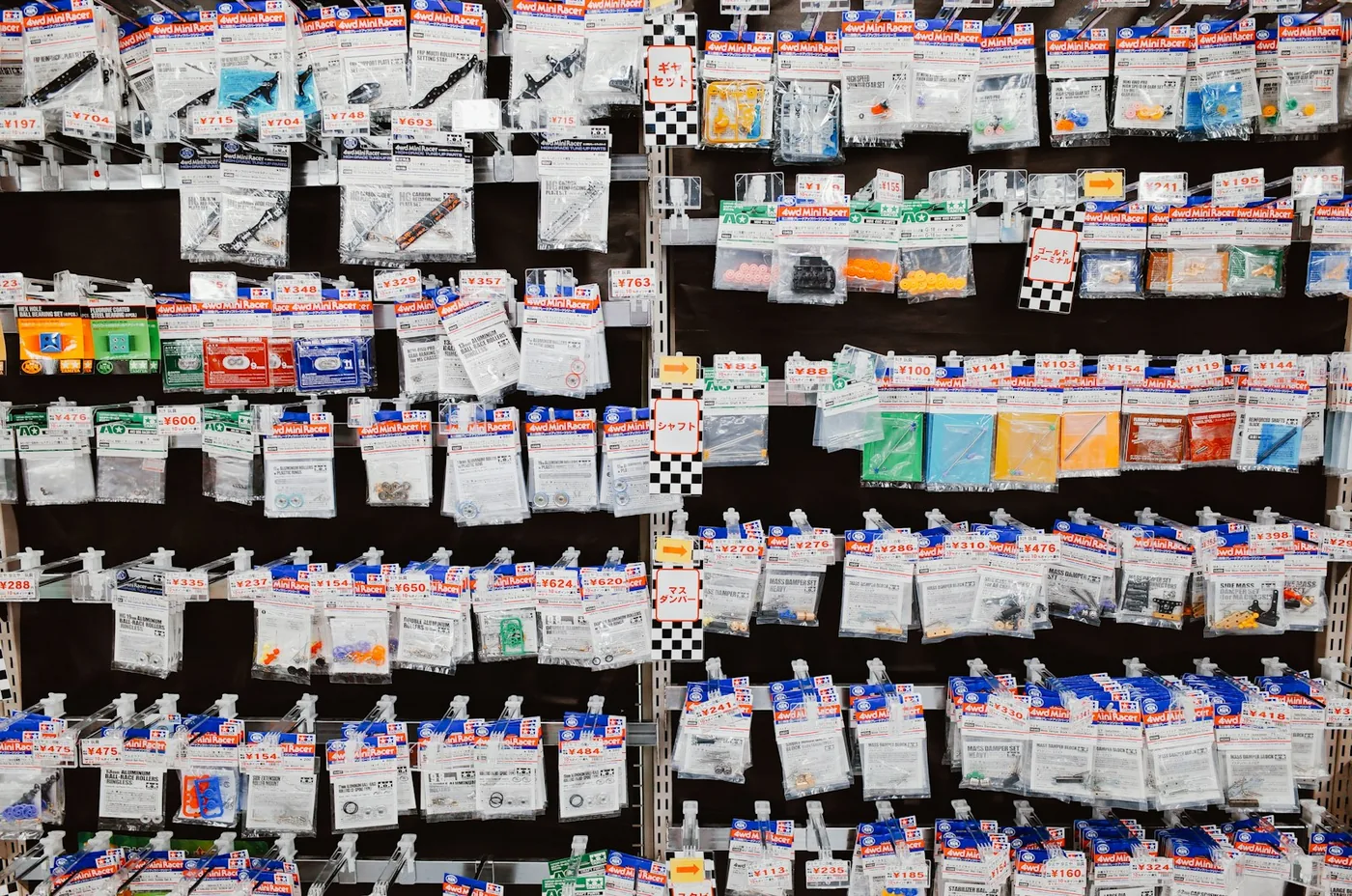
The 4Mini machines sit across both countries, which is why they are the hardest class to buy for from a distance. We keep dedicated pages for the Monkey, the Dax and the KSR110, and we make some parts for the first two under our own name in Thailand. The rest of the range is listed on the model index.
Because we hold both routes, one enquiry can be answered across both. Where an order draws on Japan and Thailand at once we say so when we quote.
Frequently asked questions
Do you only supply parts that were made in Japan?
No. We supply parts for Japanese marques, sourced wherever the correct part for your machine actually is. For a Thai-built model that means a Thai source, and for a Japanese-market model it usually means a Japanese one.
Will an order drawn from both countries arrive as one parcel?
Not always, and we tell you which way it is going before you commit. Goods leave from the supply source, so a mixed order can travel as two consignments. Our guides to postal despatch and courier despatch cover the methods themselves.
How do I find out which market version I have?
The frame number. Send it with a photograph of the machine and, where the part is already off the bike, a photograph of the part beside a ruler. Identifying parts from photographs describes what makes a useful picture.
Ask us to price a Japanese part
Tell us the machine, the frame number, what you want and how many, and the country it is going to. We reply by email with a price in Thai Baht on a CIF basis, which is the goods plus carriage to you, so the destination is part of the question rather than an afterthought. Nothing here is sold from a live catalogue, and that is deliberate.
Send it through the quote request form. The full order policy, including payment and the returns position, is on the how to order page, and the contact page has our opening hours if you would rather write directly.