
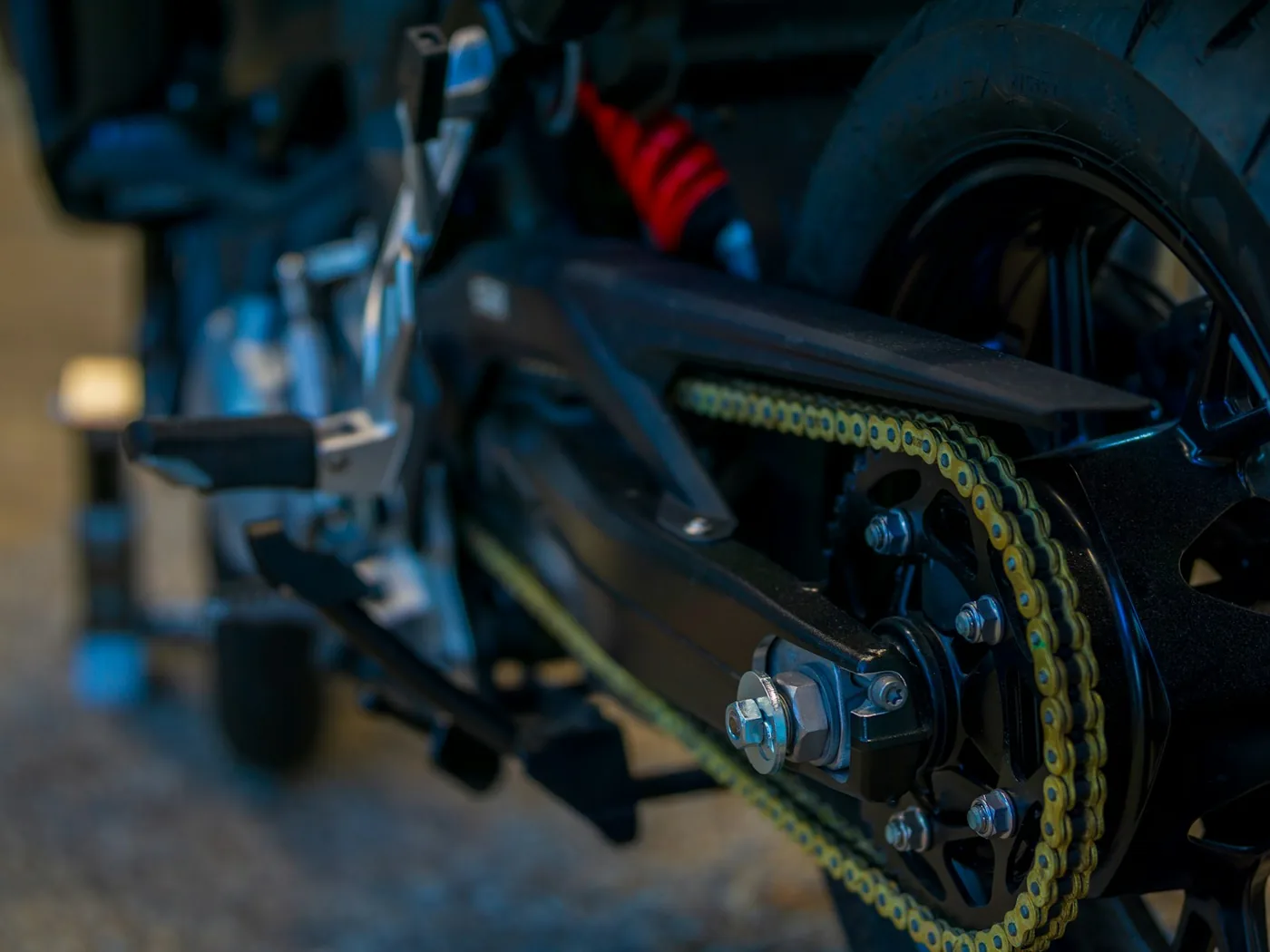
Kawasaki Ninja 250R parts are harder to order than the model’s popularity suggests, because seven different motorcycles have worn the name. We source genuine Kawasaki components and Japanese special parts from a shop in Ladprao, Bangkok, and quote by email.
The Kawasaki Ninja 250R parts we supply
We work from three supply routes at once. Genuine Kawasaki components come through the factory parts system in Japan. Special parts come from the Japanese tuning and accessory houses, and a third group comes through the Thai trade, which matters more for this model than for most.
Nothing here is sold from a live catalogue. You tell us the machine and the part, we check the source, and we come back by email with availability and a price in Thai Baht. The order policy sets out the whole sequence, and the model index lists the other machines we cover.
If you already know what you want, the fastest route is a quote request for Ninja 250R parts. If you are not sure what the part is called, describe it and send a photograph.
Which Ninja 250R do you have?
Every parts retailer asks for a year. For this model the year on its own is not enough, because the same year can be a different motorcycle in a different market. What the manufacturer’s catalogue actually goes by is the model code, and the codes below describe machines that share a name and not much else.
| Model code | Years | Sold as, and where | Fuelling | What it changes when you order |
|---|---|---|---|---|
| EX250-E | 1986 to 1987 | Ninja 250R in North America, GPZ-250R elsewhere | Carburettor | Shares very little with the later bikes |
| EX250-F, -G and -H | 1988 to 2007 | -F in North America, -G in Japan only, -H in Canada and later worldwide as the ZZR-250 | Carburettor, with injection in some -H markets | The longest-lived generation, and the one where the badge tells you least |
| EX250-J | 2008 to 2012 | Worldwide, and built in Thailand | Carburettor in the US, Canada and Australia; fuel injection in Europe and Thailand | The market decides the fuel system, not the year |
| EX250-L and -M | 2013 to 2017 | Replaced by the Ninja 300 in several markets | Carburettor or injection depending on market | Optional ABS changes the whole braking group |
| EX250-P | 2018 onward | Sold as the Ninja 250, without the R | Fuel injection | A trellis frame and a different parts range altogether |
That mapping is drawn from the published Ninja 250R model history. We use it to work out which catalogue applies, not to promise fitment.
If you cannot find a model code on the machine, send the frame number instead. It is the one identifier that has not been swapped, repainted or re-badged.
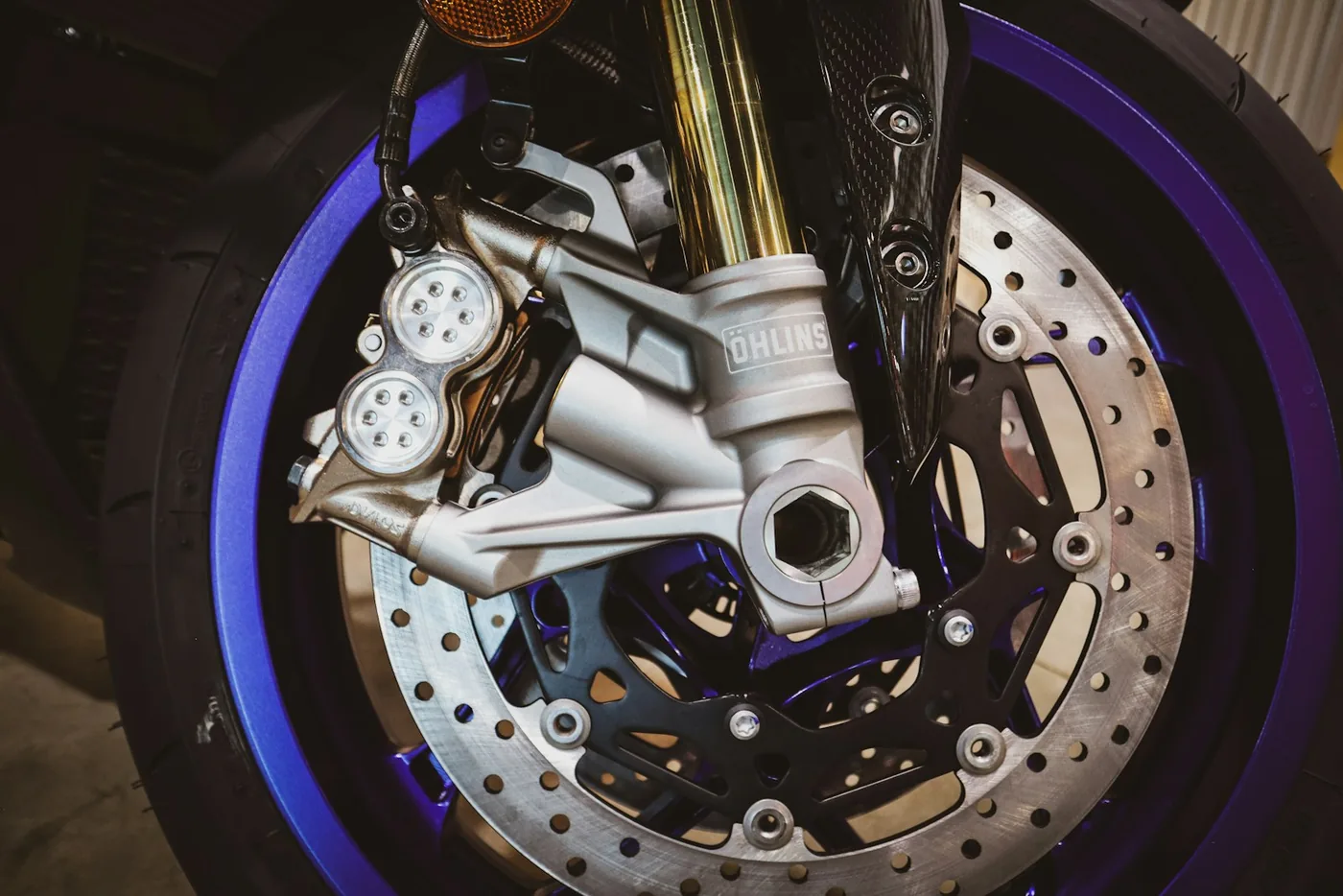
Genuine Kawasaki parts from Japan
Genuine components are ordered against the manufacturer’s own catalogue. Where the part is not backordered at the factory, a genuine part from Japan is normally available in about four working days, and the shipping time is added on top of that. Postal EMS runs about four to seven days, and postal air parcel about two weeks where EMS does not reach.
The genuine and special parts from Japan page explains what the Japanese supply route covers and lists the brands that sit alongside it. Total time to your door is availability plus shipping, so both halves matter.
Check your own country first. Kawasaki publishes a global distributor directory covering seven regions, Japan and Thailand among them. When that route comes up empty, which is common for a model out of production, we are the alternative rather than the first call.
The Thailand-built EX250-J and Thai-market parts
The 2008 to 2012 EX250-J was assembled in Thailand. That is not trivia when you are ordering: it is the reason a shop in Bangkok can sometimes reach a part for this generation that a Western dealer records as unavailable.
Market variance bites in predictable places. Fuelling is the obvious one: a fuel-system category built for a US bike is the wrong category for a Thai or European one. Bodywork, decals, lighting and fasteners come next, and owners report that Thai-market bikes went without sound-deadening foam fitted elsewhere.
Tell us the market the bike was sold in as well as the year. If you do not know it, the frame number does, and our shop background explains why we ask rather than guess.
Genuine, special or Thai-market: choosing the route
Most shops sell one route only, so nobody helps you pick between them. This is how we decide, and each route needs something different from you.
| Route | What you get | When it is the right call | What we need from you |
|---|---|---|---|
| Genuine Kawasaki | Factory components from the manufacturer’s catalogue | Service parts, electrical parts, bodywork, anything that must match | A part number, or the part name with your frame number |
| Japanese special parts | Items from the Japanese tuning and accessory brands | Exhaust work, rearsets, suspension, cosmetic changes | The brand and its own product number |
| Thai-market parts | Components reached through the Thai trade | Consumables and parts for a machine built in Thailand | The part name with your frame number |
This shop has supplied stainless exhaust systems with carbon cans, adjustable rearsets, shock absorbers and stainless stands for the model. Treat that as the shape of what we can reach rather than a stock list.
Riders working on our other sports models often ask about the same categories. The Honda CBR250R and Honda CBR150R hubs cover comparable ground, and the Kawasaki KSR110 hub is the other Kawasaki we supply from Thailand.
Frequently asked questions
Are Ninja 300 parts interchangeable with a Ninja 250R?
Owners have been crowd-sourcing interchange lists on the forums for years, and those lists disagree with one another. We do not publish interchangeability claims of our own. We quote what the manufacturer’s catalogue lists against your machine, and if you want to try a part from another model we quote it as that part rather than as a Ninja 250R part.
Is a 2010 Ninja 250R carburetted or fuel injected?
That depends on where the motorcycle was sold rather than on the year it was built. Models sold in the US, Canada and Australia were carburetted, while European and Thai machines were fuel injected. Your frame number settles the question, which is the main reason we ask for it before quoting anything on the fuel system.
Can parts still be got for a model that is out of production?
Some can and some cannot, and the honest answer differs part by part. Availability is decided by the manufacturer’s stock and by which regional catalogue your machine belongs to, so a part your local dealer records as unavailable may be an ordinary item in Japan or Thailand. We check the source before we quote, and we say so plainly when the answer is no.
Ask for a quotation
Send us the part number if you have one. If you do not, send the part name together with your frame number, the destination country and how many you need. A photograph of the part, or of where it fits, settles an identification faster than a description usually does.
Start a Ninja 250R parts enquiry, or open one by category for bodywork and fairings, braking parts, engine and performance parts or genuine replacement parts. You can also reach us through the contact page if you would rather describe the job in your own words.
One rule worth reading before you commit rather than after: once an order has shipped we cannot take it back except for a manufacturer’s fault, and parts cannot be returned to Thailand at all.