
Motorcycle clutch parts are sold almost everywhere on the assumption that there is a lever on the left handlebar and a pack of plates behind the cover. A large share of the machines we supply do not work that way at all, and ordering for the wrong architecture is the commonest expensive mistake in this category.
Two different things are sold as motorcycle clutch parts
One is the manual clutch everybody pictures: alternating friction and steel plates, a basket, an inner hub, a stack of springs, and a lever pulling on a cable or a hydraulic line. The other is an automatic centrifugal clutch, which engages by engine speed and has no lever anywhere on the bike. Plenty of the small Hondas we deal with carry a centrifugal unit alongside a separate shift clutch, so there are effectively two clutches in one engine.
Nothing that ranks for this subject accounts for that. Ask a general catalogue for plates and it offers a pack for a lever-operated machine, which is no use to somebody whose left bar is empty. This page sits under our parts index to get that sorted before anybody spends money.
Which clutch have you actually got
The table sorts machines by architecture rather than by model name. Each row is described as a category, because naming which clutch a given model carries would be a specification claim and this shop does not publish those without a source. The last column is much the same in every row for a reason.
| Clutch type | Where you meet it | What wears or fails | What an upgrade usually means | What we need to price it |
|---|---|---|---|---|
| Automatic centrifugal, with a separate shift clutch | Much of the classic small-Honda family | Centrifugal shoes and springs; the shift-clutch plates behind them | Heavier springs, or conversion to manual operation | Frame number, and whether there is a lever at all |
| Manual multi-plate, cable operated | Machines with a lever and a cable running to the cover | Friction plates, steels, springs, basket wear, and the cable itself | Friction material and spring rate, sometimes the basket | Frame number, and which engine is fitted |
| Manual multi-plate, hydraulically operated | The larger machines in the range | Plates, springs, master and slave cylinder, and the fluid | Plates and springs, usually nothing further | Frame number |
| Converted from automatic to manual | Machines somebody has already modified | Whatever the conversion introduced | Depends entirely on the conversion used | Photographs of the side cover and the lever |
| Any of the above behind a tuned engine | Big-bore and cam builds | Slip under load, long before anything breaks | Spring rate first, friction material second | What is already fitted, and what the bike is for |
What wears, and what merely slips
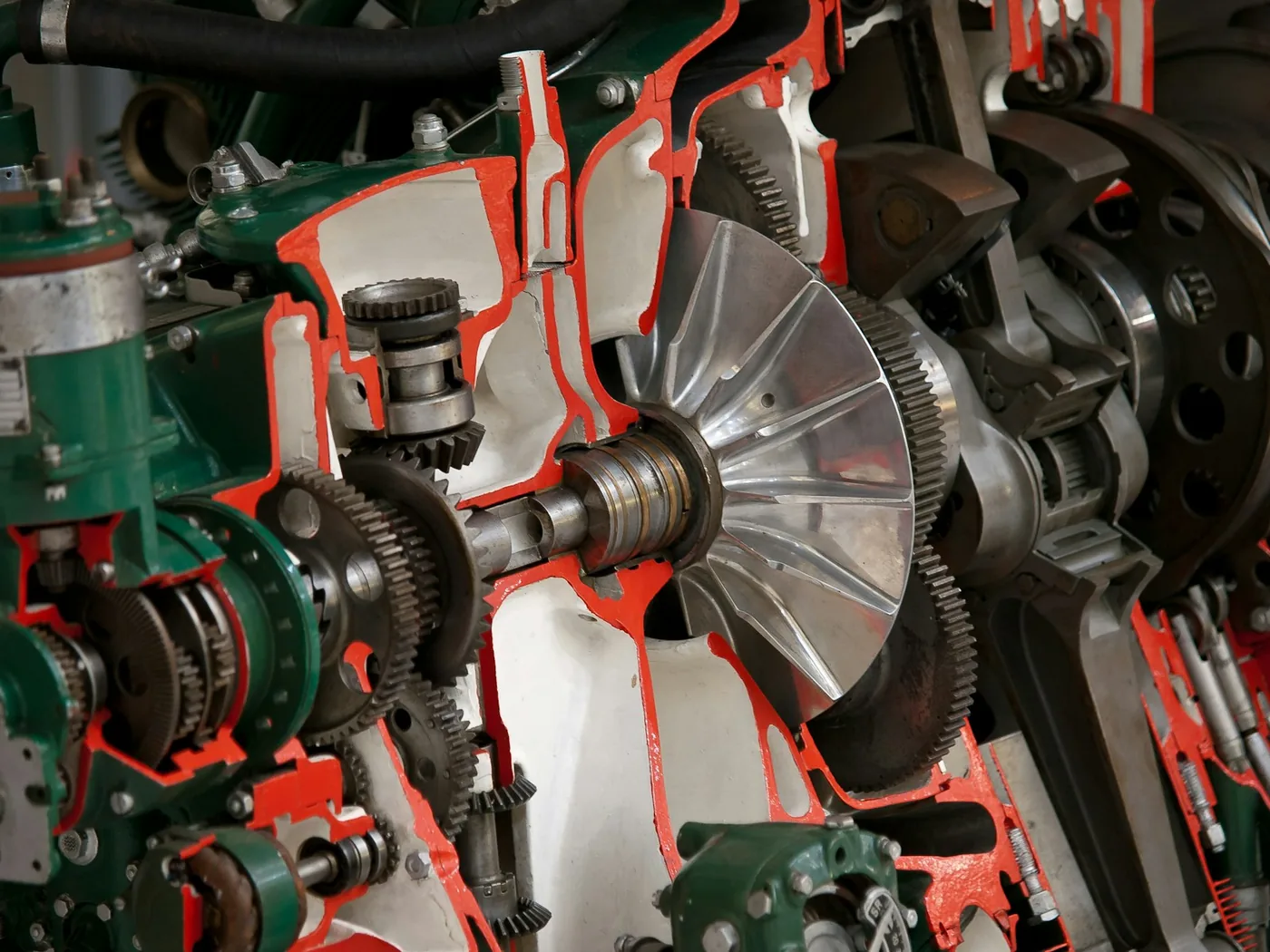
These are not the same problem and do not take the same parts. A worn clutch has done its miles: friction material thinned, steels heat-marked, springs settled, and in bad cases the basket notched where the plate lugs have hammered into it. A slipping clutch may be none of those things.
Slip appearing shortly after an engine has been opened up is usually a healthy clutch being asked to hold more than it was built to hold. New plates change very little, because the plates were not the problem. On the centrifugal side, worn shoes and tired springs show up as an engine that will not take up drive cleanly, or creeps when it should be still.
The cable and lifter side is worth a look before anything is ordered. A stiff cable, free play wrongly set, or a worn lifter cam produces drag and poor disengagement that feel exactly like a worn pack. They are frequently the actual fault.
The oil is part of the clutch
On a wet clutch, the same oil that lubricates the engine runs between the friction surfaces. That makes the oil a functional component of the clutch rather than a consumable that happens to be nearby, and it is why such a machine and a car engine do not take the same product.
Japan treats this as its own engineering question. The Japanese Automotive Lubricant Standardization and Approval System publishes JASO T 903, a standard headed “Motorcycles — four-stroke cycle gasoline engine oils”, which exists as a separate motorcycle document rather than as part of a car specification. We point at the existence and scope of that standard, not its contents, and we do not tell anyone which oil to use. If a clutch began slipping after an oil change and nothing else was touched, that is where a sensible person looks first.
Automatic to manual, and clutch to gearbox
Converting an automatic machine to a manual clutch is the most discussed modification in this corner of the hobby, and it is a set of parts rather than a part. It reaches the lifter mechanism inside the cover, the free-play adjustment, the components that operate it, and often the cover itself. We will not publish a conversion parts list, because the honest answer varies with the engine in front of us.
It is rarely only a clutch conversation, either. The manual-clutch machines and the multi-speed gearboxes largely belong to the same population, so a rider asking about clutch operation is usually asking about the transmission too. The Honda Monkey page and the Dax page cover what has been made for those two machines.
Questions people send us about clutches
My engine is built and the clutch slips. What do I order?
Tell us what went into the engine first, because the clutch here is the symptom rather than the cause. Spring rate is normally where the answer starts and friction material where it continues, but the order of work depends on what the engine now produces. If the build is still being planned, the dependencies are set out on our camshaft upgrades page.
Can I just order a set of plates for my model?
Only once we know the architecture, and for the older families that is not answerable from the model name. Send the frame number and say whether a lever is fitted. If a previous owner modified the bike, photographs beat anything you can write down.
Do six-volt machines need different clutch parts?
The operating side can differ. Our archive records that six-volt machines take their own clutch and throttle cables, which is a generation difference rather than an electrical one despite how it sounds. It is one more reason the frame number comes before the shopping list.
Sending us enough to price a clutch
A number lifted from a fiche is the shortest route, if you have one. Failing that, write out the name of the item, the frame number of the machine, the country it is being posted to, and the quantity you want. Say whether there is a lever on the left bar, and attach a photograph of the clutch-side cover: between them those two details resolve most of the table above with no further exchange.
All of it goes through the drivetrain section of our quote form. We establish what can be obtained from Thailand or Japan and answer by email, in Thai Baht, on a CIF basis. Nothing travels back to Thailand after despatch unless the manufacturer is at fault, which is one more reason to settle which clutch you have before anything is ordered.
If you are unsure of any of it, send what you have and describe the rest in plain words. We would far rather ask two follow-up questions than quote for the wrong clutch.